Foodie Pundit

How Social Media Trends Are Reshaping the Commercial Pastry Industry

Visual social media trends are transforming how retail bakeries design, price, and produce specialty pastries.

By Foodie Pundit Newsroom - Published - Updated - Section: Desserts Snacks
How Social Media Trends Are Reshaping the Commercial Pastry Industry

Key points

  • Bakeries are engineering pastries for visual social media appeal to drive immediate localized demand.
  • Complex layered pastries demand specialized labor, precise climate controls, and stable ingredient inputs.
  • Higher price points on trend driven sweets help operators offset rising labor and raw commodity costs.
  • Successful businesses use viral items as customer acquisition tools while maintaining profitability on core staples.

THE SOCIAL MEDIA ENGINE DRIVING CONFECTIONERY INNOVATION

The global pastry market is experiencing a structural shift driven by visual social platforms and changing consumer preferences. Independent bakeries and commercial pastry kitchens are redesigning menu items specifically to capture online engagement. Reporting from Bake Magazine highlights how dramatic visual appeal, contrasting textures, and unexpected flavor combinations have become central to commercial baking strategy.

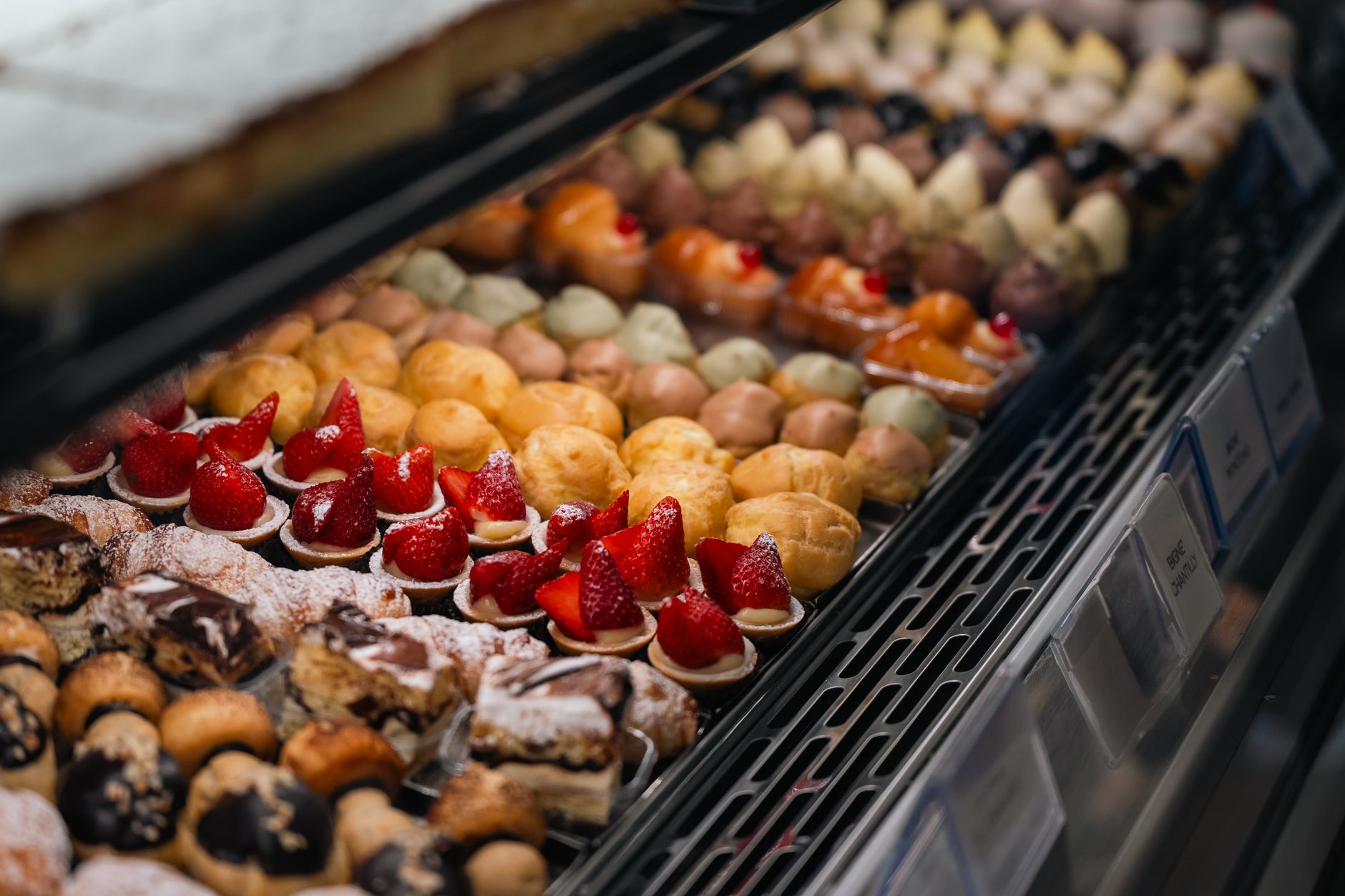
This design philosophy requires bakers to consider how a product looks when cut open, how glaze reflects under smartphone lighting, and how portable the item is for street side consumption. As traditional foot traffic patterns change, a viral social media post can generate immediate, localized demand that far exceeds standard daily production capacities.

Bakers are responding by investing in specialized ingredients and technical equipment designed to achieve exaggerated visual effects. High percentage butter, custom geometric molds, and vibrant natural colorants are seeing increased wholesale demand across the sector. These raw input investments allow kitchens to justify premium price points that support higher operating margins.

OPERATIONAL CHALLENGES BEHIND HIGH VISIBILITY DESSERTS

While visually dramatic pastries generate high customer interest, they present distinct operational hurdles for kitchen staff. Multi layered laminated doughs and intricate chocolate work require precise ambient temperature controls and skilled labor. Scaling these complex recipes for daily production often strains labor budgets and limits total output capacity.

Supply chain predictability also becomes a factor when specific viral ingredients experience sudden demand spikes. A sudden surge in popularity for pistachio paste, specific botanical extracts, or rare fruit purees can lead to localized shortages and price volatility. Bakery managers must balance the flexibility of limited time offerings with long term ingredient supplier agreements.

Waste management is another operational consideration when producing high concept items. Intricate assemblies often result in higher trim waste during prep, forcing chefs to develop secondary menu items to utilize excess dough and fillings. Successful operators construct balanced product lines where high labor items are offset by simpler, lower cost staple goods.

RETHINKING FLAVOR PROFILES AND TEXTURAL CONTRAST

Modern consumers expect pastry innovations to offer more than just visual appeal once purchased. Flavor profiles are shifting away from intense sweetness toward complex, balanced experiences that feature salt, acid, and bitter notes. Asian inspired ingredients such as black sesame, match, and salted egg yolk continue to gain traction in Western retail bakeries.

Textural interplay has become equally critical to product design. Kitchens are pairing hyper flaky exteriors with silky creams, crunchy pralines, and liquid centers to create a dynamic eating experience. This emphasis on texture requires technical precision, as moisture migration between layers can ruin the integrity of a pastry within hours of assembly.

To maintain structural integrity during display and transport, formulators are exploring novel hydrocolloids and fat systems. These ingredients help creams remain stable at room temperature without compromising mouthfeel. The result is a generation of pastries built to endure both extended photography sessions and transit.

THE ECONOMICS OF SPECIALTY DESSERT PRICING

The introduction of complex, high concept pastries has altered consumer price expectations in the retail bakery segment. Customers are increasingly willing to pay premium prices for individual items that are perceived as accessible luxuries or experiential purchases. This price tolerance provides relief to operators facing elevated costs for butter, flour, and specialized labor.

However, relying heavily on trend driven items carries clear financial risks. Consumer attention spans on digital platforms are short, and individual product lifecycles can be fleeting. Bakeries that invest heavily in specialized tooling or marketing for a single trend risk inventory write offs when consumer interest shifts toward the next viral phenomenon.

Strategic operators mitigate this volatility by using viral concepts as customer acquisition tools rather than core revenue anchors. A high profile seasonal item drives foot traffic into the store, where customers then purchase high margin staple products like drip coffee, classic loaves, and simple cookies. This hybrid retail strategy balances innovation with operational stability.

For bakery operators and culinary entrepreneurs, the rise of visually driven dessert trends highlights the importance of integrating product development with digital marketing strategy. Designing pastries for visual impact can lower customer acquisition costs and drive immediate foot traffic, but long term profitability requires strict cost controls and labor efficiency in the kitchen.

For industry investors and commercial suppliers, these shifts indicate sustained demand for premium ingredients, specialized dough processing machinery, and temperature controlled display units. Suppliers that offer reliable access to high quality fats, natural colorants, and stable filling systems are well positioned to serve an evolving retail bakery landscape.

For general consumers, this trend means continued access to highly creative, premium baked goods in local markets. While prices for specialty pastries will remain elevated due to labor and ingredient costs, competition among independent bakeries will continue to elevate the quality, texture, and flavor standards across the entire retail dessert category.

Sources and methodology

Reported from the public datasets below.

All sources Foodie Pundit reports from

More from the Foodie Pundit Newsroom

Permalink