How Social Media Trends Are Rewriting Culinary Economics and Upending Traditional Dining Authority
Short video platforms are reshaping consumer dining habits and disrupting traditional culinary authority as home recipes achieve global fame overnight.
By Foodie Pundit Newsroom - Published - Section: Restaurants
Key points
- Viral recipe trends are bypassing traditional food rating systems like Michelin guides to shape consumer taste.
- Rapid spikes in social media popularity cause severe supply chain disruptions and localized ingredient inflation.
- Restaurants are forced to accelerate their menu development cycles to capture transient digital hype.
- Digital platforms have democratized food culture while shifting market power from elite chefs to casual home cooks.
VIRAL RECIPES CHALLENGE TRADITIONAL DINING METRICS
The global restaurant industry is witnessing a structural shift in how consumer dining preferences are established. For decades, legacy rating systems such as the Michelin Guide and the James Beard Foundation held absolute authority over culinary trends and consumer spending habits. Recent reporting by TODAY highlights how short-form video platforms have completely bypassed these traditional gatekeepers, elevating simple home cooked recipes to world renowned status in a matter of days.
The phenomenon of viral social media recipes is no longer just a digital curiosity for casual home cooks. It represents a massive migration of consumer influence away from classic dining institutions toward algorithmic discovery platforms. When a single pasta concept garners hundreds of millions of impressions, it creates immediate downstream economic effects for grocery supply chains, casual dining menus, and independent restaurant operators worldwide.
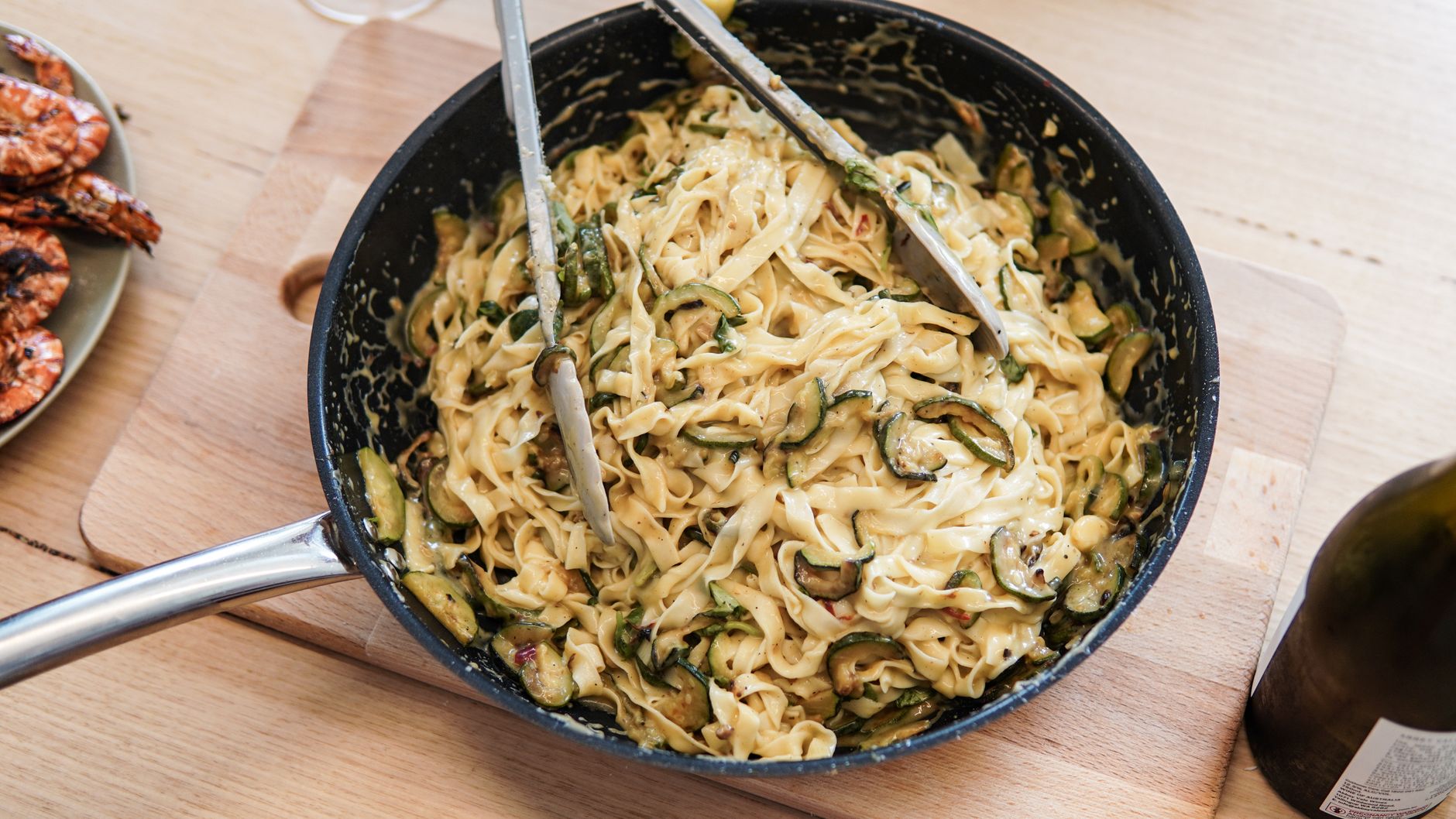
The explosive popularity of viral pasta dishes relies on a specific set of culinary and visual parameters designed for high digital engagement. Successful concepts generally feature low barriers to entry, visual transformations during cooking, and readily available pantry ingredients. Creamy textures, bright colors, and auditory elements like sizzling fat or boiling water perform exceptionally well within short video feeds.
These digital attributes translate into immediate real world behavior as consumers replicate the dishes in their own kitchens. According to data tracked by industry analysts, ingredients featured in top trending video recipes routinely experience sudden national supply shortages. Cream cheeses, specific short pasta shapes, and specialty produce items often see retail demand spikes ranging from thirty percent to over two hundred percent within forty eight hours of a video going viral.
For professional kitchen operators, the rapid rise of internet famous dishes presents both a logistical challenge and a commercial opportunity. Traditional menu development cycles at midscale and fine dining establishments typically require several months of testing, costing, and supplier negotiations. Viral food trends move far too quickly for standard corporate culinary timelines, forcing operators to develop agile guest specials to capitalize on transient consumer interest.
Independent restaurateurs have proven particularly adept at integrating viral food concepts into their daily operations. By introducing limited time menu additions inspired by social media trends, operators can drive immediate foot traffic without committing to permanent menu revisions. This responsiveness allows venues to capture high margin sales while remaining relevant to younger demographics who prioritize shareable, trendy food experiences.
The supply chain implications of viral recipe trends extend far beyond consumer excitement. Commercial distributors and restaurant procurement teams are increasingly forced to monitor digital media platforms to anticipate localized ingredient shortages. When a specific pasta recipe sweeps across social media feeds, regional wholesalers frequently see their inventory depleted by retail shoppers before commercial accounts can secure their standard weekly allocations.
This volatility hits small food businesses especially hard, as independent restaurants rarely possess the contract leverage of large national chains. When wholesale prices for core staples like feta cheese or heavy cream spike due to consumer hype, small venues must either absorb the cost increase or pass it along to consumers via higher menu pricing. Consequently, digital media trends are directly driving localized menu inflation across the broader foodservice sector.
The rapid rise of user generated recipes has sparked an intense debate among industry professionals regarding the future of culinary standards. Traditionalists argue that algorithmic popularity incentivizes visual spectacle and heavy, salt laden flavor profiles over classical technique and subtle balance. They point out that dishes optimized for phone screens do not necessarily translate to memorable, high quality dining experiences.
Conversely, proponents argue that social platforms have successfully democratized the food industry by dismantling elitist barriers. In this view, viral recipes allow millions of home cooks to engage directly with food culture without needing expensive culinary educations or reservations at costly tasting menu venues. The market effectively votes with views, likes, and grocery store purchases, signaling a permanent realignment of how value is defined in contemporary gastronomy.
The democratization of food trends through digital media ultimately puts greater control directly into your hands as a consumer. You no longer need to rely exclusively on costly guidebooks or formal restaurant critics to discover exciting, highly rated flavor profiles. However, this shift also means that grocery store availability and retail ingredient prices will remain unpredictable whenever a new culinary concept takes over social feeds.
To navigate this evolving environment effectively, consider remaining flexible with your household meal planning and dining choices. If a featured ingredient becomes scarce or overpriced due to internet hype, look for alternative pasta shapes or dairy substitutes rather than paying inflated retail markups. Furthermore, support local independent restaurants that creatively adapt these digital trends onto their menus, as your patronage helps them offset the supply chain friction created by modern viral media.
Sources and methodology
Reported from the public datasets below.
More from the Foodie Pundit Newsroom
- Grocery Checkout Totals Remain Elevated as Supply Chain Pressures Maintain Upward Curve
- Taco Bell Launches Premium Cantina Chicken Lineup Nationwide
- Taco Bell Elevates Menu Strategy With Launch of Nationwide Cantina Chicken Platform
- McDonalds Overhauls Core Burger Operations to Boost Quality of Iconic Big Mac
- McDonalds Revives McRib as Fast Food Chains Battle for Cost Conscious Diners