Girl dinner changed everything for restaurants and grocery stores
Social media grazing habits are reshaping restaurant menus, grocery shelves, and consumer spending patterns across the country.
By Foodie Pundit Newsroom - Published - Updated - Section: Grocery Cpg
Key points
- The viral snack-plate trend reflects a broader economic shift toward low-prep, flexible dining choices.
- Restaurants are boosting profit margins by expanding small-plate menus and customizable grazing options.
- Grocery retailers are capitalizing on the trend through curated displays and pre-packaged specialty items.
- Snackification allows consumers to access premium ingredients at a lower total cost than full entrees.
The internet phenomenon known as girl dinner has evolved from a playful social media joke into a significant consumer behavior shift. What started as a viral video showing a haphazard plate of snacks has morphed into a recognizable dining format that restaurants and food manufacturers are actively studying. Recent reporting by NBC News highlights how this trend continues to exert a surprisingly strong pull over food service operations and retail marketing strategies long after its initial online peak.
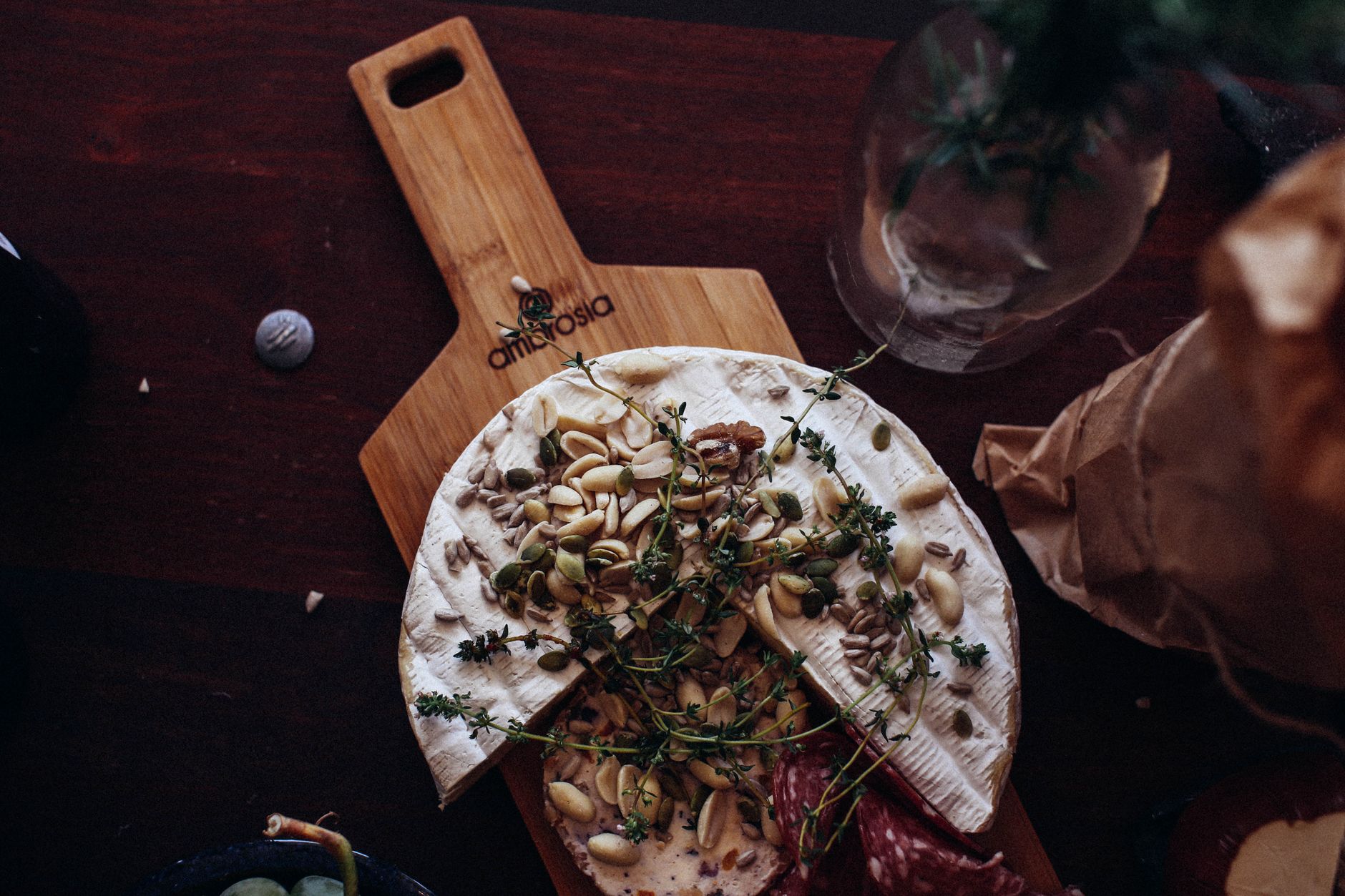
At its core, the concept involves assembling a meal from small portions of ready-to-eat items, such as cheeses, cured meats, fruits, nuts, pickles, and leftover bread. Rather than cooking a single cohesive main dish with traditional sides, diners curate a personalized, low-effort plate that prioritizes convenience and sensory variety. Industry analysts note that while the terminology originated on short-form video platforms, the underlying consumption pattern mirrors classic European tapas, mezze, or traditional charcuterie boards, rebranded for a generation seeking friction-free dining.
The ongoing popularity of these snack-based meals reflects a broader structural change in how Americans approach dining. Market research indicates that traditional three-meal-a-day schedules are increasingly giving way to continuous snackification throughout the day. Busy work schedules, remote work flexibility, and rising living costs have driven consumers toward lighter, lower-cost, and less time-intensive eating occasions.
For many consumers, assembling a plate of high-quality snack foods serves as an affordable luxury. It allows individuals to enjoy premium ingredients, like imported cheeses or artisanal crackers, without committing to the higher cost of a full restaurant entree or a long grocery list. The low barrier to entry and minimal preparation time make this style of eating particularly appealing on busy weeknights when cooking from scratch feels unmanageable.
Recognizing the commercial potential, restaurant operators have begun tailoring their menus to capture this demand. Establishments across the country are expanding their small-plates offerings, creating customizable grazing boards, and explicitly labeling menu items to appeal to fans of the trend. Some fast-casual chains have launched promotional meal combinations that bundle side items, dips, and finger foods together under names inspired by the social media phenomenon.
By leaning into this format, operators can achieve higher profit margins while catering to changing guest preferences. Small-plate menus often feature lower ingredient costs and require less kitchen labor than complex, hot entrees. Furthermore, these offerings encourage sharing and social interaction, which can drive up average check sizes as groups order multiple small dishes alongside profitable beverages and cocktails.
The packaged food sector has been equally quick to leverage the momentum. Consumer packaged goods companies are redesigning product packaging and retail displays to focus on snack combinations and grazing concepts. Supermarkets are increasingly featuring pre-portioned charcuterie packs, specialty dips, and curated snack trays in high-visibility endcap displays to capture impulse purchases from shoppers seeking quick evening meal solutions.
Data from retail tracking firms shows increased sales volume across several categories tied directly to this dining style, including specialty cheeses, shelf-stable cured meats, preserved vegetables, and gourmet crackers. Grocers are effectively using these curated displays to cross-sell products from different departments, boosting overall basket size and introducing customers to higher-margin specialty items.
Beyond convenience and economics, experts point to psychological factors driving the sustained interest in this casual dining style. Food psychologists suggest that the intuitive, low-pressure nature of assembling a snack plate offers a welcome sense of agency and comfort. Diners can satisfy specific cravings without adhering to rigid rules about what constitutes a proper or balanced dinner, reducing mealtime stress.
From a nutritional perspective, health professionals note that snack-based dinners can be entirely wholesome, provided consumers incorporate a balanced mix of proteins, complex carbohydrates, and fresh produce. While critics occasionally voice concerns about high sodium content in processed meats and cheeses, dietitians emphasize that the versatility of the format allows individuals to easily adjust their plates to meet specific dietary requirements and nutritional goals.
For the everyday consumer, the lasting power of this dining trend means more flexibility and better options both at home and when eating out. Restaurants will likely continue expanding their offerings of small plates, grazing platters, and customizable appetizer combinations, giving guests more control over portion sizes and total spending. If you enjoy lighter, variety-focused meals, you can expect menu pricing structures that make ordering several small items more accessible and cost-effective.
At the grocery store, shoppers can anticipate a wider array of high-quality snack combinations, pre-portioned specialty foods, and convenient grazing items designed for rapid home assembly. Leveraging these products can help reduce food waste, lower evening prep time, and keep food costs under control during busy workweeks. Ultimately, the validation of casual, snack-focused meals empowers diners to prioritize ease and personal preference over traditional meal structures without feeling like they are sacrificing quality.
Sources and methodology
Reported from the public datasets below.