How the Viral Girl Dinner Trend Reshaped Modern Dining and Restaurant Economics
What started as a lighthearted viral video has evolved into a durable shift in consumer dining preferences and restaurant menu strategy.
By Foodie Pundit Newsroom - Published - Section: Social Virality
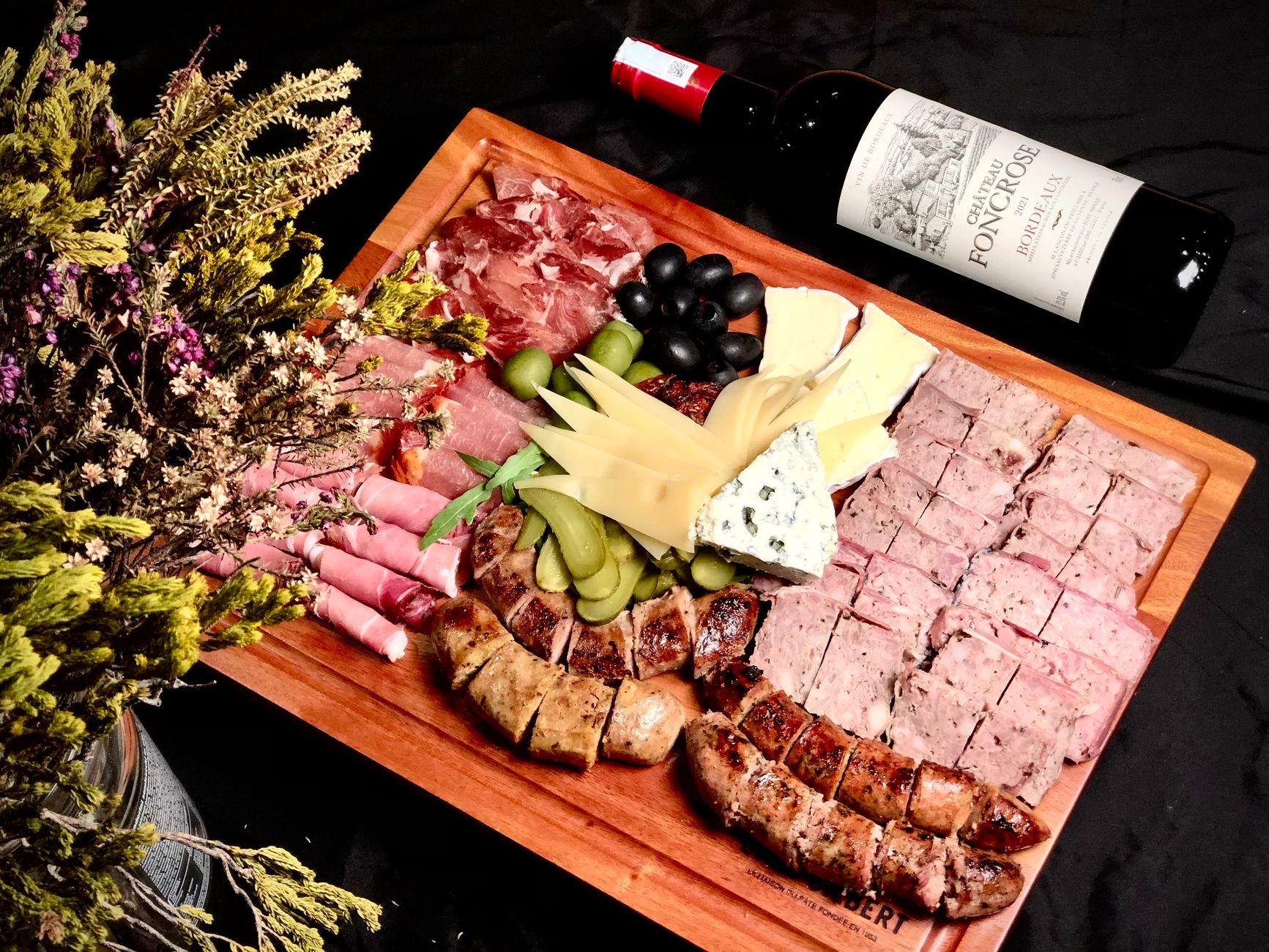
Key points
- The trend began as a viral social media joke depicting simple pantry spreads but quickly evolved into an enduring cultural dining preference.
- Grocery stores and restaurant operators have capitalized on the shift by expanding inventory and menu offerings for charcuterie, tinned fish, and small plates.
- Despite early nutritional critiques regarding caloric intake, supporters celebrate the format as a practical rejection of traditional cooking labor and dietary perfectionism.
- The trend reflects broader economic shifts toward flexible dining, convenience, and reduced food prep time among busy workers.
What began as a playful video posted to social media has evolved into a persistent cultural milestone that continues to influence consumer habits across the food service sector. Girl dinner, a term coined to describe a casual meal assembled from disparate pantry items, snack foods, and small plates, has transcended its origins as a digital meme. Today, it reflects a broader shift in how individuals approach evening dining, prioritization of convenience, and the deconstruction of traditional meal formats.
The trend gained widespread traction after creator Olivia Maher shared a clip featuring a simple spread of bread, cheese, grapes, and wine, comparing it to medieval peasant fare. NBC News originally tracked the rapid spread of the phenomenon across short-form video platforms, where millions of users began documenting their own makeshift evening spreads. Rather than cooking a unified main course accompanied by formal sides, consumers were embracing assembled plates that required minimal preparation, zero culinary skill, and little to no cleanup.
While internet trends often dissipate within weeks, this specific dining concept maintained its momentum by tapping into existing shifts in lifestyle and labor. The modern worker faces increasing burnout, rising living costs, and reduced time for domestic labor. Assembling a collection of olives, sliced deli meats, leftover roasted vegetables, and crackers offers a low-stress alternative to hot cooking after a long workday. It reframes what might once have been viewed as lazy snacking into an intentional, self-soothing ritual.
The economic implications of this trend have extended far beyond household kitchens and into the broader retail and food service supply chains. Grocery retailers quickly noted shifts in purchasing patterns, with increased consumer interest in specialty cheeses, artisanal crackers, pre-packaged charcuterie, and upscale tinned fish. Tinned seafood in particular experienced a massive resurgence, propelled by young consumers seeking affordable, shelf-stable luxury products that require no cooking but feel sophisticated.
Food service operators and restaurant owners took notice of these shifting consumer preferences as well. Venues ranging from neighborhood wine bars to high-end dining establishments began adapting their menus to mirror the desire for unstructured, mix-and-match grazing options. Small plate programs, customized grazing boards, and expanded appetizer menus have increasingly replaced the standard three-course dinner model in modern dining rooms. Restaurant operators report that diners, particularly younger demographics, often prefer ordering several varied starters to share rather than committing to single, heavy entrées.
By offering flexible, bite-sized components, restaurants can achieve higher profit margins on items like preserved meats, pickles, and baked breads. These ingredients typically carry lower labor costs and extended shelf lives compared to fresh prime proteins. Furthermore, the format naturally encourages beverage pairings, as low-intervention wines, aperitifs, and creative mocktails fit seamlessly alongside casual, snack-focused plates. The dining experience becomes more social and less structured, appealing to consumers looking for an engaging night out without the temporal and financial commitment of formal dining.
Despite its overwhelming popularity, the phenomenon has not been without its share of public debate and nutritional scrutiny. Health professionals and dietitians interviewed in various media reports raised concerns regarding the adequacy of some social media displays. Certain viral posts depicted extremely low-calorie spreads consisting of little more than a handful of berries and a beverage, raising red flags regarding the potential glorification of disordered eating patterns or insufficient daily caloric intake.
In response to these critiques, proponents and cultural commentators defended the practice, emphasizing that the true essence of the movement lies in intuitive eating and stress reduction. When composed thoughtfully, a grazing plate can provide a diverse array of nutrients, incorporating complex carbohydrates, healthy fats, micro-nutrients, and lean protein sources. Supporters argue that the movement acts as a direct rejection of perfectionist cooking standards and restrictive diet cultures, allowing individuals to honor their hunger cues without feeling obligated to prepare a full, balanced meal from scratch every night.
The conversation around these informal spreads ultimately opened a broader dialogue regarding emotional labor in the kitchen. For generations, domestic expectations dictated that a valid dinner required a cooked protein, a starch, and a cooked vegetable served hot at a designated hour. The enduring success of this viral trend lies in its explicit permission to dismantle those traditional culinary norms, proving that nourishment can take many forms depending on an individual energy level and schedule.
For the average consumer, the lasting impact of this social media trend is the validation of low-effort, low-stress nourishment in daily life. You do not need to cook an elaborate hot meal every single evening to feed yourself well, nor should you feel guilt for relying on simple, assembled ingredients when your schedule or energy levels demand it. Mixing canned goods, fresh fruit, cheeses, and dips can create a satisfying meal that fits your personal lifestyle and budget.
From a dining perspective, expect to see your local restaurants and bars continue to lean into flexible menu design. You will likely encounter more menus featuring curated snack selections, build-your-own grazing options, and premium tinned seafood offerings. Whether you choose to dine out at a wine bar or assemble a plate from your own pantry, the industry has permanently expanded its definition of what constitutes a complete and acceptable evening meal.
Sources and methodology
Reported from the public datasets below.
More from the Foodie Pundit Newsroom
- The Unstoppable Rise Of Girl Dinner Highlights A Permanent Shift In Modern Eating Habits
- Beyond Butter Boards: How Digital Creators Are Shaping the Next Wave of Dining Trends
- Zero-Proof Boom Reaches Mainstream Dining as Brewers Perfect Alcohol-Free Formulas
- Century-Old Recipe Revival Highlights Shift Toward Budget Comfort Food
- Zero-Proof Brewing Boom Redefines Restaurant Beverage Programs