How Viral Summer Beverage Trends Are Driving Modern Restaurant Economics
Viral social media trends are reshaping beverage menus, driving ticket prices up, and testing restaurant supply chains across the country.
By Foodie Pundit Newsroom - Published - Section: Beverages
Key points
- Social media platforms now act as primary drivers for quick-service beverage innovation and seasonal consumer demand.
- Customized layered drinks significantly increase average order values for cafes while introducing operational complexity.
- Managing quick-turnaround inventory for viral ingredients presents ongoing logistical challenges for distributors.
- Consumer desire for accessible luxury and digital participation drives the popularity of aesthetic summer beverages.
Social media platforms have transformed from mere entertainment channels into primary drivers of consumer beverage trends. A single viral video can create instantaneous demand across national restaurant chains, independent coffee shops, and home kitchens. The recent surge in popularity surrounding custom summer beverages underscores how digital creators hold unprecedented influence over consumer purchasing habits.
As reported by TODAY. com, social media users are increasingly seeking out visually appealing, highly customizable drink recipes that evoke specific lifestyle aesthetics.
The phenomenon often referred to as the Summer Fridays drink concept represents a broader shift in consumer behavior. Modern consumers are no longer satisfied with standard menu offerings, choosing instead to personalize their orders with complex flavor syrups, alternative dairy options, and functional add-ins. This trend has forced beverage companies to reevaluate their product development pipelines and supply chain flexibility. Restaurant operators must now anticipate rapid shifts in demand driven by algorithmic recommendations rather than traditional seasonal marketing campaigns.
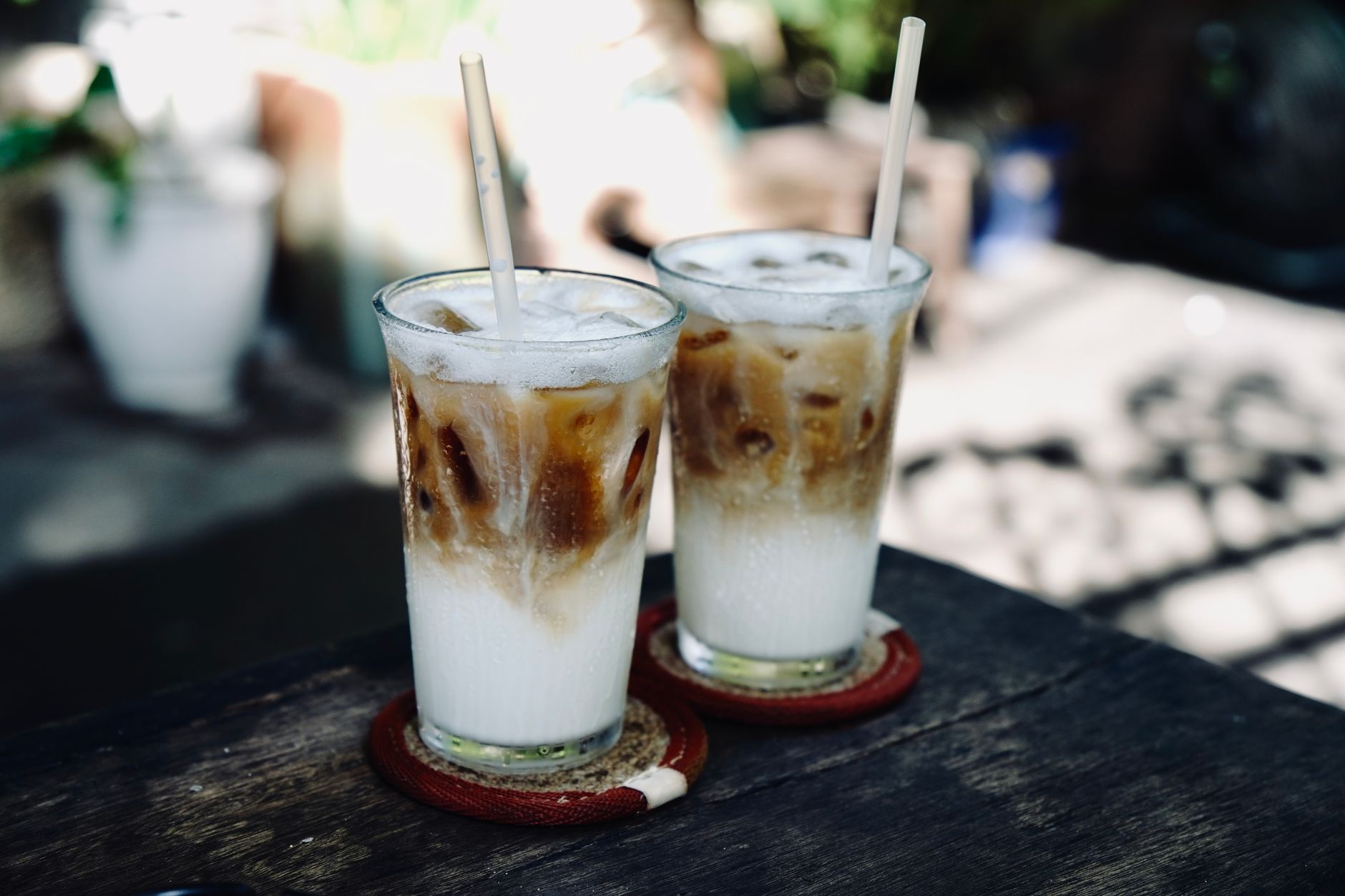
Behind the viral appeal of these customized beverages lies a carefully calculated blend of visual presentation and flavor complexity. Drinks featured prominently on video platforms typically share key characteristics, such as vibrant color gradients, distinct layering of ingredients, and oversized ice formations. These visual elements are engineered to perform well on smartphone screens, encouraging viewers to replicate the aesthetic experience themselves or request specific off-menu modifications at commercial establishments.
The financial implications of social media beverage trends are substantial for quick-service restaurants and specialty coffee operators. Customized drinks frequently carry significantly higher profit margins than standard hot coffee or plain iced tea. Extra syrup pumps, specialty cold foams, and premium botanical extracts allow operators to increase the average ticket size per transaction without significantly expanding core inventory requirements.
However, the rapid rise and fall of viral beverage trends presents operational challenges for operators. Managing inventory for hyper-specific ingredients that may lose popularity within weeks requires sophisticated forecasting tools. Coffee shop managers report that unexpected surges in demand for specific customized drinks can lead to localized ingredient shortages, disrupting standard service workflows and increasing labor pressures during peak operating hours.
Independent cafe owners have responded by creating dedicated seasonal menus that capture the essence of viral recipes while maintaining operational efficiency. By streamlining the preparation process for complex layered beverages, operators can capitalize on consumer interest without compromising speed of service. Industry analysts note that establishments capable of adapting quickly to digital beverage trends often report higher customer acquisition rates among younger demographics.
The obsession with trending summer drinks taps into deep-seated psychological triggers, particularly among Gen Z and millennial consumers. Purchasing a stylized beverage serves as an accessible form of daily luxury, providing a minor boost in well-being during stressful work weeks. The act of sharing a photo or video of the beverage on social networks reinforces a sense of digital community participation and cultural relevance.
This dynamic has given rise to the concept of beverage identity, where the specific drink a person carries becomes an extension of their personal brand and lifestyle choices. Specialty drinks are frequently associated with remote work flexibility, self-care routines, and summer leisure activities. Marketers have capitalized on this sentiment by framing beverage consumption as an experiential reward rather than simple hydration.
Furthermore, the customization aspect empowers consumers to take ownership of the menu. When a customer orders a personalized variation made famous online, they feel a sense of insider knowledge and creative control. This sense of participation strengthens brand loyalty toward both the social media creators who popularized the recipe and the beverage vendors capable of executing it accurately.
Behind the seamless appearance of viral beverage posts lies a complex logistical effort to keep pace with fluctuating ingredient demand. When a specific flavor profile goes viral overnight, regional distributors face immense pressure to restock specialized syrups, coconut bases, or crushed fruit purees. Beverage manufacturers are increasingly monitoring social media sentiment to predict inventory surges before they manifest as retail purchase orders.
In addition to ingredient sourcing, packaging suppliers have felt the impact of changing consumer preferences. The demand for clear, high-durability plastic cups and specialized wide-bore straws has increased as layered iced drinks dominate social feeds. Establishments committed to sustainability face the added challenge of balancing visual presentation with environmentally friendly packaging solutions, as paper alternatives can alter the aesthetic appeal of colorful layered beverages.
As digital channels continue to dictate consumer food and beverage choices, the industry is witnessing a permanent shift in product development strategies. Major brands now routinely launch digital-first menu items designed specifically for social media engagement. By testing new concepts virtually before committing to nationwide rollouts, beverage companies can minimize financial risk while maximizing market impact.
For the average consumer, the rise of viral beverage trends offers unprecedented variety and personalization options at local cafes and drive-thrus. However, customization comes at a financial cost, as add-ons and specialty toppings can quickly elevate the price of a single beverage to premium levels. Consumers seeking to enjoy these trending flavors without the premium markup can easily recreate popular recipes at home using basic pantry staples, flavored syrups, and cold brew bases.
For restaurant workers and business owners, staying ahead of digital trends requires flexibility and open communication between staff and management. By recognizing the cultural driving forces behind viral drink crazes, operators can better manage inventory, optimize staffing levels, and maintain customer satisfaction. Ultimately, the Summer Fridays beverage trend demonstrates how social media continues to reshape the economics of everyday dining experiences.
Sources and methodology
Reported from the public datasets below.
More from the Foodie Pundit Newsroom
- Functional Beverage Market Soars as Wellness Drinks Reshape Menu Economics
- Functional Beverage Market Explodes as Dining Establishments Capitalize on Health Conscious Drink Trends
- Casual Dining Shakeout Continues as Regional Chains Trim Footprints
- Whole Foods Proprietary Brands Drive Growth as Shoppers Embrace Private Label Value
- Whole Foods Store Brands and Prepared Meals Drive Quiet Margin Surge