How Viral Video Trends Are Overhauling Grocery Retail and Restaurant Menus
Short-form video trends are redefining global food culture and driving massive retail sales without traditional culinary approval.
By Foodie Pundit Newsroom - Published - Section: Grocery Cpg
Key points
- Social media video algorithms now drive real-world grocery shortages and consumer purchasing behavior.
- Accessibility and simple visual transformations are key factors in making online recipes go viral globally.
- Restaurants are increasingly adopting internet-born dishes to capture foot traffic from younger demographics.
- The influence of traditional culinary critics is declining as user-generated content democratizes food culture.
Digital content platforms have transformed from mere entertainment hubs into dominant market movers within the global food and beverage industry. Viral video trends now regularly dictate consumer purchasing habits, driving sudden shortages of niche ingredients at neighborhood grocery stores. This shift has forced traditional culinary institutions and legacy media outlets to pay closer attention to user-generated cooking tutorials. A recipe that captures the imagination of millions of viewers can achieve nationwide popularity overnight without the endorsement of classical chefs.
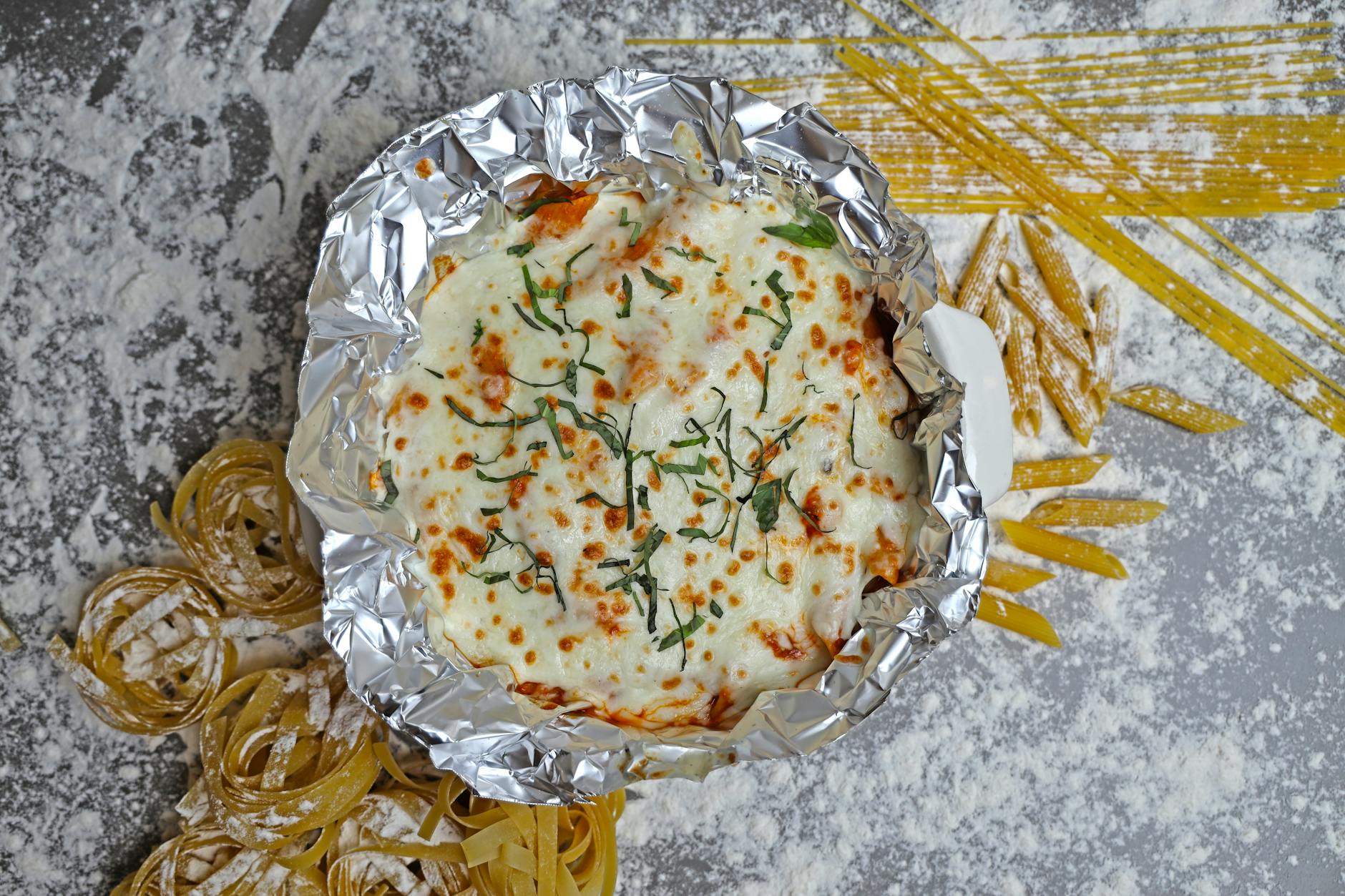
The latest culinary phenomenon sweeping social media involves a simplified baked pasta dish that relies on minimal prep work and readily available ingredients. Originally popularized by creators sharing quick, visual cooking demonstrations, the dish relies on high-fat dairy, acid, and fresh herbs cooked together in a single pan. As millions of home cooks recreated the meal, algorithms pushed the content to broader audiences, generating billions of cumulative views. What began as an accessible weeknight dinner idea quickly evolved into a cultural touchstone that traditional news outlets, including TODAY, have highlighted as a major shifts in how modern consumers discover food.
The extraordinary success of this viral pasta highlights the specific structural elements required for a digital recipe to achieve global reach. Culinary analysts note that successful social media recipes almost always prioritize visual contrast, extreme simplicity, and affordable components. A block of cheese melting into ripe tomatoes provides a dramatic visual transformation that translates exceptionally well to short-form video formats. Viewers can instantly comprehend the cooking process without needing to read complex instructions or master technical knife skills.
Accessibility plays a central role in driving high engagement rates for these digital food trends. Traditional fine dining recipes often require specialized equipment, expensive cuts of meat, or hard-to-find aromatics that intimidate casual cooks. In contrast, the viral pasta relies on standard pantry staples available at almost any local supermarket. By eliminating technical barriers to entry, short-form video platforms allow everyday consumers to participate in a shared culinary experience, posting their own video reviews and variations to feed the ongoing algorithmic loop.
ECONOMIC IMPACT ON RETAIL AND RESTAURANTS
The economic ripples of viral food trends extend far beyond smartphone screens and individual home kitchens. Grocers across the North American market have reported unprecedented demand spikes for specific dairy products and produce items directly linked to trending videos. In several instances, supply chains experienced localized shortages of feta cheese and cherry tomatoes as consumer buying sprees outpaced standard inventory forecasts. Retailers are now actively monitoring social media channels to anticipate stock surges and adjust their wholesale orders accordingly.
The traditional restaurant sector is also feeling the pressure to adapt to these rapidly shifting consumer preferences. Independent eateries and casual dining chains have begun incorporating viral internet dishes onto their seasonal menus to attract younger, digitally native diners. While some fine dining establishments resist adopting social media trends, many operators recognize that offering recognized internet recipes provides a reliable boost to foot traffic and social media engagement. The willingness of diners to seek out real-world versions of online dishes proves the growing commercial viability of internet-born concepts.
For decades, the culinary hierarchy was governed strictly by Michelin guides, James Beard awards, and established print food magazines. Traditional critics held immense power over which dishes and dining establishments gained prestige, emphasizing rigorous technique and artistic presentation. The rapid ascension of viral pasta recipes represents a broader democratization of food culture, where public enthusiasm overshadows formal critical approval. The popularity of a meal is now measured in video shares, user remakes, and retail sales figures rather than institutional awards.
This shift in authority has created a tense dynamic between classic culinary professionals and internet creators. While some veteran chefs criticize viral recipes for lacking depth or technical precision, others acknowledge that these trends perform a vital public service by encouraging young people to cook at home. The massive success of simple pasta dishes proves that convenience and comfort often outweigh complex gastronomy in the daily lives of average consumers. As social media platforms continue to mature, the boundary between professional food media and amateur viral content will become increasingly blurred.
The dominance of viral social media recipes signals a permanent change in how you will discover, shop for, and prepare food. Supermarkets are increasingly tailoring their endcap displays and inventory stocking strategies around trending short-form video content, making it easier for you to find ingredients for popular online meals. Restaurants will continue to integrate these viral concepts into their menus, offering fast-casual versions of dishes that gained fame on your phone screen. Ultimately, this trend puts greater control in the hands of everyday home cooks, providing a continuous stream of accessible, low-cost meal ideas that require no formal culinary training.
Sources and methodology
Reported from the public datasets below.
More from the Foodie Pundit Newsroom
- Downtown Raleigh Welcomes Multi-Concept Hospitality Venue Offering All-Day Dining and Cocktails
- Why Miso Chocolate Tarts Represent the New Frontier of Restaurant Dessert Economics
- Summer Dessert Trends Focus On Global Flavors And Chilled Treats As Operators Target Higher Margins
- How Miso Is Redefining Modern Chocolate Pastry Economics
- Inflation Be Dammed: Your $6 Cold Brew Habit Isn't Going Anywhere