IHOP Franchisees Settle Federal Lawsuit Over Alleged Wage Theft and Deleted Hours
This lawsuit won't change your pancake price, but federal investigators just got IHOP operators to cough up cash for ripping off their workers.
By Foodie Pundit Newsroom - Published - Updated - Section: Policy Regulation
Key points
- Several Illinois IHOP franchisees have settled a lawsuit with the U.S. Department of Labor over allegations of tip theft, deleting worker hours, and underpaying overtime.
- The case highlights the franchise model, where individual operators, not the corporate brand, are typically held liable for labor violations.
- This settlement serves as a major warning for all restaurant operators about the legal and financial risks of non-compliance with labor laws.
- For consumers, this case underscores the importance of supporting ethical establishments and the growing demand for transparency in how restaurant workers are paid.
- The action by the Department of Labor could level the playing field for independent restaurants that follow the law and pay their employees correctly.
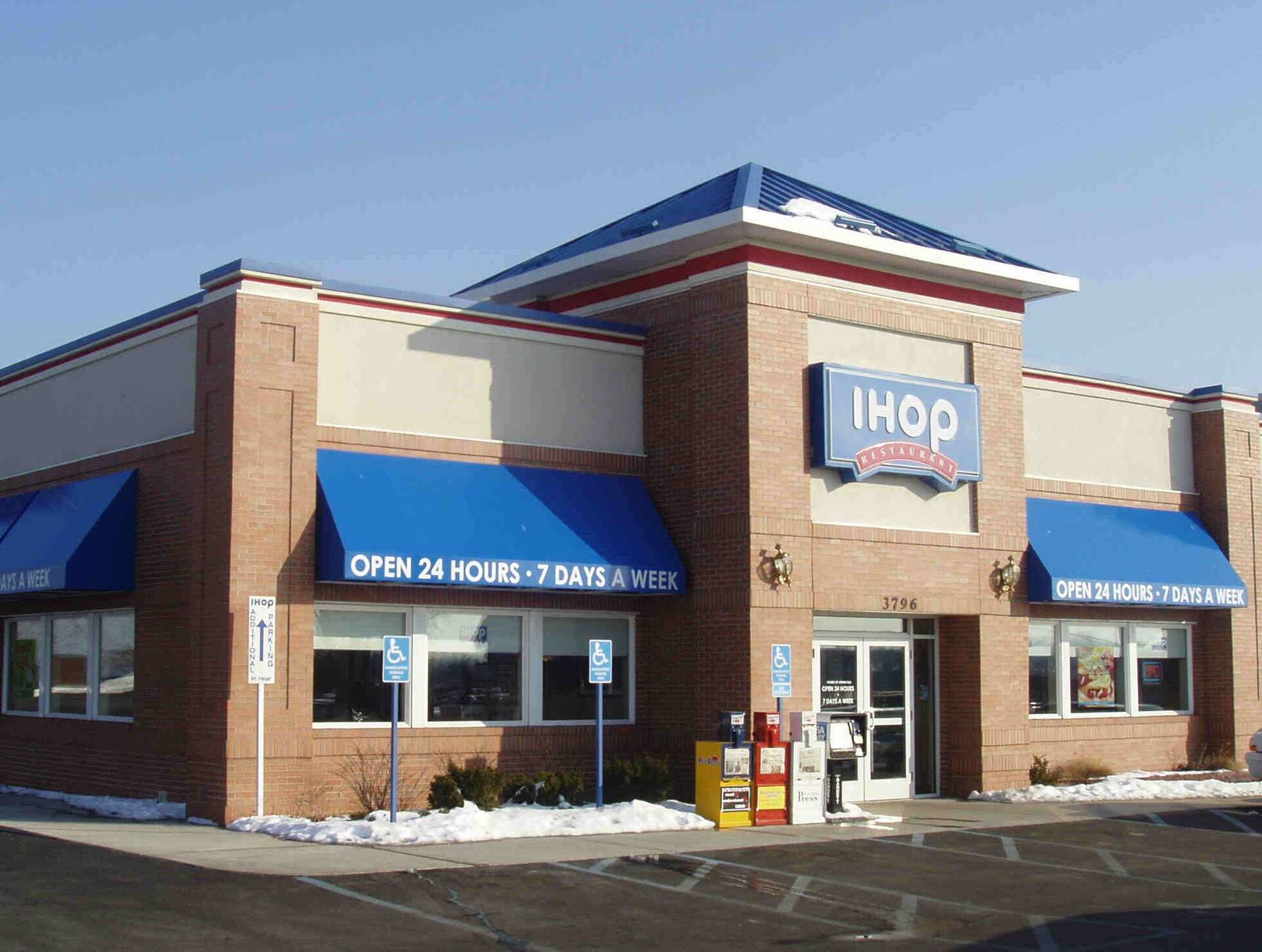
In the never-ending drama of the food industry, another legal case just dropped, and this one involves a breakfast icon. But before you panic about your beloved Rooty Tooty Fresh 'N Fruity pancakes, let's get specific. This isn't about the giant IHOP corporation itself, but rather a group of its franchise operators in Illinois.
These operators and their owner just reached a "settlement in principle" with the U.S. Department of Labor (DOL). Why? Because they were facing a federal lawsuit packed with some pretty serious accusations about how they treated their employees' paychecks.
Now, for those of us who aren't lawyers, a "settlement in principle" is the legal world's way of saying both sides have agreed to end the lawsuit before it goes to a full-blown trial. Think of it as calling a truce. The specifics are still being ironed out, but the fighting is effectively over.
The franchisees decided it was better to resolve the issue now rather than face a potentially long, expensive, and very public court battle. This move is a huge win for the Department of Labor, which has been cracking down on unfair labor practices, and it sends a massive signal across the entire restaurant industry. The corporate tea is piping hot, and it's all about transparency, accountability, and the rights of the workers who make our dining experiences possible.
This case is more than just a headline, it's a critical look into the often-unseen pressures of the franchise world and what it means for everyone, from the server bringing you a fresh pot of coffee to the independent diner owner down the street. Who's On The Hook
When you see a big brand name like IHOP in a headline, it's easy to assume the entire corporation is in hot water. But the reality is a lot more complicated, and it all comes down to the franchise model. In this case, the defendants are the specific Illinois IHOP franchise operators and their owner, not the parent company, Dine Brands Global.
This is a super important distinction. Think of it this way: the IHOP corporation is like the architect who designs the blueprint for a house, sells that blueprint, and sets the rules for how the house should look and feel. The franchisee is the person who buys the blueprint, builds the house, and is responsible for managing everything that happens inside it, including hiring, firing, and most importantly, paying the staff.
This legal separation is intentional. It allows massive brands to expand rapidly across the country without having to manage the day-to-day operations of every single location. However, it also creates a layer of insulation, protecting the corporate entity from direct legal responsibility when a franchisee breaks the law.
So, while the sign outside says IHOP, the paychecks are signed by a local business owner. The lawsuit from the Department of Labor was aimed squarely at these local operators. This doesn't mean the parent company gets off completely scot-free in the court of public opinion, though.
Brand reputation is everything, and when a franchisee is accused of mistreating workers, it can tarnish the image of the entire chain. For the corporate office, it's a constant balancing act between enforcing brand standards and avoiding the legal risks that come with being too involved in a franchisee's labor practices. For the franchisee, the pressure is immense.
They have to pay hefty franchise fees, contribute to national marketing campaigns, and meet corporate standards, all while navigating the razor-thin profit margins of the restaurant world. This financial squeeze is often at the heart of why some operators might resort to illegal practices to cut costs. So, what happened
The lawsuit brought by the Department of Labor wasn't about a minor payroll error. The allegations point to a systemic effort to underpay workers, which is a serious violation of the Fair Labor Standards Act (FLSA), the federal law that establishes basic rights for employees. Let's break down what the franchisees were accused of doing.
First up is the explosive claim of "keeping workers' tips." Let's be crystal clear: tips are the property of the employee, period. When a customer leaves a tip, they are doing so with the understanding that the money is a gratuity for the service they received.
It is not extra revenue for the business. The allegation suggests that managers or owners were illegally taking a portion, or all, of the tips earned by their staff. This is one of the most fundamental betrayals of trust in the restaurant industry.
It not only hurts the worker who is being denied their rightful earnings, but it also deceives the customer who believes they are rewarding good service. For many servers, who are often paid a lower "tipped minimum wage," tips make up the majority of their income. Stealing them isn't just wrong, it can be devastating.
Next, the DOL accused the operators of "deleting hours." This is a shockingly blunt form of wage theft. In practice, it could mean managers manually altering timecard records in the point-of-sale (POS) or payroll system, shaving off minutes or even hours that an employee actually worked.
For example, if an employee worked an 8.5-hour shift, a manager might change the record to show only 8 hours. This directly leads to the third major allegation: "underpaying overtime." Federal law mandates that most hourly employees must be paid overtime, calculated at 1.5 times their regular rate, for any hours worked beyond 40 in a workweek.
By deleting hours, an employer can illegally keep an employee's weekly total under the 40-hour threshold, avoiding the legal requirement to pay that time-and-a-half premium. It's a two-for-one crime, denying workers both their regular pay for time worked and the overtime pay they are legally entitled to. These allegations, taken together, paint a picture of a workplace where the systems meant to ensure fair pay were allegedly manipulated to the detriment of its most vulnerable employees. Financial Fallout
Reaching a "settlement in principle" means the IHOP franchisees are choosing to resolve the case financially rather than risk a trial. While this is not a formal admission of guilt, it is a clear business decision that the potential cost of fighting the Department of Labor in court was too high. The exact dollar amount of the settlement has not been made public, which is very common in these types of agreements. However, we can analyze the potential financial components to understand the stakes.
First and foremost in any DOL wage and hour case is the payment of back wages. The department would have conducted an investigation to determine exactly how much money was allegedly withheld from employees through tip theft, deleted hours, and unpaid overtime. This amount would form the foundation of any settlement.
But it doesn't stop there. The Fair Labor Standards Act includes a provision for "liquidated damages," which can effectively double the amount of back wages owed. These damages are intended to compensate workers for the economic hardship they suffered from not being paid on time.
So, if a franchisee owed $100,000 in back wages, they could be on the hook for an additional $100,000 in liquidated damages, plus the government's legal and administrative fees.
For the franchisee, this is a massive financial blow. It's not just the settlement payment itself, but also the cost of their own legal defense. Beyond the direct costs, the reputational damage can have a lasting financial impact, potentially turning away customers and making it harder to recruit and retain staff.
Settling the case with the DOL also doesn't necessarily prevent individual or group lawsuits. The affected employees could still pursue their own private civil litigation to seek further damages. For the operators in this case, the settlement is a way to cap the immediate financial bleeding from the federal lawsuit and begin the process of rebuildi
We keep our own count of what this runs on a menu. Across 18,982 menu readings we logged in 387 cities, the middle price for a restaurant plate sits at $9.00. Those are our readings, off menus we watch, and they are the yardstick we measure this against.
Sources and methodology
Reported from the public datasets below.
More from the Foodie Pundit Newsroom
- New York City Spring Restaurant Shakeup Signals Shifting Real Estate Dynamics
- Starbucks Menu Complexity Spikes Store-Level Tension as Baristas Battle Operational Bottlenecks
- India's Viral 99 Rupee Menu Has A Catch
- Taco Bell and Taylor Farms Hit With Lawsuit Over Alleged Tainted Lettuce Contamination
- Grocery Costs Stabilize as Spring Brings Long-Awaited Relief to Supermarket Aisles