Independent Restaurants Struggle to Staff Kitchens as Labor Shortage Persists
Small food service operators continue to face severe hiring deficits as worker migration and rising costs create persistent recruitment challenges.
By Foodie Pundit Newsroom - Published - Section: Restaurants
Key points
- Independent restaurant operators continue to battle a severe shortage of hourly frontline workers despite broader economic shifts.
- Corporate chains are utilizing automated technology and instant pay apps to outmaneuver small businesses in recruitment.
- To manage lower headcount, independent venues are trimming menu sizes, closing during slow dayparts, and capping seating.
- Retention efforts now center on fixed scheduling, back of house revenue sharing, and improved workplace culture.
INDEPENDENT RESTAURANTS FACE CONTINUED STAFFING SHORTAGES
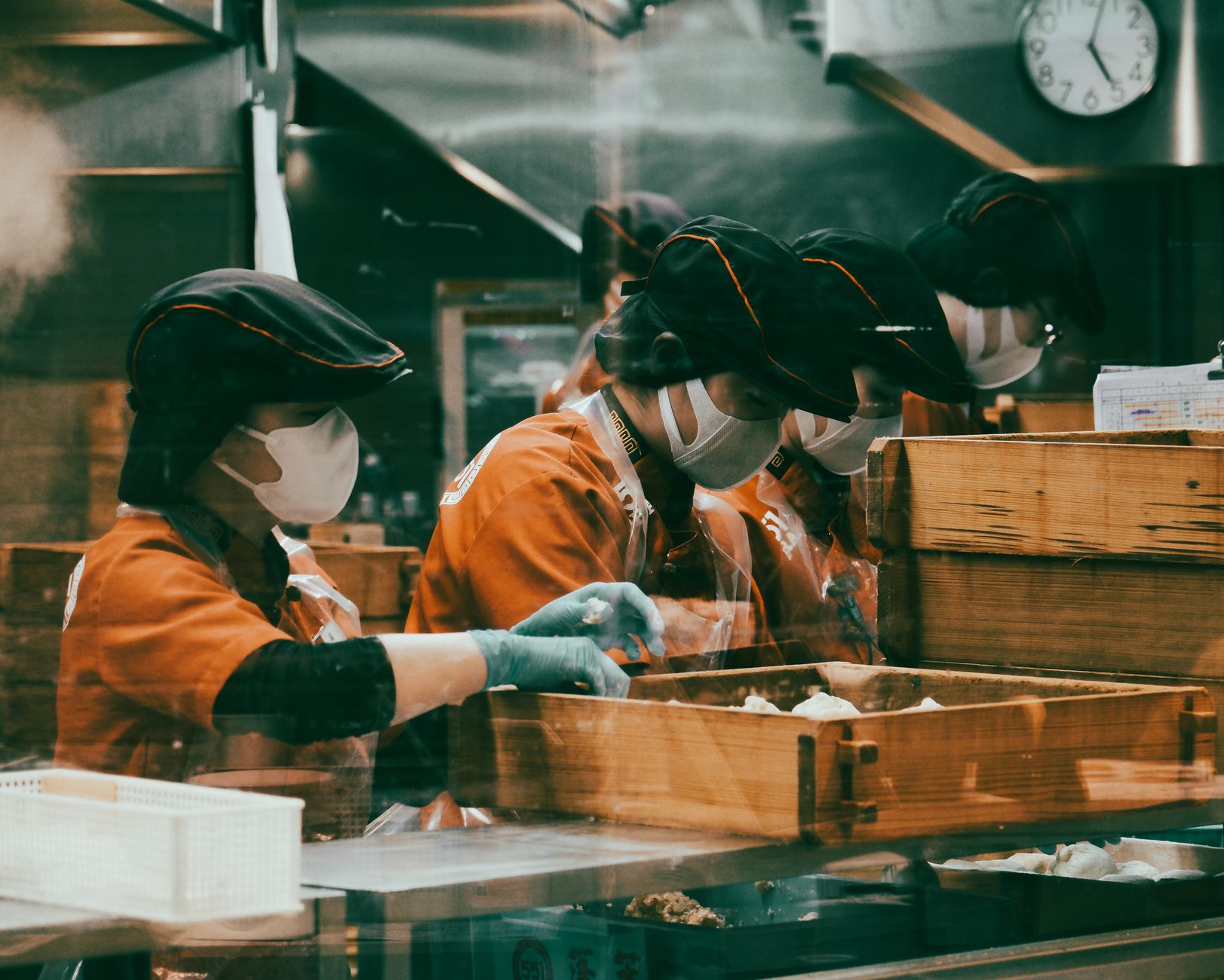
Independent restaurant operators across North America continue to report severe difficulties when recruiting and retaining hourly staff. While large national chains have leveraged corporate balance sheets to hike wages and streamline onboarding through automated scheduling software, single unit operators and small regional brands remain caught in a protracted labor squeeze. Recent data highlighted by Nations Restaurant News indicates that the post pandemic normalization expected by many food service analysts has failed to materialize for the independent sector. Line cooks, prep staff, dishwashers, and experienced front of house managers remain particularly scarce, forcing owners to adapt through reduced operational hours, simplified menus, and higher overhead costs.
The root causes of the persistent labor deficit are multifaceted and extend beyond simple wage competition. Over the past three years, millions of frontline food service workers permanently migrated to alternative sectors offering predictable schedules, remote capabilities, or lower physical demands. Industries such as logistics, gig economy delivery, retail fulfillment, and administrative services successfully drew labor away from commercial kitchens. Consequently, the remaining pool of qualified culinary talent has shrunk significantly, creating an environment where workers hold unprecedented leverage over working conditions and compensation packages.
Corporate chain dining concepts have responded to this landscape by deploying capital intensive solutions that independent venues struggle to mirror. Fast casual giants and multi unit franchisees have implemented digital tipping models, instant daily pay apps, tuition reimbursement programs, and automated kitchen equipment designed to offset headcount requirements. Independent owners, operating on notoriously thin margins that typically range between three and eight percent, often lack the cash flow required to subsidize these costly technological upgrades or matching benefits packages.
ADAPTING OPERATIONS TO FIT A SMALLER WORKFORCE
To survive without full staffing levels, independent restaurant operators are making fundamental changes to their day to day business models. Many establishments have permanently eliminated lower margin dayparts, such as midweek lunch or late night dining, choosing instead to focus resources exclusively on high volume weekend shifts. Others have consolidated their dining rooms or introduced hybrid service models that require fewer floor managers and bussers. By restricting seating capacity or shifting toward counter service, operators can maintain output quality without pushing existing kitchen crews into unsustainable overtime hours.
Menu engineering has emerged as another critical survival tactic for understaffed kitchens. Culinary directors and chef owners are actively reducing total SKU counts, paring down labor intensive prep dishes, and cross utilizing ingredients across multiple menu items. Complex classical techniques that require hours of prep time are increasingly being replaced by streamlined assembly models or high quality speed scratch components. While these strategic shifts preserve operational sanity, they also risk diluting the unique culinary identity that often distinguishes independent venues from corporate competitors.
The financial pressure created by labor costs shows little sign of abating in the near term. Average hourly wages for non supervisory restaurant employees have risen sharply over the past three years, outpacing wage growth in several other service categories. For small operators, these wage increases coincide with elevated costs for prime ingredients, commercial insurance, utilities, and commercial lease rates. Passing these combined expenses onto consumers via higher menu pricing has proven challenging, as customer price sensitivity increases amid broader inflationary pressures across the household economy.
RETAINING TALENT IN A HIGH TURNOVER ENVIRONMENT
Because recruitment remains both expensive and time consuming, independent operators are shifting their strategic focus toward retention. Replacing an hourly restaurant employee can cost an operator several thousand dollars when accounting for lost productivity, training, and recruitment advertising. To keep current staff satisfied, operators are experimenting with non traditional perks such as predictable fixed scheduling, guaranteed time off, wellness stipends, and direct revenue sharing models where a percentage of daily sales is distributed among back of house workers.
Creating a positive workplace culture has become a primary metric for retention success. Historically, commercial kitchens were notorious for grueling physical demands and high stress environments. Modern culinary workers, particularly younger cohorts entering the workforce, prioritize psychological safety, respectful management practices, and clear pathways for career advancement. Independent operators who cultivate supportive team environments report lower turnover rates, though building such cultures requires sustained leadership focus alongside financial compensation.
The persistence of the labor shortage is also altering the competitive landscape for new restaurant openings. Industry consultants report that prospective restaurateurs are increasingly designing concepts around minimal labor footprints from day one. Concepts featuring smaller footprints, ghost kitchen operations, simplified execution steps, and self ordering kiosks are attracting greater interest from lenders and independent investors compared to traditional full service dining models that demand large staffing rosters.
For consumers, the ongoing labor shortage at independent restaurants translates directly into higher dining costs and changed service expectations. Guests should anticipate higher menu prices as small business owners attempt to cover rising wage bills and competitive benefit offerings. Consumers may also encounter reduced operating hours, limited reservation availability, and shorter, less complex menus when visiting their favorite neighborhood spots.
Patrons can support local dining institutions by demonstrating patience with remaining service staff and adjusting dining habits to accommodate altered schedule availability. Booking reservations well in advance and tipping fairly remain simple ways for consumers to help sustain independent businesses. As the food service sector continues its structural evolution, patron support will determine which local concepts successfully navigate the high cost labor environment.
Sources and methodology
Reported from the public datasets below.
More from the Foodie Pundit Newsroom
- Dine Brands Expands Portfolio With Strategic Acquisition of Smokey Bones
- Whole Foods In-House Brands and Prepared Meals Silently Drive Grocery Growth
- In-House Products and Prepared Meals Drive Surprise Growth at Whole Foods
- Walmart and Target Upgrade Digital Apps to Win Gen Z Grocery Dollars
- Kroger Lifts Baseline Store Wages as Grocery Inflation Tests Retailer Margins