Independent Restaurants Struggle With Frontline Staffing As Labor Deficit Persists
Persistent labor shortages and rising wage pressures continue to strain independent restaurant operators who lack corporate financial backstops.
By Foodie Pundit Newsroom - Published - Section: Restaurants
Key points
- Independent restaurant operators continue to struggle with frontline staffing shortages while corporate chains leverage capital to recruit top talent.
- Small business owners are reducing operating hours, simplifying menus, and closing mid-week to manage persistent labor gaps.
- Rising wage expectations and benefit costs make it difficult for single-unit restaurants to compete with enterprise employers.
- High technology costs prevent many independent dining venues from implementing labor-saving automated service systems.
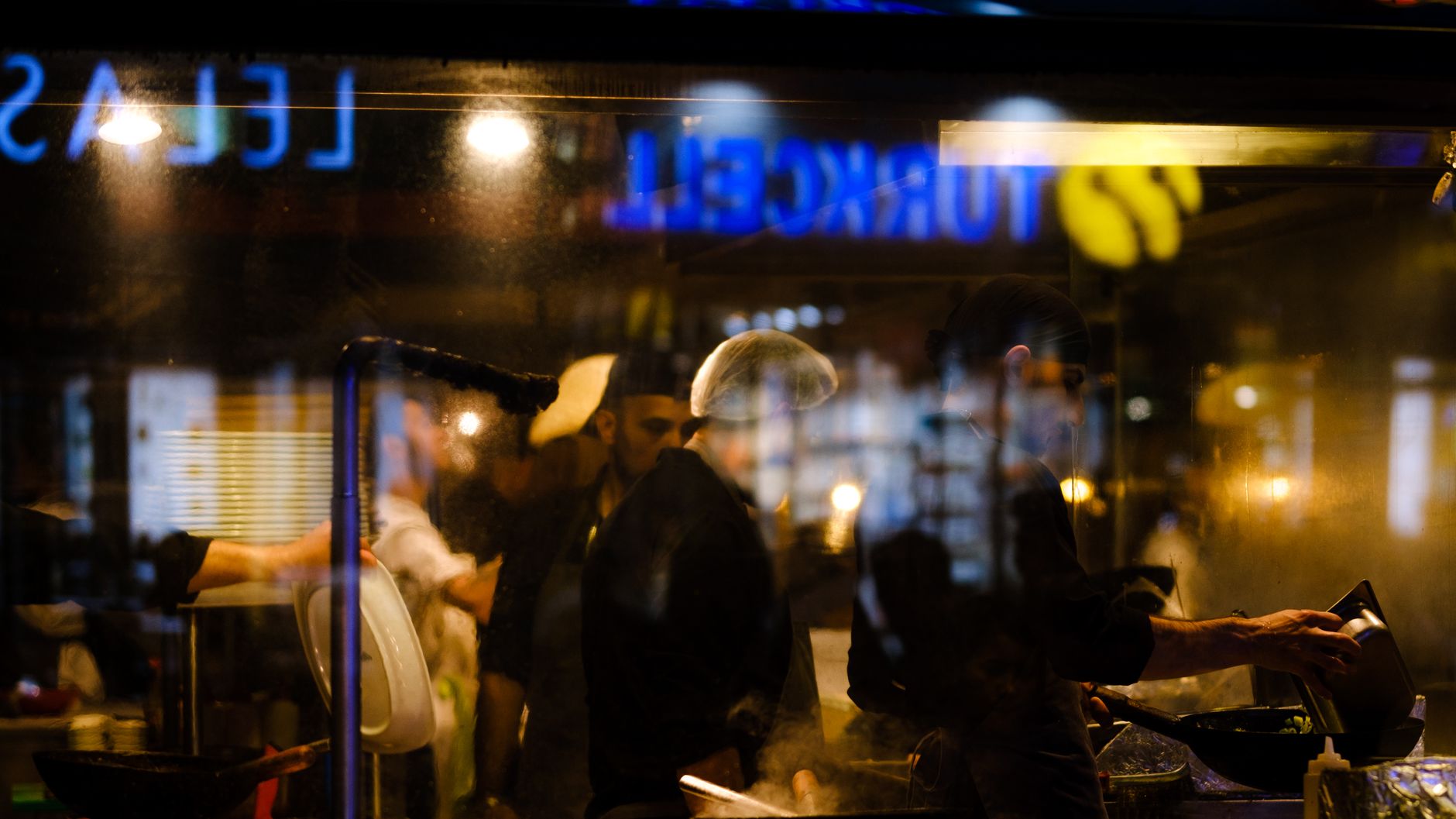
Independent restaurant operators across the nation continue to face severe labor shortages, disrupting daily operations and driving up labor costs. While large enterprise chains have leveraged massive capital budgets and advanced technology to stabilize their staffing levels, small independent venues remain caught in a persistent hiring trap. Recent industry data and reporting from Nations Restaurant News highlight a growing divide between corporate food service networks and local dining spots.
The lingering impact of labor market shifts has left independent kitchens understaffed during peak dining hours. Many operators report that candidate volume has dropped precipitously compared to prepandemic levels, while turnover rates remain uncomfortably high. Consequently, restaurant owners are often forced to reduce operating hours, limit seating capacity, or streamline menus simply to maintain service standards without burning out their remaining staff.
Corporate chain restaurants have deployed robust recruitment platforms and automated hiring software to process applications within hours. These enterprise operations offer competitive hourly wages, sign-on bonuses, paid time off, and structured paths for advancement that independent establishments struggle to match. By using centralized human resources systems, national brands can continuously fill open positions even in tight regional job markets.
Independent dining establishments operate on far tighter financial margins, making it difficult to compete with corporate benefit packages. Small operators must absorb rising food costs, higher utility bills, and increased rent alongside surging wage expectations. Because line cooks, dishwashers, and front-of-house staff can readily find higher-paying positions in retail, hospitality, or corporate dining, independent owners are losing skilled culinary talent to larger employers.
To manage persistent labor deficits, independent restaurateurs are altering their operational models. Many operators have eliminated lunch service entirely, choosing instead to concentrate available staff on high-margin dinner shifts. Others have implemented mandatory mid-week closures, shutting down on Tuesdays or Wednesdays to grant their core staff consistent days off and reduce weekly payroll expenses.
Menu simplification has become another widespread strategy across the independent sector. Kitchen managers are cutting labor-intensive dishes that require extensive prep work, focusing instead on streamlined menus that require fewer line cooks to execute. While this approach keeps kitchen output manageable, it can alienate regular patrons who seek out unique culinary offerings that previously defined the local dining experience.
THE RETENTION CHALLENGE IN FRONT-OF-HOUSE
Retaining front-of-house staff has proven equally challenging for independent venue owners. Servers and hosts face high levels of stress when restaurants operate below ideal staffing thresholds, leading to swift burnout and unexpected resignations. The pressure of managing larger table sections without adequate busser or runner support directly impacts tip earnings and employee satisfaction.
In response, some independent operators are introducing pooled tipping models or mandatory service charges to ensure equitable compensation for back-of-house workers. While these pay structures aim to boost line cook retention, they can sometimes create friction among front-of-house employees who prefer traditional gratuity systems. Navigating these internal compensation dynamics requires constant management oversight that further taxes independent owners.
While large chains deploy self-service kiosks and mobile ordering platforms to alleviate front-of-house labor demands, independent restaurants face financial barriers to technology adoption. High upfront software implementation costs and ongoing subscription fees put modern kitchen display systems and point-of-sale automations out of reach for single-unit operators. As a result, small restaurants rely heavily on manual labor for basic ordering and workflow management.
Furthermore, many independent restaurant owners express concern that automated service tools compromise the hospitality focus that attracts their customer base. Finding a balance between operational efficiency and personalized service remains a primary hurdle. Without scalable technology solutions tailored for small budgets, independent establishments must continue relying on traditional staffing methods in an unfavorable job market.
The ongoing labor strain threatens the financial viability of local culinary ecosystems. As payroll expenses consume a larger percentage of total revenue, independent operators face shrinking net profit margins. Financial analysts note that prolonged labor shortages could lead to an increase in independent restaurant closures, accelerating the commercial dominance of national chain brands in suburban and urban dining corridors alike.
To survive, independent operators are turning to localized recruitment efforts, cross-training staff members across multiple operational roles, and emphasizing unique workplace culture. Some owners have successfully partnered with local culinary schools to build direct talent pipelines. However, systemic shifts in the broader service industry workforce indicate that tight labor conditions will remain a defining operational challenge for the foreseeable future.
For everyday diners, the persistent labor shortage at independent restaurants translates directly to changes in the neighborhood dining experience. You may notice shorter operating schedules, smaller menus, and longer wait times during peak weekend hours. Service charges or integrated tip pools may also appear on your final check as operators attempt to compensate back-of-house culinary teams more equitably.
Supporting your favorite local dining spots requires a degree of patience and flexibility as staff members navigate high-volume shifts with lean crews. Making reservations in advance, respecting updated operating hours, and understanding menu modifications help independent operators maintain financial stability. As the industry adjusts to structural workforce changes, consumer awareness and patron loyalty remain vital to keeping local dining communities vibrant.
Sources and methodology
Reported from the public datasets below.
More from the Foodie Pundit Newsroom
- Whole Foods Relies on House Brands and Prepared Meals to Drive Growth
- Whole Foods In-House Brands and Ready Meals Quietly Drive Massive Sales Surge
- Consumer Choice Overhaul: How Regional Giants and Tech Efficiency Are Redefining Fast Food Loyalty
- Costco Tightens Front Door Verification as Scans Frustrate Borrowers
- Big Box Retailers Overhaul Digital Platforms and Store Brands to Win Generation Z Grocery Dollars