Independent Spots Are Still Battling a Frontline Staffing Deficit
Smaller food service operators continue to navigate severe labor shortages, high turnover, and rising compensation costs that threaten traditional independent d
By Foodie Pundit Newsroom - Published - Section: Restaurants
Key points
- Independent operators struggle to match corporate wage and benefit offerings.
- Operators are cutting service hours and simplifying menus to conserve labor.
- Prolonged understaffing increases owner burnout and risks long term industry consolidation.
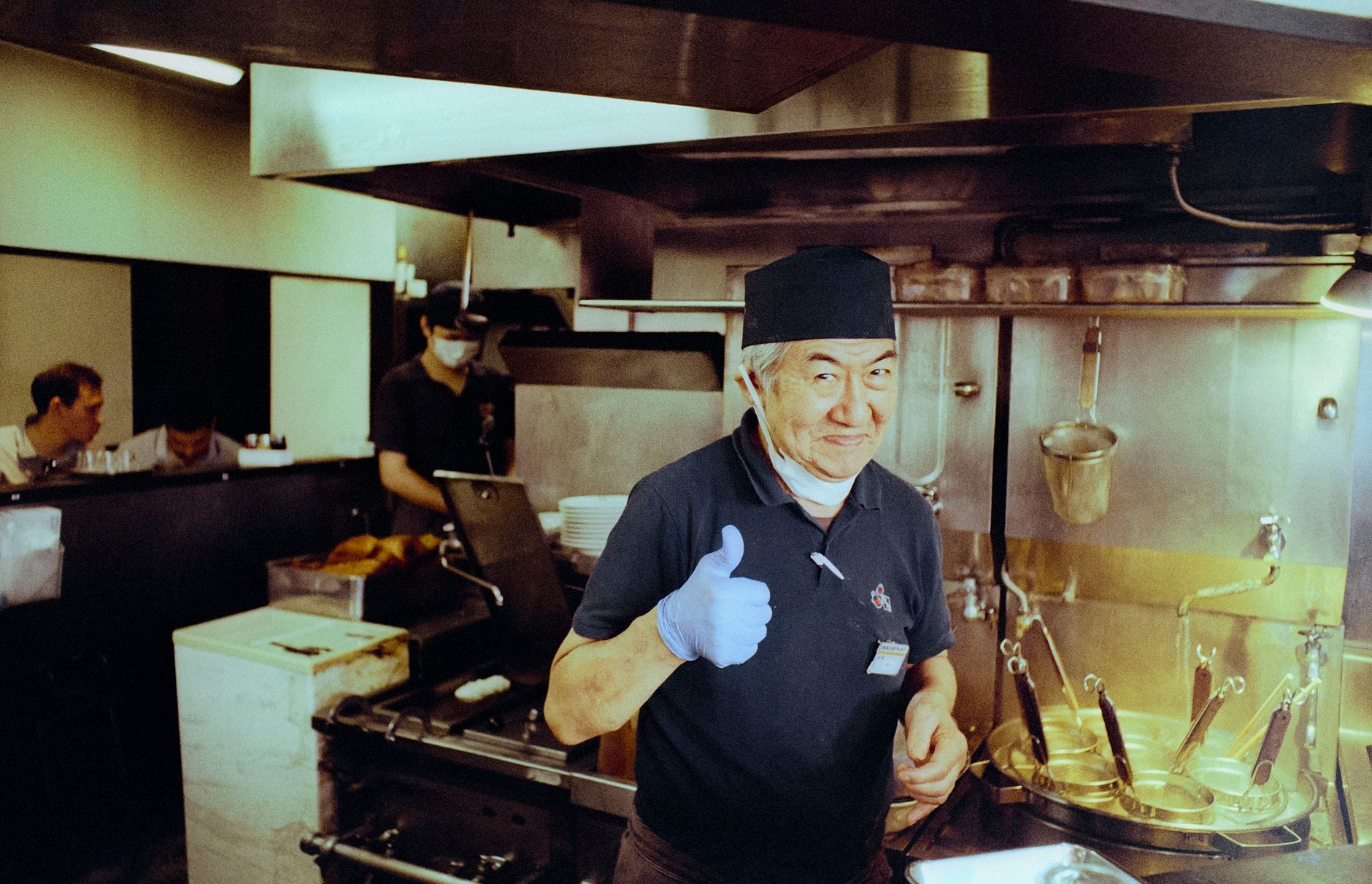
Independent restaurant owners across North America are running into a wall when it comes to filling hourly frontline positions. While giant national chains have used deep corporate pockets to boost wages and roll out automated tech, smaller neighborhood spots are running on paper-thin margins that leave zero room for error. Reporting by Nation's Restaurant News underscores how this persistent labor shortfall forces independent operators to trim operating hours, shrink menus, and hit pause on long-term expansion plans. When a single bad week can wipe out a month of profit, independent dining rooms simply cannot burn cash to outbid massive corporate budgets.
The forces behind the shortage are complicated. Many seasoned hospitality workers left the food service industry permanently over the past few years, trading late nights and heavy foot traffic for work with higher stability, remote options, or corporate benefit packages. Independent operators now have to recruit from a much smaller applicant pool, where job seekers often arrive with little to no traditional line-cooking or table-service experience.
That reality drops an extra heavy burden onto general managers and executive chefs, who have to run high-intensity training programs while simultaneously keeping regular dinner service from going off the rails. Teaching knife skills or floor mechanics in the middle of a Friday night rush leaves zero margin for mistakes.
Unlike corporate restaurant groups that can absorb wage hikes across hundreds or thousands of units, single-unit owners and small local groups feel every dollar of payroll inflation right on their bottom line. Rising wholesale ingredient costs, commercial rent hikes, and expensive utility bills leave independent kitchens with minimal cash reserves to fund aggressive hourly pay raises. As a result, neighborhood bistros and local taco shops routinely find themselves unable to match the baseline entry wages dangled by fast-casual chains and big-box retailers. When the corporate store down the street raises starting pay overnight, the local spot down the block gets squeezed even harder.
Base pay is only part of the equation. Hospitality job seekers in 2026 expect standard workplace benefits, predictable schedules, and paid time off. Independent operators struggle to secure affordable group health coverage because of their tiny employee counts.
Missing out on these basic perks puts smaller venues at a major disadvantage when trying to keep line cooks, bartenders, and floor staff around for more than a few months. When small teams lack basic healthcare options and predictable schedules, keeping staff beyond a single season becomes an uphill battle.
To keep the lights on, independent operators are making permanent adjustments to their weekly schedules. Plenty of neighborhood dining rooms now run fewer days per week, routinely closing on Mondays and Tuesdays to trim labor expenses and give burned-out staff consecutive days off. Other spots have scrapped lunch service altogether, redirecting their lean teams entirely toward high-volume dinner service where average check sizes are larger. Trimming low-margin daytime shifts lets owners consolidate labor costs into the specific hours that actually generate meaningful revenue.
Menu simplification has become another go-to survival tactic for independent kitchens. Executive chefs are cutting prep-heavy dishes in favor of recipes that need fewer assembly steps on the line, letting restaurants run smooth shifts with fewer cooks behind the pass. Some dining rooms are also bringing digital ordering and payment systems directly to the table, allowing individual servers to handle larger sections without letting hospitality slide. Streamlining prep work cuts hours off early morning shifts, while on-table tech lets servers spend less time running checks and more time engaging guests.
The continuous grind of understaffing is taking a massive toll on business owners themselves. Restaurant founders are constantly filling open shifts as emergency line cooks, dishwashers, and hosts. Spending 50 hours a week covering basic operations leaves owners with almost no bandwidth to work on marketing, menu development, or long-term business strategy. When an owner spends full shifts working the dish pit or working the line, strategic planning gets pushed to the back burner indefinitely.
Relying on overworked skeleton crews also triggers high employee turnover, trapping small businesses in an expensive loop of constant hiring and onboarding. High turn rates crush staff morale and lead to inconsistent guest experiences, which risks alienating loyal local regulars. With diners watching their disposable income closely, keeping service tight is critical, yet staffing limits make consistency hard to pull off shift after shift. When diners notice long waits or missed steps on basic orders, repeat visits drop off quickly.
Industry analysts warn that if these labor headwinds stick around, the dining market will drift even further toward heavily funded corporate concepts. Small operators that lack the scale to absorb persistent payroll hikes may eventually have to close their doors or sell out to larger hospitality groups. That shift poses a genuine threat to local food culture, given that independent restaurants have long served as the main incubators for culinary trends and neighborhood identity. Without independent spots testing wild ideas, public dining risks turning into a sea of identical chain menus.
Trade advocacy groups are pushing for structural support, including expanded vocational training programs and targeted tax credits for small food service employers. In the meantime, independent owners are relying on tight community ties, positive workplace culture, and flexible scheduling to attract employees who can keep their dining rooms running. For many workers, working in a supportive environment with empathetic leadership helps balance out what small kitchens cannot offer in pure payroll dollars.
For diners, this staffing deficit turns up in very real ways at the table. Expect shorter operating schedules, streamlined menus, and occasional delays during peak dinner rushes. Grabbing a table during off-peak hours and showing patience with frontline crews helps these local spots stay afloat.
Rising labor costs will also keep pushing menu prices higher, especially for labor-intensive, scratch-made dishes as operators balance their books. Paying a few dollars extra for an entree or seeing a smaller menu is simply what it takes to keep neighborhood dining options alive.
Sources and methodology
Reported from the public datasets below.
More from the Foodie Pundit Newsroom
- Whole Foods Private Brands and Prepared Meals See Surging Consumer Demand
- Malaysia Street Food Sector Powers Regional Hospitality Economics
- Store Closures Surpass 2008 Pace As Restaurant Industry Contraction Deepens
- Independent Restaurants face Ongoing Staffing Crises as Labor Shortages Persist
- Frontline Labor Shortages Continue to Squeeze Independent Restaurants