Inside The Cocochine as Mayfair Welcomes a New High-End Culinary Landmark
An in-depth look at the operational strategies, spatial design, and commercial viability behind Mayfair's newest luxury dining destination.
By Foodie Pundit Newsroom - Published - Updated - Section: Luxury Dining
Key points
- The Cocochine opens as a multi-story luxury establishment in Mayfair, targeting high-net-worth consumers and international travelers.
- The operational model relies heavily on direct-to-farm ingredient procurement, private event spaces, and high-margin beverage sales.
- High labor ratios and Mayfair real estate costs necessitate high average guest spend to maintain profitability.
- The opening reflects broader resilience in London's ultra-luxury dining sector despite general macroeconomic pressure.
The ultra-luxury segment of the London dining market has welcomed a high-profile entrant with the official opening of The Cocochine in Mayfair. Situated in one of the capital city's most affluent real estate corridors, the multi-story restaurant represents a significant capital expenditure aimed at the upper echelon of fine-dining consumers. Reporting from the Evening Standard highlights the venue as a landmark addition to Mayfair's competitive hospitality landscape.
The financial and operational blueprint behind The Cocochine reflects a growing industry trends toward bespoke, high-touch luxury concepts that prioritize intimacy over seat turnover. Occupying a restored four-story townhouse, the establishment blends traditional hospitality mechanics with exclusive private dining models. Industry analysts view the project as a barometer for high-end consumer confidence in central London amid broader macroeconomic shifts across Europe.
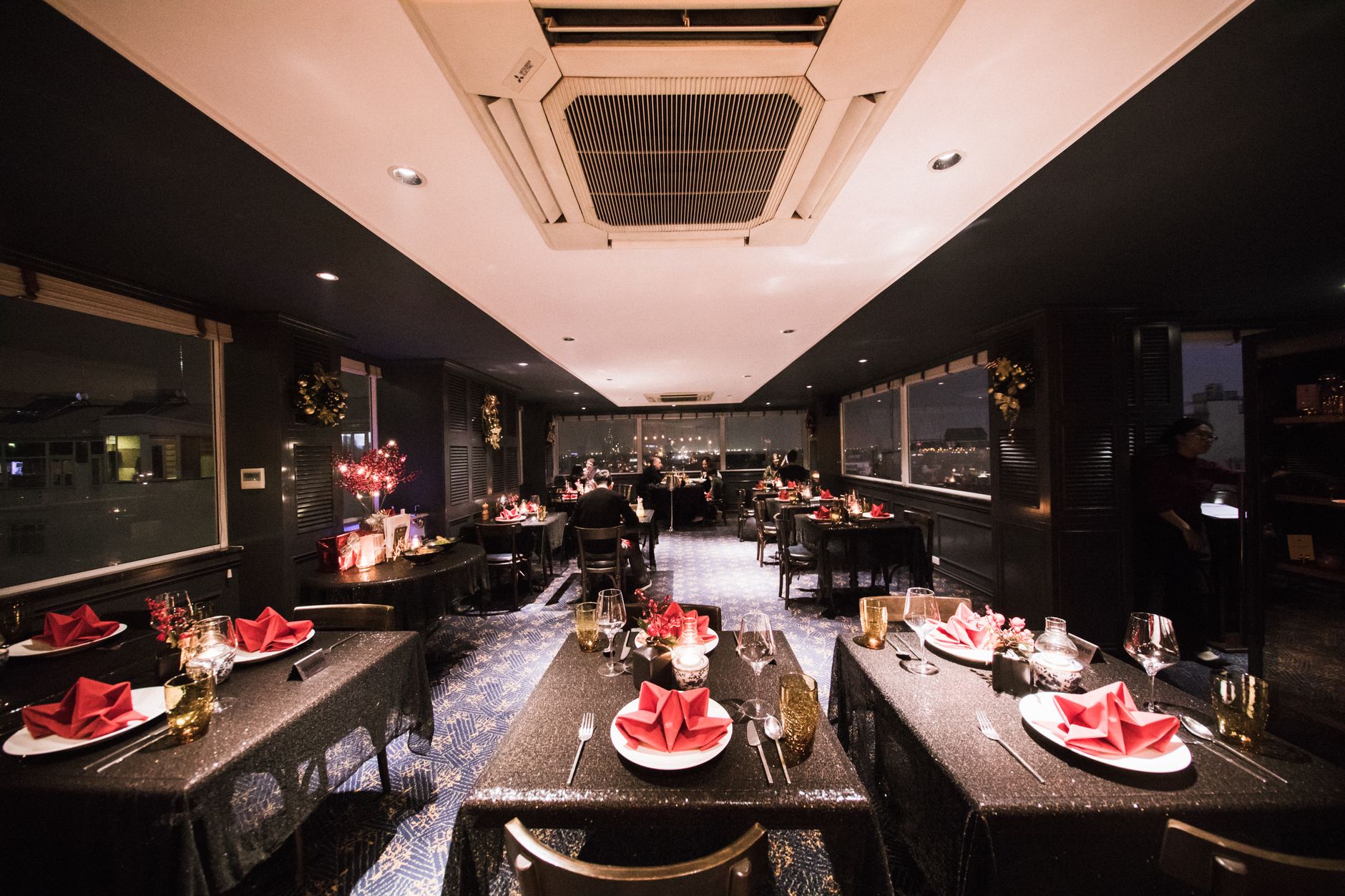
The structural layout of The Cocochine emphasizes a multi-tiered hospitality experience designed to maximize revenue across distinct dayparts and customer segments. The ground floor features a main dining room centered around an open kitchen layout, allowing guests direct visual access to the culinary team. This arrangement reduces spatial barriers between service staff and patrons, a physical design trend increasingly utilized to justify premium price points.
Upper levels of the townhouse are dedicated to private dining suites and specialized lounge areas. By allocating significant square footage to private events and corporate entertaining, the operators have structured the venue to capture lucrative corporate spending accounts. Real estate experts note that securing and renovating a multi-story property in Mayfair requires extensive capital reserves, often exceeding several million pounds in initial outlay before operational launch.
The culinary framework at The Cocochine is built on rigorous ingredient sourcing and high-labor kitchen techniques. Led by experienced culinary directors, the kitchen avoids traditional volume-driven menu strategies in favor of a curated, highly seasonal offering. This operational focus allows the venue to maintain strict quality control while minimizing food waste, a major variable cost for premium establishments.
According to coverage by the Evening Standard, the ingredient pipeline relies heavily on direct relationships with boutique farms, specialized livestock producers, and artisan food artisans across the United Kingdom. By cutting out middleman distributors, the restaurant secures exclusive access to rare agricultural yields. However, this direct-to-farm procurement model increases logistics overhead and requires precise supply chain management to maintain margin profitability.
Managing high-end hospitality operations in central London presents severe margin pressures, primarily driven by rising labor expenses and commercial rent hikes. To deliver the precise, white-glove service expected in Mayfair, The Cocochine maintains a high ratio of staff members to guests. Front-of-house staff undergo specialized training in beverage pairing, guest protocol, and discreet customer service management.
The recruitment strategy for the venue reflects a broader trend among luxury operators who compete fiercely for top-tier culinary and sommelier talent. Higher base compensation packages and improved shift schedules are increasingly necessary to retain skilled staff in post-Brexit London. These elevated labor costs require the establishment to secure high average spend per cover to maintain healthy operational margins.
The revenue strategy for The Cocochine relies on a dual-pronged approach targeting wealthy international travelers and resident high-net-worth individuals. Mayfair remains a global capital destination for luxury retail, private wealth management, and high-end gastronomy. By positioning itself within walking distance of elite hotels and private members clubs, the venue captures cross-promotional foot traffic from international visitors.
Furthermore, the integration of extensive wine programs and rare spirits inventory acts as a primary profit driver for the enterprise. High-margin beverage sales typically offset the substantial labor and ingredient costs associated with intricate tasting menus. Observers note that establishing a reputation among local corporate executives for executive lunches and client dinners will be critical for sustaining year-round cash flow through off-peak tourism seasons.
INDUSTRY CONTEXT AND COMPETITIVE LANDSCAPE
London's fine-dining market has experienced significant consolidation in recent years, with independent operators facing headwinds from inflated energy tariffs and supply chain volatility. However, the top-tier luxury sector has shown remarkable resilience against broader consumer spending contraction. Investors behind developments like The Cocochine are betting that premium consumers remain insulated from routine economic pressures.
The opening highlights an ongoing transformation within Mayfair, where traditional legacy dining rooms are being replaced or renovated by modern concepts offering experiential luxury. Competing for prestigious Michelin recognition and international culinary accolades is central to this strategy. Achieving high rank on global lists significantly reduces long-term customer acquisition costs by generating organic domestic and international publicity.
For culinary enthusiasts and industry observers, the launch of The Cocochine illustrates how top-tier restaurant groups are navigating modern economic challenges. Guests visiting the venue can expect an elevated level of personalized service and ingredient traceability, though these factors directly translate into higher menu pricing. Understanding the operational overhead behind luxury venues helps diners evaluate value proposition in top-tier markets.
For hospitality professionals and investors, the project provides a case study in spatial design and corporate event monetization. Prioritizing private dining rooms alongside standard dining seating allows high-end concepts to diversify revenue streams against fluctuating foot traffic. As central London continues to attract global luxury capital, establishments that master operational efficiency while maintaining strict quality standards will dominate the premium marketplace.
Sources and methodology
Reported from the public datasets below.
More from the Foodie Pundit Newsroom
- Grocery Price Dips Offer Temporary Relief But No Full Market Collapse
- Inside the Launch of Mayfair’s Newest Luxury Destination: The Cocochine
- Rising Prime Costs and Evolving Consumer Spending Trigger Wave of Restaurant Closures Nationwide
- Supermarket Giants Move Toward Unprecedented Consolidation
- Viral croissant mashups mean bakeries rake in more cash