Inside The Cocochine: Mayfair Welcomes a New Contender to London's Ultra-Luxury Dining Scene
An inside look at Mayfair's newest luxury dining destination and its strategic position within London's high-end restaurant market.
By Foodie Pundit Newsroom - Published - Updated - Section: Luxury Dining
Key points
- The Cocochine has officially opened in London's affluent Mayfair district, entering a highly competitive luxury market.
- The venue utilizes a low-capacity, high-margin model to combat rising energy, labor, and ingredient costs across the UK hospitality sector.
- Direct sourcing from independent farms and coastal fisheries underpins the restaurant's culinary strategy and menu development.
- Success in the Mayfair market hinges on securing repeat local and corporate bookings alongside international luxury travelers.
The luxury dining sector in central London is witnessing a significant new entry with the formal launch of The Cocochine in Mayfair. Situated in one of the capital city's most affluent real estate corridors, the establishment aims to cater to high-net-worth diners and international culinary tourists. Reporting from the Evening Standard highlights the venue as a major addition to the West End restaurant ecosystem, which continues to recover from recent macroeconomic headwinds.
The opening comes at a critical juncture for upscale hospitality in Britain. Operators face rising energy costs, elevated ingredient prices, and ongoing labor shortages across both front and back of house operations. Despite these pressures, investor appetite for ultra-premium dining concepts remains strong, driven by resilient consumer spending among top-tier income demographics in key global hubs like London.
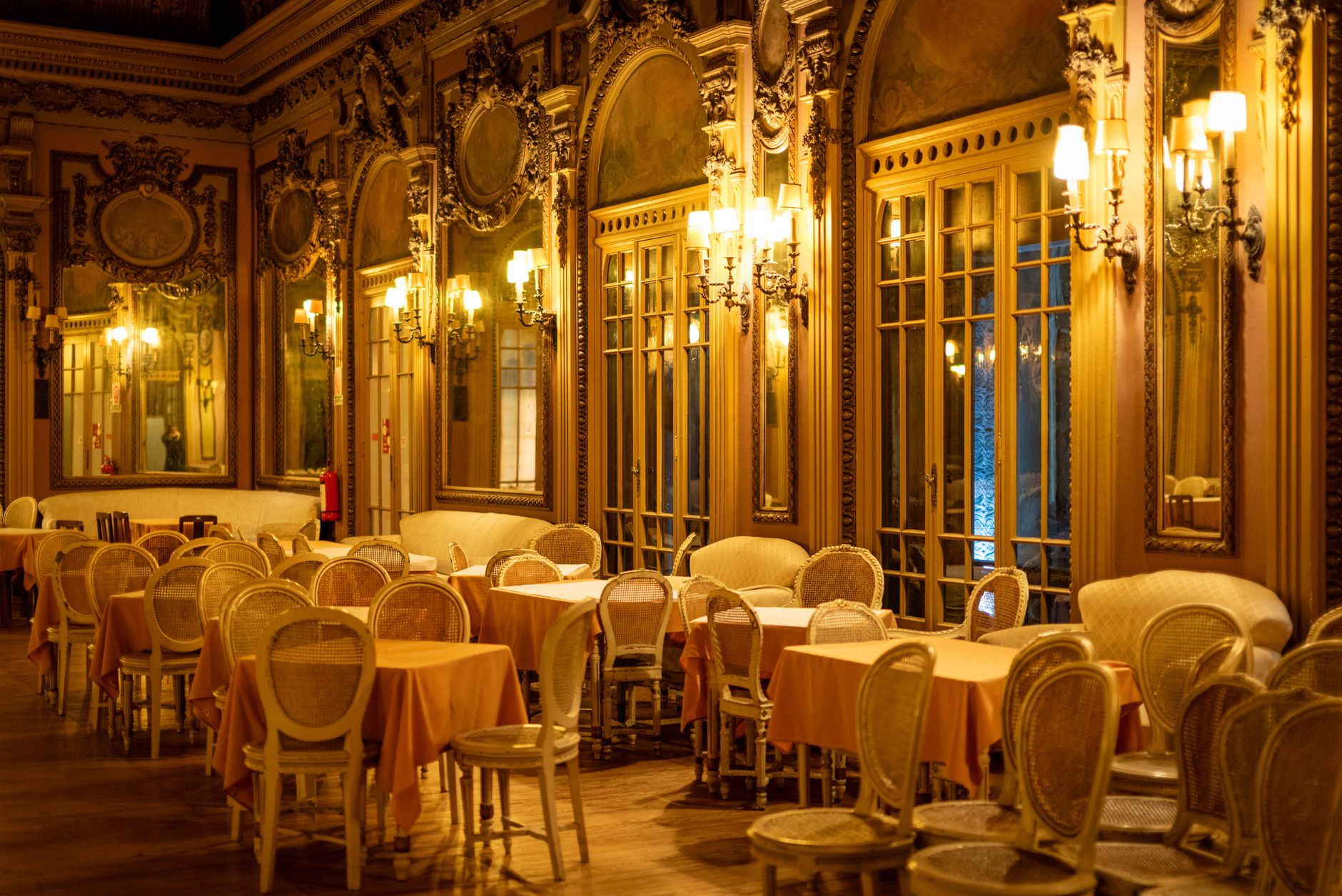
At the helm of the new project is an experienced culinary team focused on precision cooking and bespoke guest experiences. The kitchen narrative centers on seasonal European techniques integrated with global flavor profiles, a strategy designed to distinguish the venue from established neighboring competitors. According to coverage by the Evening Standard, the interior architecture reflects a substantial capital investment, featuring custom art installations, plush textiles, and an intimate seating layout intended to maximize guest privacy and comfort.
The business model relies heavily on multi-course tasting menus alongside a curated, high-margin beverage program. By limiting overall cover counts, management aims to maintain exceptionally high service standards while driving higher average spend per diner. This operational strategy has become increasingly popular among luxury operators seeking to cushion their bottom lines against volatile supply chain costs.
PROPERTY INVESTMENT AND LOCATION STRATEGY
Mayfair has long served as the epicenter of London's luxury dining industry, commanding some of the highest commercial rents in the United Kingdom. Securing a footprint in this neighborhood requires significant upfront capital investment and long-term financial backing. The arrival of The Cocochine underscores the ongoing appeal of the area for independent operators, even as corporate dining groups expand their market share across the city.
Real estate analysts note that securing prime Mayfair locations often involves lengthy negotiations and extensive planning permissions, particularly when renovating historic townhouse structures. The successful completion of this project signals continued landlord confidence in the high-end food service sector. Successful venues in this district often benefit from strong foot traffic generated by neighboring luxury retail, private members clubs, and five-star hotels.
Central to the restaurant's operational philosophy is an emphasis on direct supply chain partnerships. The kitchen sources specialized produce, heritage livestock, and rare seafood directly from independent farms and coastal fisheries across the British Isles and mainland Europe. This direct-to-producer framework allows the culinary team to maintain tight quality control while minimizing reliance on conventional wholesale distributors.
Industry experts observe that short, transparent supply chains offer restaurants greater agility when designing seasonal menus. Furthermore, high-end consumers increasingly demand verified provenance and sustainable sourcing practices when dining at premium price points. By establishing proprietary agreements with niche agricultural suppliers, the restaurant secures exclusive access to limited-quantity ingredients that set its menu offerings apart from mid-market competitors.
COMPETITIVE DYNAMICS IN THE MAYFAIR MARKET
The launch occurs within a highly saturated market environment where new venues compete fiercely for guest loyalty and critical acclaim. Mayfair boasts one of the highest concentrations of Michelin stars in Western Europe, creating an environment where operational flaws can quickly diminish a brand's reputation. To survive, new entrants must deliver consistent culinary execution alongside faultless floor management.
Market analysts highlight that success in this segment depends on securing recurring bookings from local residents and corporate clientele, rather than relying solely on transient international visitors. Reservation systems at top Mayfair establishments often fill months in advance, creating a perception of exclusivity that further drives consumer demand. The early reception of The Cocochine suggests strong initial interest, though long-term sustainability will depend on maintaining operational consistency past the initial promotional period.
For culinary enthusiasts and restaurant industry watchers, the opening of The Cocochine provides valuable insight into the trajectory of London's ultra-luxury food service market. Diners can expect high price points paired with meticulously sourced ingredients and attentive service, reflecting broader trends across Mayfair's competitive landscape. The venue represents a classic example of how modern fine dining operators are navigating inflationary pressures by focusing on high-margin, low-capacity models tailored to affluent consumers.
For industry professionals, the launch serves as a case study in property acquisition, operational planning, and supply chain management within a premium real estate zone. Monitoring the performance of the establishment over the coming quarters will offer clear indicators regarding the durability of luxury dining demand in post-inflationary Britain. Consumers planning a visit should expect tight reservation availability during peak dining hours and are advised to book well in advance.
Sources and methodology
Reported from the public datasets below.
More from the Foodie Pundit Newsroom
- Forza Storico Expands Roman Dining Footprint With New West Midtown Location
- Inside the Economics of Mayfair's New Luxury Dining Addition
- Grocery Price Relievers Emerge but Broad Relief Remains Out of Reach
- Pittsburgh Neighborhood Dining Corridors Drive Regional Economic Growth
- Why Your Grocery Bill Isn't Shrinking Any Time Soon