Kentucky Tobacco Farm Denied Court Order to Block DOL Labor Probe
A Kentucky tobacco farm's attempt to halt a federal investigation into its labor practices was shot down, clearing the way for a high-stakes showdown over
By Foodie Pundit Newsroom - Published - Updated - Section: Agriculture Supply
Key points
- A federal judge rejected a Kentucky tobacco farm's request to block a Department of Labor hearing regarding alleged H-2A visa violations.
- The farm faces significant risks, including potential back pay, heavy fines, and debarment from hiring temporary foreign workers.
- This case highlights a broader trend of increased federal scrutiny on labor practices within the agricultural supply chain that impacts food prices.
- The scheduled September 2026 hearing will serve as a critical test for the Department of Labor's enforcement power over seasonal labor.
In a move that sends a clear signal to the agricultural sector, a federal judge in the U.S. District Court for the Eastern District of Kentucky has shut down an attempt by a local tobacco farm to dodge a date with the Department of Labor (DOL). The farm had filed for an injunction to block a scheduled hearing regarding alleged violations of farmworker visa regulations. For those who do not speak legalise, an injunction is basically a formal request to the court to stop something from happening before it starts. The farm wanted to freeze the process, arguing against the DOL's authority or the validity of the upcoming hearing.
The judge was not having it. By tossing the farm's request, the court has effectively said that the administrative process must play out. This means the farm is heading to a high stakes hearing in September 2026.
At the center of the storm are the H-2A visa regulations, which are the lifeblood of American agriculture. These rules govern how farms bring in temporary non-immigrant workers for seasonal labor. If you have ever wondered how crops get harvested while domestic labor markets are tight, the H-2A program is usually the answer.
But with that labor comes a massive book of rules regarding pay, housing, and worker rights. When a farm is accused of breaking those rules, the federal government does not just send a polite letter. They trigger a formal adjudicatory process that can lead to massive fines and, even worse, a "death penalty" for the business: being debarred from using the visa program entirely. Who's On The Hook
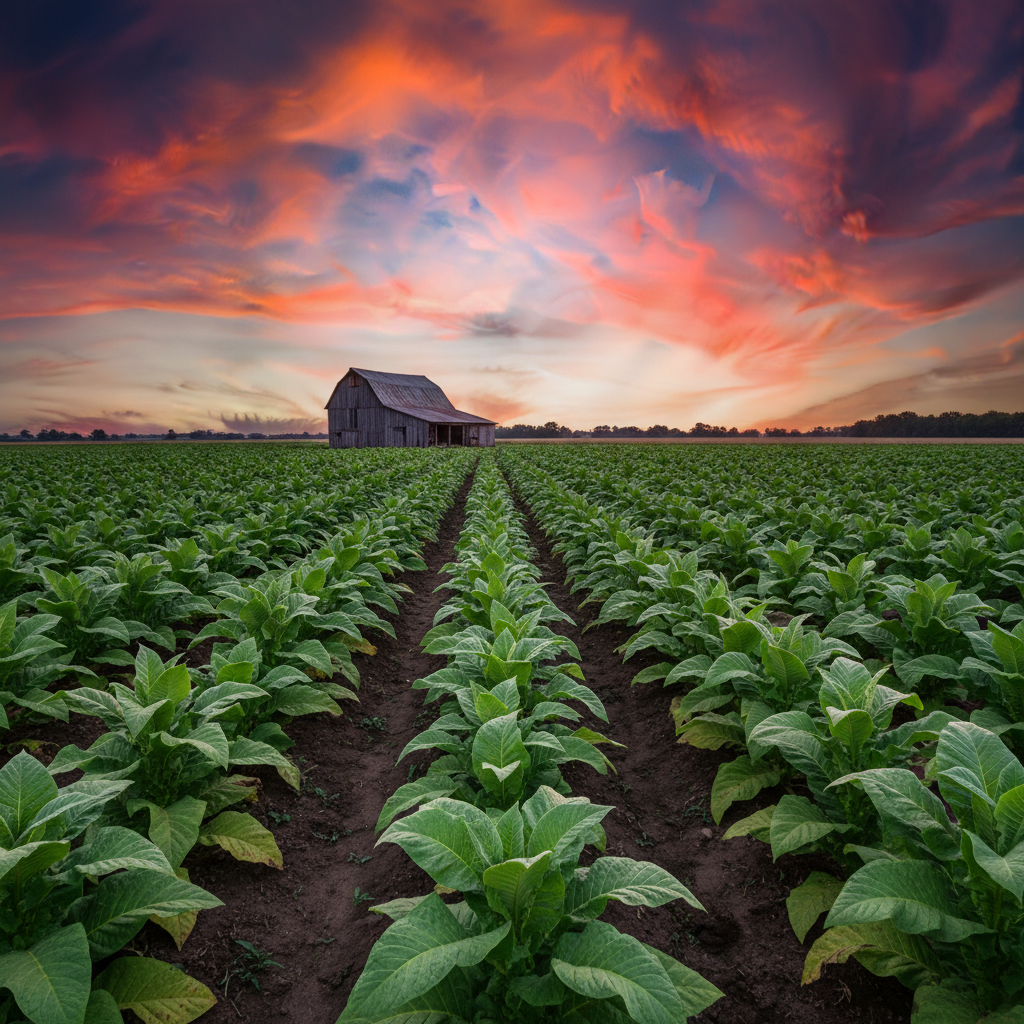
While the specific name of the entity remains shielded in some public summaries, the defendant is a Kentucky based tobacco farm. In the world of high end culinary products and artisanal ingredients, tobacco might seem like an outlier, but it is a massive part of the agricultural economy in the South. Kentucky farms are often multi generational family businesses that have now scaled into sophisticated operations.
However, the "who" in this case extends beyond just one farm. The Department of Labor is the primary antagonist here, acting as the enforcer of federal labor standards. For the farm, the stakes are existential.
Most tobacco operations in this region are heavily dependent on H-2A labor. If the DOL finds significant violations, the farm faces not only financial penalties but a potential ban from the program. Without those workers, the crop stays in the ground.
For the broader industry, every Kentucky tobacco farmer and every organic vegetable grower using these same visas is watching this case to see how much power the DOL can wield and how much protection the courts will provide to employers. Farm's beef with the DOL
The core of this dispute lies in the alleged violation of farmworker visa regulations. While the specific "receipts" of the case will be fully aired during the September hearing, the DOL usually investigates several common areas when it comes to H-2A non-compliance.
First, there is the "Adverse Effect Wage Rate" (AEWR). This is the minimum wage that the DOL determines must be paid to H-2A workers so that the wages of similarly employed U.S. workers are not negatively impacted. Farms often struggle with these shifting rates, and falling short even by a few cents per hour can lead to massive back-pay liabilities.
Second, there is the issue of housing and transportation. Under the rules, employers must provide housing that meets safety and health standards at no cost to the workers. They must also provide transportation to and from the job sites. If a farm charges workers for these "perks" or provides substandard living conditions, they are in direct violation of federal law.
Third, the "three quarters guarantee." This rule states that a farm must offer workers employment for at least 75 percent of the workdays in the contract period. If the crop fails or the season is short, the farm still has to pay up.
By attempting to block the hearing, the Kentucky tobacco farm was likely trying to challenge the DOL's interpretation of these rules or the way the investigation was conducted. The fact that the judge refused to block the hearing suggest that the DOL has a legitimate right to proceed with its inquiry. Financial Fallout
The financial impact for the farm is currently listed as restricted information, but we can look at industry trends to estimate the "corporate tea." In similar DOL cases, fines can easily reach six figures for a mid sized operation. Back pay for dozens of workers over multiple seasons adds up quickly.
But the true financial nightmare is debarment. If the DOL debars a farm for three years (a common penalty for "willful" violations), that farm loses its ability to hire the very labor it needs to function. For a tobacco farm, which is incredibly labor intensive, this is a financial cliff.
Beyond the direct costs, there are legal fees. Fighting the Department of Labor in federal court is an expensive game. By losing this bid for an injunction, the farm has already burned through significant legal capital and still has to face the actual hearing in September. For the food and beverage industry at large, this case serves as a warning: the cost of non-compliance is almost always higher than the cost of following the rules, especially when federal regulators are in a "crackdown" era. Big Tobacco Parallels
It is impossible to talk about Kentucky tobacco without acknowledging the history of the industry. For decades, tobacco was the "gold" of the South, but it has faced a reckoning over health impacts and corporate transparency. Now, the industry is facing a second reckoning: labor transparency.
Gen Z and Millennial consumers are increasingly concerned with the "how" and "who" of their products. Whether it is the natural tobacco used in boutique cigarettes or the ingredients in a farm to table meal, the "S" in ESG (Environmental, Social, and Governance) is becoming a dealbreaker. This case mirrors the shifts we have seen in Big Tobacco, where companies that once operated in the shadows are being forced into the light by federal oversight. The DOL's aggressive stance on visa rules is a reflection of a broader societal push to ensure that the people at the very bottom of the supply chain are treated with dignity and paid fairly. This actually affects your spot
You might be wondering: "I run a small bistro in Nashville or a coffee shop in Brooklyn why do I care about a tobacco farm in Kentucky?"
The answer is the supply chain. Agriculture is a connected ecosystem. The labor pool for tobacco is often the same labor pool for the fruits, vegetables, and grains that end up in your kitchen. When the DOL cracks down on one sector of farming, it changes the labor market for everyone.
If visa regulations become more strictly enforced or more difficult to navigate, the cost of labor for farmers goes up. When the farmer's costs go up, the price of a crate of tomatoes or a bag of flour goes up. Independent restaurants, already squeezed by inflation and rising urban rents, are the ones who feel the pinch. They do not have the volume or the hedging power of a McDonald's or a Chipotle.
Furthermore, this case highlights the growing "regulatory creep" that can eventually reach the hospitality sector. If the government is getting this granular about how a farm in Kentucky handles its seasonal staff, it is only a matter of time before that same level of scrutiny is applied to the seasonal workers in high end resort kitchens or the "independent contractors" used by delivery apps and catering companies. What's next for the farm
The next big date on the calendar is September 2026. That is when the formal DOL hearing will take place. This will not be a quick Zoom call. It will be an evidentiary hearing where the DOL will present its findings and the farm will attempt to defend its practices.
Sources and methodology
Reported from the public datasets below.
More from the Foodie Pundit Newsroom
- Your grocery bill is still wild, and here's why
- Golden Arches Prune Walmart Stores to Fund the Drive-Thru Future
- Central Florida Food Markets Pivot To Mediterranean Concepts As Fast Casual Trends Evolve
- Pre-Mixed Cocktail Market Set to Reach 3.6 Billion Dollars by 2030 as Consumer Demand Accelerates
- Botswana Agriculture Turns to Climate Smart Tech to Combat Severe Water Shortages