Kroger Albertsons Merger Advances As Regulators Evaluate Market Power And Food Supply Risks
As Kroger and Albertsons push toward a historic retail combination, food industry analysts weigh the long-term consequences for consumer prices, store choices,
By Foodie Pundit Newsroom - Published - Updated - Section: Policy Regulation
Key points
- The proposed merger between Kroger and Albertsons would create a retail giant operating over four thousand supermarket locations across North America.
- Company leaders argue that massive scale is necessary to compete with retail giants Walmart, Amazon, and Costco while lowering wholesale procurement costs.
- Consumer advocates and agricultural groups warn that store divestitures may not prevent localized monopolies, higher prices, and reduced shelf space for regional food producers.
- Shoppers should expect shifts in local store banners, expanded private label store brands, and continued investment in store automation technologies.
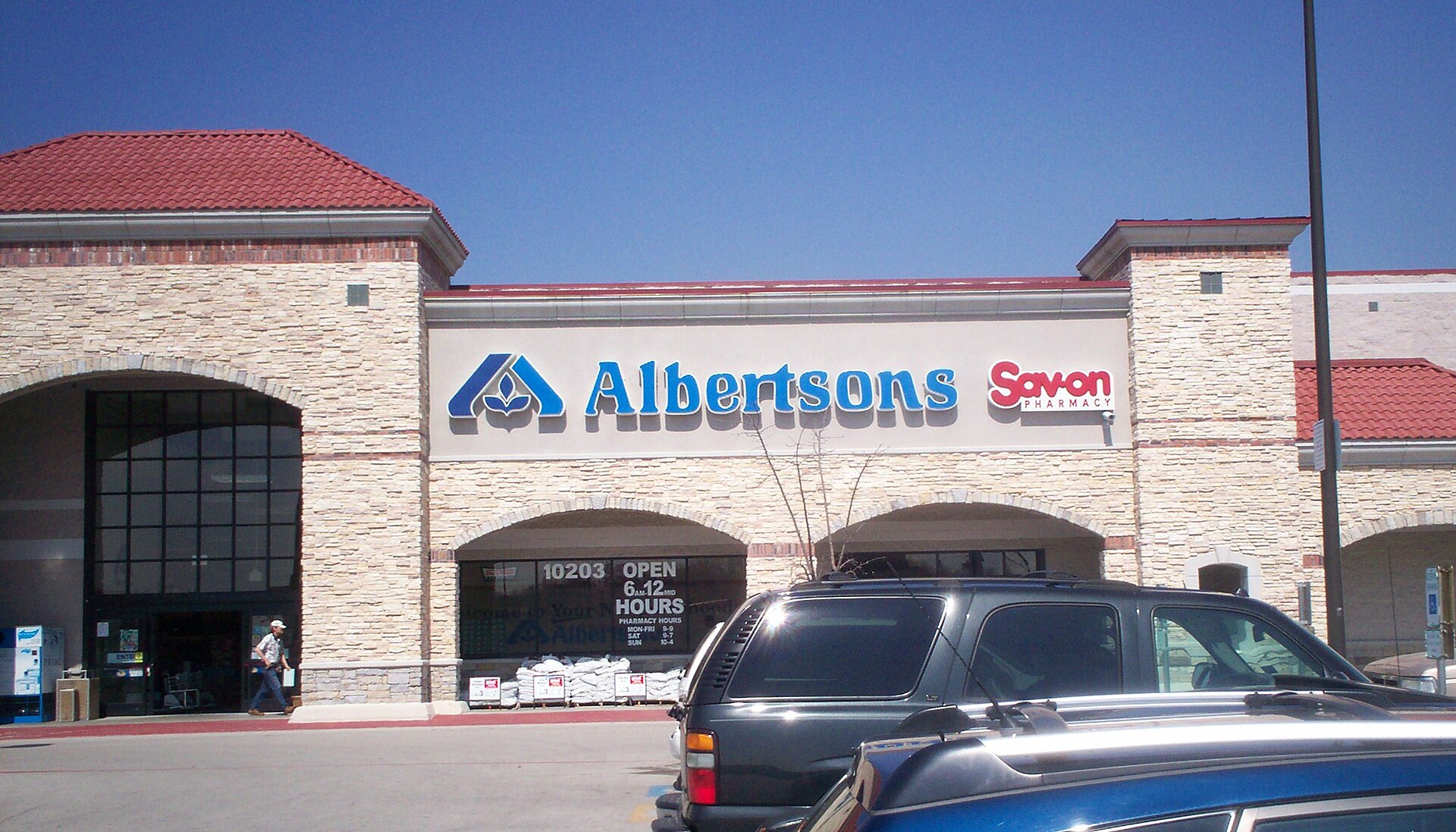
The North American grocery landscape stands on the precipice of its largest structural consolidation in modern retail history. The proposed mega merger between Kroger and Albertsons continues to advance through regulatory review channels, drawing intense scrutiny from Federal Trade Commission officials, consumer advocacy groups, and independent grocery operators. If approved, the combined retail entity would control more than four thousand store locations nationwide, operating under dozens of regional banners ranging from Ralphs and Safeway to Harris Teeter and Vons.
According to reporting from The Food Institute, the transaction represents an unprecedented shift in retail market power. Proponents argue that the scale achieved through the merger is essential to compete effectively against non-traditional food retailers such as Walmart, Amazon, and Costco. Critics, however, warn that reducing the number of primary supermarket operators in major metropolitan markets could lead to diminished competition, lower agricultural producer returns, and localized food access deserts.
For retail industry analysts, the motivation driving this massive deal rests firmly on supply chain dynamics and digital infrastructure investments. Modern supermarket operations require immense capital expenditure to build out automated fulfillment centers, advanced loyalty platform analytics, and direct-to-consumer delivery networks. By pooling their financial resources, Kroger and Albertsons aim to achieve operational efficiencies that smaller regional chains struggle to duplicate.
Volume purchasing power forms the backbone of this corporate strategy. A combined buying desk allows the consolidated entity to negotiate lower wholesale procurement costs from major consumer packaged goods manufacturers. The food giants maintain that these wholesale savings will ultimately benefit shoppers through stabilized pricing, particularly during periods of elevated inflation across basic agricultural commodities and packaged foods.
To satisfy regulatory anti-monopoly concerns, the merging companies have proposed selling hundreds of overlapping retail storefronts to third-party operators. Divestiture plans are designed to preserve local market competition in regions where Kroger and Albertsons currently operate competing locations across the street from one another. However, antitrust experts point out that historical retail divestitures have a mixed track record of success, as purchasing entities often struggle to maintain profitability in acquired locations.
The primary fear among consumer watchdogs is the creation of localized grocery monopolies across suburban and rural shopping corridors. When competing supermarket options decline in a specific zip code, consumer choice shrinks rapidly. Independent food retailers, operating on slim net margins of one to two percent, may find themselves squeezed out by the massive scale of the newly formed retail giant.
The systemic effects of supermarket consolidation extend far beyond retail checkout lanes, reaching deep into agricultural supply chains. Large grocery conglomerates typically streamline their vendor rosters, preferring to partner with large-scale industrial farming operations capable of fulfilling national delivery contracts. Small and mid-sized regional food producers may face increased hurdles when attempting to secure shelf placement in consolidated banner stores.
Reporting by The Food Institute highlights how vendor access fees, promotion costs, and slotting allowances often increase when retail purchasing power becomes concentrated. Regional food systems rely heavily on diverse retail access points to sustain local farming economies. A centralized corporate purchasing structure can unintentionally disrupt regional distribution networks that support local produce growers, artisanal food makers, and regional meat processors.
For the average household, the fundamental question surrounds weekly grocery bills and product selection. Executive leadership at both companies insists that price investments remain a core commitment, pledging to allocate cost savings from administrative redundancies directly into lower retail pricing. Yet economic research on historical retail mergers suggests that price reductions are rarely guaranteed over long time horizons once local market competition recedes.
Product variety represents another arena of potential consumer impact. Consolidated retail buyers frequently standardize center-store product assortments across corporate store networks to optimize warehouse distribution efficiency. While store-brand private label selections may expand significantly under the new entity, niche regional brands and specialty food items often face consolidation or elimination during corporate system integration.
The merger also carries major implications for unionized store employees and logistics workers across the country. Labor organizations have voiced significant concern regarding potential store closures, centralized warehouse shifts, and bargaining leverage during future contract negotiations. While company representatives have pledged to honor existing collective bargaining agreements, operational consolidation naturally creates pressure to eliminate redundant administrative, logistics, and management roles.
Store-level operations are likely to see accelerated investments in automation technology following any final merger approval. Self-checkout kiosks, electronic shelf labeling systems, and automated floor cleaning units allow large chains to control store-level labor expenditures. These technological deployments serve to enhance profit margins but alter the traditional front-of-house customer service experience that many shoppers accustomed to local community grocers expect.
As a food consumer, the approval of this merger will likely change how and where you shop for everyday staples. In neighborhoods where both Kroger and Albertsons banners operate today, you may see store name changes, store divestitures to secondary buyers, or potential location consolidations over the next several years. While corporate leaders promise that supply chain efficiency will lower retail price inflation, local market dynamics will ultimately determine your actual costs at the register.
Your local grocery product choices could also shift toward private label brands as the combined company expands its proprietary store-brand portfolios. Shoppers seeking unique regional products or specialized local items may need to turn increasingly to independent specialty markets, farmers markets, or direct-to-consumer delivery services as mega-retailers streamline national inventory selections to maximize operational efficiency.
Sources and methodology
Reported from the public datasets below.