Kroger and Albertsons Battle Federal Regulators as Massive Supermarket Consolidation Reaches Critical Phase
Federal regulators and labor unions continue to challenge the historic supermarket combination while retail executives argue scale is vital to compete with mass
By Foodie Pundit Newsroom - Published - Updated - Section: Policy Regulation
Key points
- Federal regulators and state attorneys general are actively challenging the proposed Kroger-Albertsons merger over antitrust concerns.
- The grocers have proposed selling hundreds of stores to C and S Wholesale Grocers to satisfy regulatory requirements.
- Executives argue the merger is necessary to compete with massive retailers like Walmart, Target, and Costco.
- Labor unions and community groups worry the deal could lead to store closures, job losses, and reduced consumer choices.
The ongoing battle over the proposed consolidation of Kroger and Albertsons continues to reshape the landscape of American grocery retailing. Federal regulators, state attorneys general, and consumer advocacy groups have intensified their scrutiny of the deal. Supermarket News reports that the Federal Trade Commission remains vigilant, evaluating whether the combination of two of the largest traditional supermarket chains in the country will harm competition and drive up food prices.
The regulatory pushback centers on market concentration in specific regional territories across the United States. In many suburban and rural communities, Kroger and Albertsons operate competing store locations directly across the street from one another. Regulators argue that eliminating this direct rivalry could lead to higher checkout totals, fewer promotions, and reduced options for daily shoppers.
The Federal Trade Commission filed an administrative complaint along with a lawsuit in federal court to block the multi-billion dollar transaction. Several state attorneys general have initiated parallel legal challenges, citing localized antitrust concerns within their jurisdictions. Regulators contend that the merger would create a dominant entity capable of controlling market dynamics in key geographic corridors.
To address these antitrust challenges, the companies announced extensive divestiture plans aimed at creating a viable third competitor. Under the proposed remedy, C and S Wholesale Grocers would acquire hundreds of stores, distribution centers, and private label brands. Industry analysts monitored by Supermarket News suggest that regulators remain skeptical about whether C and S can successfully operate such a large retail portfolio without eventually scaling back operations.
Executives at Kroger and Albertsons maintain that combining operations is essential to compete against non-traditional food retailers. Mass merchants such as Walmart and Target, alongside warehouse clubs like Costco, have aggressively expanded their grocery market share over the past decade. Furthermore, hard discount grocers such as Aldi have captured price-conscious consumers by offering streamlined inventory and lower operational overhead.
The merging grocers argue that their scale is necessary to negotiate better purchase prices from major consumer packaged goods manufacturers. By consolidating buying power, the combined entity claims it could lower wholesale costs and pass those savings on to consumers. However, regulatory authorities counter that past retail mergers have rarely resulted in sustained price reductions for everyday shoppers.
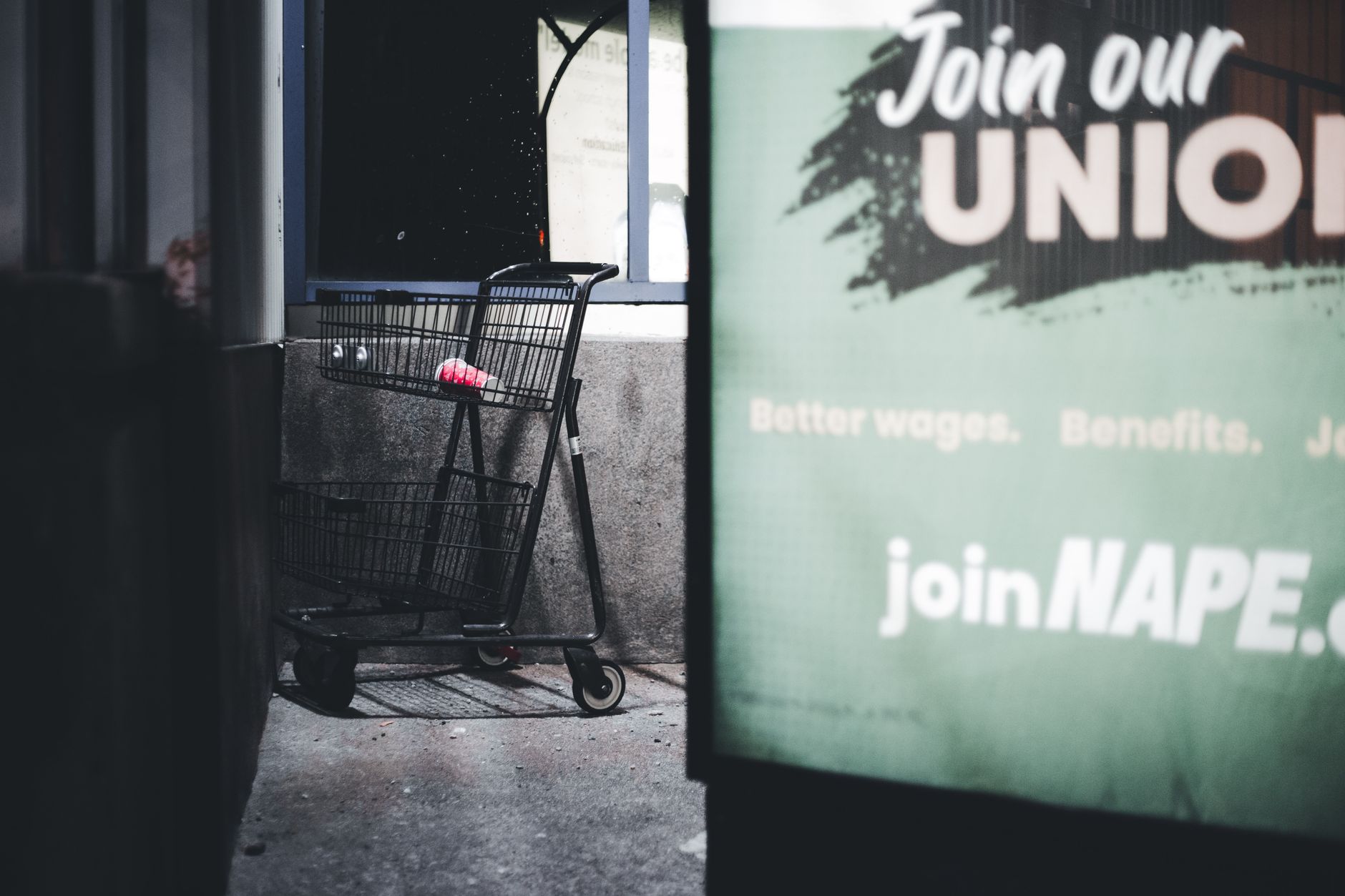
Labor organizations representing retail employees have voiced strong opposition to the transaction. The United Food and Commercial Workers International Union raised concerns regarding potential store closures, job cuts, and reduced bargaining power during future contract negotiations. Union leadership argues that divestitures frequently lead to store underperformance and eventual liquidation, leaving workers vulnerable.
Local communities also face potential disruptions if divestiture packages fail to maintain active grocery locations. In urban neighborhoods and rural towns, the closure of a primary supermarket can create fresh food deserts, forcing residents to travel significantly farther for essential staples. Local governments have submitted formal inquiries regarding store retention guarantees and long term lease commitments.
Beyond the retail storefront, the proposed merger carries major implications for agricultural producers and food manufacturers. A consolidated buyer of this scale would hold immense purchasing leverage over regional farmers, food processors, and distributors. Industry suppliers worry that smaller vendor operations could be squeezed out if they cannot meet the volume demands of a unified retail network.
On the other hand, proponents argue that a streamlined supply chain could reduce food waste and optimize distribution efficiency. By combining logistics assets, cold storage facilities, and transport fleets, the merged organization could theoretically improve inventory management. Supermarket News notes that modernizing supply chains remains a top capital priority for both grocery operators as online ordering demands expand.
The retail food sector has increasingly shifted toward omnichannel sales, including curbside pickup and doorstep delivery. Both Kroger and Albertsons have invested billions of dollars into automated fulfillment centers, digital media networks, and personalized loyalty programs. Merging these technological platforms would allow the companies to pool digital resources and extract greater value from retail media advertising.
Retail media networks have emerged as a high margin revenue stream for modern supermarkets. By leveraging vast amounts of consumer purchase data, grocers sell targeted advertising space to major brands directly within their mobile applications and websites. Combining consumer datasets would create one of the largest retail media networks in North America, rivaling digital advertising programs managed by mass market competitors.
For the average household, the outcome of this legal battle will directly impact weekly food budgets and shopping choices. If the merger proceeds and divestiture plans fail to maintain vibrant store competition, consumers in overlapping market areas may experience reduced promotional discounts and fewer store choices.
Conversely, if federal courts permanently block the deal, both Kroger and Albertsons will need to execute standalone growth strategies. This scenario could lead to aggressive price competition, expanded store renovations, and enhanced loyalty rewards as each chain attempts to defend its market share against Walmart and low-cost operators. Shoppers should track local store divestiture lists to understand how neighborhood retail options might shift over the coming months.
More from the Foodie Pundit Newsroom
- The Hidden Health Risks of Ultra-Processed Foods and What They Mean for the Food Industry
- FDA Overhauls Food Safety Framework to Accelerate Recalls and Enhance Supply Chain Tracking
- San Francisco Restaurant Closures Mount as High Costs and Low Foot Traffic Batter Local Operators
- The Great Mustard Shift: How Social Media Is Upending the Global Condiment Market
- Grocery Merger Standoff Deepens as Regulators Fight Kroger and Albertsons Deal