Legacy Fast Food Chains Face Financial Pressure as Consumer Spending Shifts
Rising labor overhead, inflated commodity prices, and shifting consumer habits are accelerating store closures and bankruptcies across legacy dining brands.
By Foodie Pundit Newsroom - Published - Updated - Section: Closings Bankruptcies
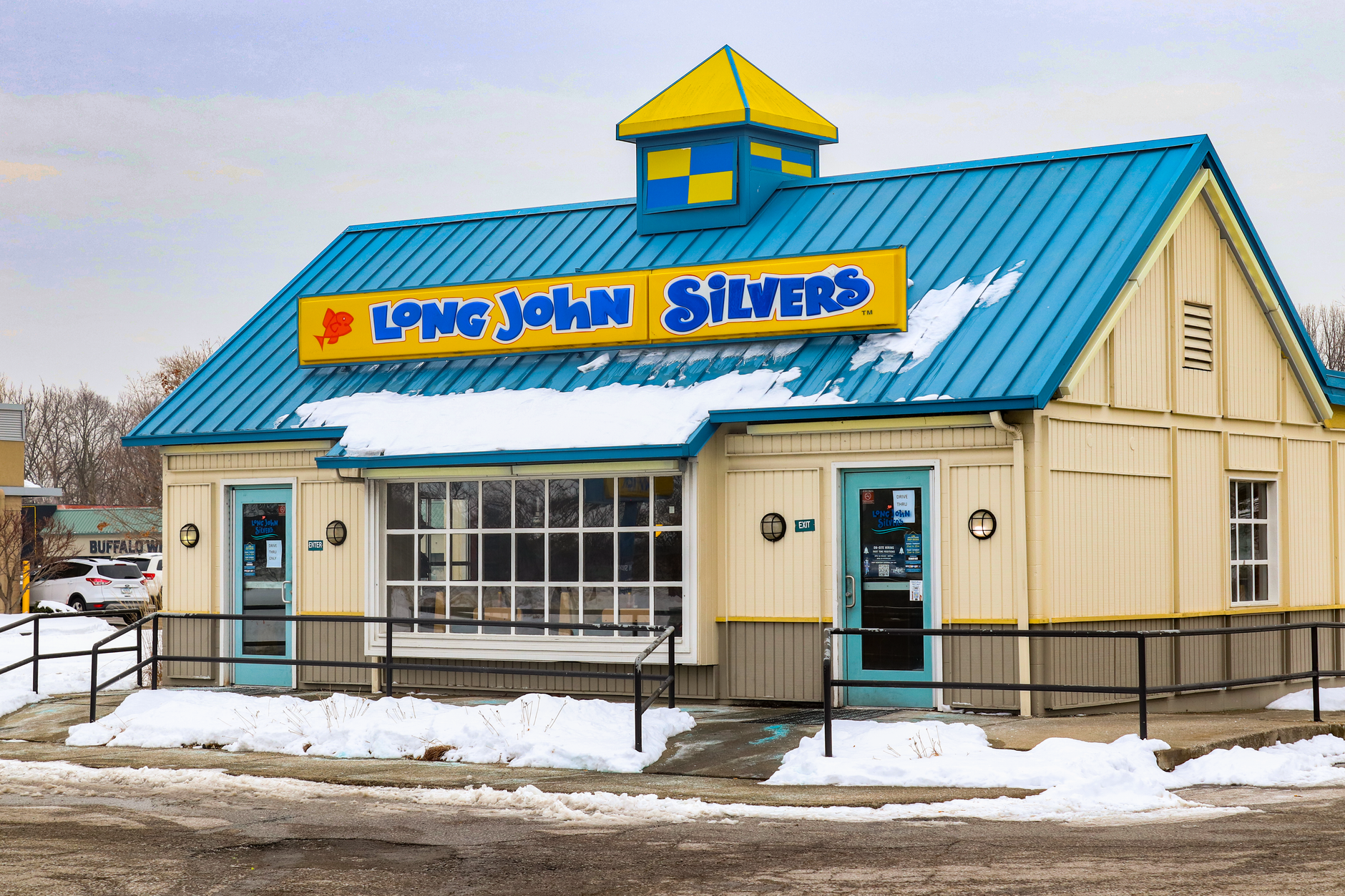
Key points
- Elevated commodity inputs and rising labor costs are eroding quick service profit margins.
- Value-conscious consumers are cutting back on discretionary restaurant spending or shifting to fast casual alternatives.
- Legacy brands lacking digital order infrastructure face severe competitive disadvantages against modern operators.
- Tighter capital markets and franchisee debt loads are driving a wave of store closures and Chapter 11 reorganizations.
The fast food sector is undergoing a massive financial recalibration as shifting consumer spending habits and persistent inflationary pressures reshape the quick service dining landscape. Major restaurant operators across the United States are facing severe balance sheet strain, leading to corporate restructurings, strategic branch sell-offs, and unexpected bankruptcy filings. Reporting from MSN and TheStreet highlights how even heritage brands with decades of brand equity are struggling to maintain profitable operations. Rising operational costs combined with a pullback from value-conscious diners have created a challenging environment for regional and national chains alike.
For decades, the standard fast food business model relied on predictable low margins offset by high transactional volume. That delicate math has unraveled over the past three years due to elevated input prices across critical commodities. Beef, poultry, dairy, and packaging supplies have all seen sustained cost increases that outpace historical averages.
At the same time, commercial real estate leases and utility expenses have climbed steadily, squeezing gross margins at the store level. Franchisees and corporate operators have found it increasingly difficult to absorb these cost shocks without passing them directly to the customer.
Labor dynamics have introduced another layer of financial complexity for legacy fast food operators. Mandated minimum wage hikes in key state markets have elevated hourly labor expenses significantly over a relatively short period. While larger corporate conglomerates possess the capital to invest in automated order kiosks and streamlined kitchen workflows, smaller networks and struggling chains lack the liquidity needed for these tech upgrades.
As a result, older brands often operate with higher labor overhead relative to their modern, digitally integrated competitors. This technological divide has accelerated the decline of legacy systems that were slow to modernize their operational infrastructure.
The shift in consumer behavior represents perhaps the most formidable hurdle for legacy brands. Inflation-weary shoppers are increasingly scrutinizing their daily discretionary spending, cutbacks that directly target casual dining and fast food visits. Middle and lower-income households, historically the bedrock of the quick service customer base, are choosing to cook at home or seek out higher value alternatives.
When consumers do decide to dine out, they frequently migrate toward fast casual concepts that offer perceived higher quality ingredients for a marginally higher price point. This trend has left mid-tier fast food chains stranded in an unproductive middle ground.
The structural vulnerability of legacy chains is often amplified by franchisee economics. Many long-standing brands operate on heavily franchised models where independent operators own and manage individual store locations. When corporate management institutes mandatory store remodels, upgraded point-of-sale systems, or aggressive promotional discounting, the financial burden falls heavily on these independent operators.
Franchise networks carrying high debt loads from previous expansions are particularly susceptible to systemic failure. When a critical mass of store owners faces cash flow shortfalls, the entire corporate infrastructure risks collapse.
Recent filings in federal bankruptcy courts reveal a clear pattern of quick service operators seeking Chapter 11 protection to renegotiate unviable leases and shed non-performing assets. In many instances, these reorganizations result in substantial store closures across prime markets, permanently altering the physical footprint of familiar brands. Industry analysts note that Chapter 11 is no longer merely a tool for operational tuning; it has become a necessary exit strategy for chains that failed to adapt to post-pandemic consumer realities. The loss of nostalgic dining icons underscores the brutal efficiency of today's retail food market.
COMPETITOR ADAPTATION AND THE FUTURE MARKET
While legacy operators face contraction, nimble modern brands are expanding their footprint by adopting lean operational frameworks. Top-performing quick service concepts are prioritizing drive-thru efficiency, dedicated mobile pickup lanes, and streamlined menus that minimize food waste and preparation times. By focusing heavily on digital loyalty programs, these agile competitors retain direct marketing channels to their most profitable customers. The stark divergence in performance between modern digital-first chains and aging brick-and-mortar networks illustrates how rapidly the competitive standard has evolved.
Financial institutions and private equity firms that historically funded fast food expansions are exercising far greater scrutiny. Lenders are demanding higher debt service coverage ratios and stricter operational metrics before extending credit for new store construction or major renovations. This tighter capital market makes it extraordinarily difficult for distressed chains to secure the turnaround capital required to update their stores and marketing. Without access to fresh liquidity, legacy brands often find their strategic options limited to liquidation or distressed asset sales.
The ongoing wave of restaurant restructuring means consumers will continue to see store closures and altered landscapes in their local commercial corridors. Popular menu items and nostalgic regional chains may disappear entirely as parent companies consolidate operations around high-margin locations. For the average diner, the era of cheap fast food has largely drawn to a close, replaced by dynamic pricing and digital-only rewards structures designed to maximize margin per ticket.
To navigate these changes, consumers should leverage digital loyalty applications to access targeted discounts and promotional offers that are no longer available at the physical register. Tracking restaurant performance trends can also help diners anticipate local store closures before gift cards or loyalty rewards expire. As the quick service industry continues its rapid consolidation, managing personal dining budgets will require greater flexibility and attention to value trends across both fast food and grocery alternatives.
Sources and methodology
Reported from the public datasets below.
More from the Foodie Pundit Newsroom
- Fast Food Landscape Shifts as Legacy Chains Face Widespread Closures
- Legacy Casual Dining Chain Cuts 28 Locations Amid Escalating Operational Overhead
- Casual Dining Collapse Ends Operations for Legacy Restaurant Chain Nationwide
- Miso Chocolate Tarts Lead New Wave of Savory Dessert Innovation
- The Economics of Viennoiserie: How Professional Bakers Decoded the Science of Home Pastry