Luxury Ingredients and Regional Flavors Drive Kuala Lumpur Spring Dining Overhauls
High-end dining venues in Kuala Lumpur are launching seasonal menus featuring luxury ingredients and cross-cultural concepts to boost revenue.
By Foodie Pundit Newsroom - Published - Section: Luxury Dining
Key points
- Kuala Lumpur dining venues are launching seasonal menus featuring black truffles and heritage poultry to increase average check sizes.
- Japanese and Mediterranean cross-cultural concepts are being leveraged to appeal to broader consumer demographics and support shared-plate dining models.
- High-margin beverage programs and artisanal desserts serve as critical revenue drivers to offset rising labor and operational costs.
- Seasonal updates align with regional tourism recovery, encouraging repeat visits from local regulars and international travelers alike.
KUALA LUMPUR - The mid-year culinary window in Southeast Asia is witnessing a sharp strategic pivot among high-end dining venues and luxury hotel restaurants. As reported by Lifestyle Asia Kuala Lumpur, several premier dining establishments across the Malaysian capital have rolled out ambitious menu overhauls designed to capture shifting consumer preferences. These updates reflect broader macroeconomic trends within the hospitality sector, where rising ingredient costs and heightened diner standards are pushing operators toward premium seasonal offerings and specialized regional concepts.
For restaurant group executives and executive chefs, the launch of major seasonal menus serves as a vital economic lever. Bringing high-ticket ingredients such as black truffles, cured meats, and specialized poultry breeds to the table allows venues to justify higher average check sizes while maintaining margins. The current wave of dining updates highlights a broader push across urban culinary hubs to blend global luxury items with traditional regional flavors, creating distinct market positioning in a increasingly crowded sector.
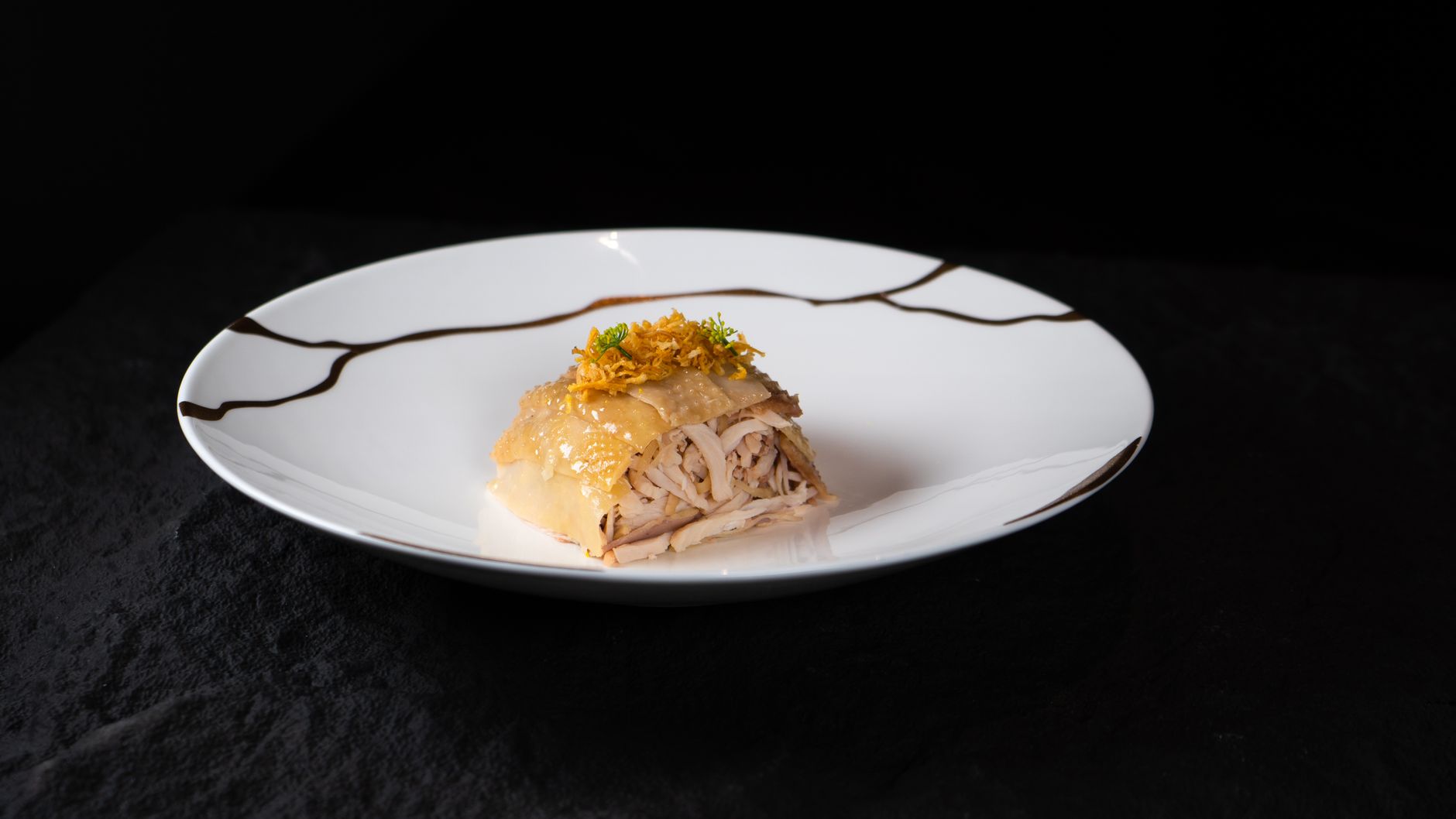
A primary trend emerging from the latest dining releases is the elevation of heritage poultry dishes using luxury toppings. Executive chefs are reworking classic roasted and braised chicken recipes by pairing them with imported black truffles, truffle butter reductions, and rich aromatic oils. This strategy allows operators to transform accessible comfort foods into premium main courses, driving higher profitability per table.
Industry observers note that poultry-centric menu updates represent a calculated move by operational teams seeking to mitigate volatile beef and seafood import costs. By pairing domestically sourced or high-grade regional chicken with localized quantities of expensive European truffles, kitchen managers balance overall food costs while delivering a high perceived value to guests. The resulting dishes appeal both to traditional local palates and to international travelers seeking elevated dining experiences.
FUSION CONCEPTS DRIFT TOWARD JAPANESE AND MEDITERRANEAN INFLUENCES
Beyond premium proteins, the current dining rollout heavily features cross-cultural menu design, with Japanese and Mediterranean techniques leading the market. Modern bistros and hotel dining rooms are introducing small plates that incorporate Japanese dashi, miso, and raw fish preparations alongside Mediterranean olive oils, citrus, and wood-fired elements. This hybrid approach caters to modern diners who prioritize lighter, flavor-forward dishes during warm weather months.
Restaurant analysts point out that multi-concept dining lowers operational risk for large venues. By offering diverse culinary influences under one roof, operators capture broader consumer demographics and encourage shared-plate dining dynamics. Shared plates generally correlate with increased beverage sales and higher overall spending per party, providing crucial support to restaurant balance sheets navigating post-pandemic inflationary pressures.
ARTISANAL DESSERTS AND SPECIALTY COCKTAILS DRIVE EXTRA REVENUE
The strategic overhaul of menus extends beyond savory courses into high-margin beverage and pastry programs. The latest seasonal additions showcase intricate dessert creations utilizing local tropical fruits, valrhona chocolate, and technical pastry methods like spherification and smoked infusions. These high-concept desserts are explicitly designed to capture social media attention, providing organic marketing reach for the hosting venues.
Simultaneously, mixology programs across Kuala Lumpur are leaning into botanical ingredients, clarified spirits, and low-proof aperitifs. Beverage directors are increasingly designing drink pairings that match the specific flavor profiles of new seasonal menus, incentivizing guests to order full multi-course pairings rather than individual standalone drinks. High-margin cocktail programs remain essential for offsetting rising labor and utility expenses across the global food service industry.
THE IMPACT OF TOURISM RECOVERY ON DINING STRATEGIES
The timing of these high-end menu drops aligns directly with regional travel patterns across Southeast Asia. As international business travel and leisure tourism return to stable baseline levels, luxury hotels and destination restaurants must continually refresh their identity to maintain high occupancy in their dining rooms. Seasonal menu drops create necessary urgency, encouraging repeat visits from local regular patrons while establishing top-of-mind status for visiting tourists.
Hospitality groups that invest early in menu innovation typically gain a competitive edge in capture rates among high-net-worth consumers. The integration of exclusive culinary events, guest chef appearances, and limited-time menu rollouts allows operators to test new concepts before committing to permanent menu changes. This iterative process helps mitigate financial risk while keeping the brand relevant in competitive food media channels.
For the daily consumer and avid food enthusiast, these high-end menu updates mean expanded access to sophisticated dining experiences across the city. Dynamic menu changes allow guests to explore global culinary trends, premium ingredients, and elevated cooking techniques without leaving their local market. However, diners should also anticipate higher average check totals, as menus featuring seasonal luxury items like truffles reflect overall price adjustments across the fine dining landscape.
Understanding these menu shifts helps consumers make more informed choices when planning business dinners, special celebrations, or casual weekend outings. Seeking out limited-time seasonal offerings ensures access to fresh ingredients at their peak culinary quality, maximizing the value of your dining expenditure. As competitive dynamics continue to shape the regional food scene, diners can expect ongoing innovation and increasingly diverse choices across all market segments.
Sources and methodology
Reported from the public datasets below.
More from the Foodie Pundit Newsroom
- New York Michelin Guide Release Triggers Economic Shift Across Regional Dining Scene
- The Michelin Surge: How 30 New Starred and Bib Gourmand Spots Shape New York Dining Economics
- Chef Ankit Redefines Regional Indian Gastronomy for Global Diners
- Supermarket Sticker Shock Persists as Retail Food Prices Maintain Upward Momentum
- Manhattan Oldest Diner Evicted as Legacy Commercial Rent Pressures Mount