Maman's Ambitious NYC Blueprint: A Deep Dive Into The French Cafe's Expansion Strategy
The beloved French cafe and bakery, known for its rustic charm and viral Nutty Chocolate Chip Cookie, is executing a significant and calculated expansion across
By Foodie Pundit Newsroom - Published - Updated - Section: Coffee Cafes
Key points
- Maman leverages a diversified revenue model, moving beyond coffee to include high-margin food, merchandise, and catering to drive profitability.
- The company uses a data-driven approach for site selection, targeting affluent neighborhoods with demographics that match its ideal customer profile of young professionals and families.
- A centralized commissary kitchen is key to its operational strategy, ensuring product consistency and quality across all locations while improving efficiency.
- Maman's growth is heavily fueled by a savvy, cost-effective digital marketing strategy, using its highly photogenic stores and products to generate organic social media buzz.
- Despite its success, Maman faces challenges related to maintaining its boutique feel during rapid scaling, high operational costs, and intense competition in the premium cafe market.
NEW YORK-In the competitive landscape of New York City's cafe culture, where businesses vie for the attention of discerning coffee drinkers and pastry aficionados, Maman has carved out a distinct and beloved niche. With its signature rustic French provincial aesthetic, a menu of comforting classics, and a social media-savvy approach, the cafe has grown from a single SoHo location in 2014 to a multi-city phenomenon. Now, the company is embarking on its most ambitious expansion yet within the five boroughs, a strategic move that warrants a closer look at the economics and operational strategy behind the brand's growth.
The initial report of this expansion, first noted by local blog "I Love The Upper West Side," highlighted the community's excitement for a new neighborhood location. That excitement speaks to the powerful brand loyalty Maman has cultivated. But behind the floral-print cups and vintage decor lies a sophisticated business model designed for scalable growth. This expansion is not merely about opening more stores; it is a calculated effort to solidify Maman's position as a dominant player in the city's premium cafe market, leveraging data-driven site selection, a diversified revenue strategy, and a deep understanding of its target demographic.
Founded by Elisa Marshall and Benjamin Sormonte, Maman was conceived as an extension of their home, a place for gathering and community. This ethos has been central to its success. Each location, while part of a larger brand, is designed with unique touches that make it feel like a neighborhood spot rather than a faceless chain. This careful balance of brand consistency and local personalization is a key pillar of its expansion strategy, allowing it to integrate into diverse neighborhoods from Cobble Hill to the Upper East Side without diluting its core identity.
To understand Maman's expansion, one must first understand the financial mechanics of a high-end cafe in New York City. The costs are substantial. Prime retail space can command rents exceeding $200 per square foot annually.
Build-out costs, especially for Maman's custom, antique-filled interiors, can run into the hundreds of thousands of dollars per location. Add to this the high cost of labor in the city and the rising price of quality ingredients, from premium coffee beans to Valrhona chocolate.
Success in this environment requires high-volume sales and strong profit margins. Maman achieves this through a multi-pronged revenue model. While coffee is a core offering, the true financial engine is its bakery and food program.
A simple cup of drip coffee might have a healthy margin, but it is the $5 Nutty Chocolate Chip Cookie, the $16 Croque Maman, and the catering orders for events that drive average check sizes higher. A customer might come for a coffee but is easily tempted by a pastry, a sandwich, or a piece of branded merchandise, significantly increasing their total spend.
This diversified offering is critical. It moves Maman beyond the category of a simple coffee shop into the more lucrative "cafe and lifestyle brand" space. The sale of cookbooks, branded apparel, and home goods provides a high-margin revenue stream that is not dependent on daily foot traffic. This brand extension creates a virtuous cycle: the lifestyle products deepen the customer's connection to the brand, encouraging more frequent visits and purchases.
Maman's choice of new locations is far from random. The company employs a data-centric approach to real estate, analyzing a combination of demographic data, foot traffic patterns, and neighborhood psychographics. Its target customer is typically a millennial or Gen X professional, often female, with disposable income and an appreciation for aesthetics and quality. The brand's expansion footprint mirrors the city's affluent and gentrifying neighborhoods.
The focus on areas with a high density of young families and professionals is intentional. These customers are not just seeking a caffeine fix; they are looking for a "third place" between home and work. They use the cafes for parent-and-me outings, freelance work sessions, and social gatherings. The large communal tables and welcoming atmosphere at many Maman locations are specifically designed to cater to this need, fostering longer dwell times and repeat business.
The partnership with other brands and institutions is another strategic element of its location planning. Pop-up locations and partnerships, like its past collaboration with the retailer Club Monaco, allow Maman to test new markets with minimal capital outlay. Its presence in transport hubs and corporate centers taps into a captive audience of commuters and office workers, a segment with a different but equally valuable spending pattern.
A rapid multi-store expansion presents significant logistical challenges. Maintaining quality and consistency across dozens of locations is paramount. A single bad experience at one cafe can tarnish the brand's reputation across the entire portfolio. Maman has addressed this by investing in a centralized production model for its bakery items.
A commissary kitchen, or "Maman Marché," likely prepares and distributes doughs, batters, and other key components to individual stores. This ensures that a croissant on the Upper West Side has the same quality and flavor profile as one in SoHo. The final baking and assembly happen on-site, preserving the sense of freshness and the enticing aroma of a working bakery, but the centralized prep work de-risks the execution and reduces the need for highly specialized pastry chefs in every single location.
This hub-and-spoke model is crucial for efficiency. It allows for bulk purchasing of ingredients, leading to better pricing from suppliers. It also streamlines training and simplifies kitchen operations at the store level, enabling the company to hire and onboard staff more quickly to support its growth. The supply chain for its high-quality coffee, sourced and roasted to its specifications, follows a similar centralized logic to ensure every latte meets brand standards.
Maman's growth is inextricably linked to its mastery of social media, particularly Instagram. The cafes are, by design, highly photogenic. From the blue-and-white patterned cups to the artfully arranged pastries and floral-adorned interiors, every element is crafted to be shared online. This turns every customer into a potential brand ambassador, generating a constant stream of organic marketing content.
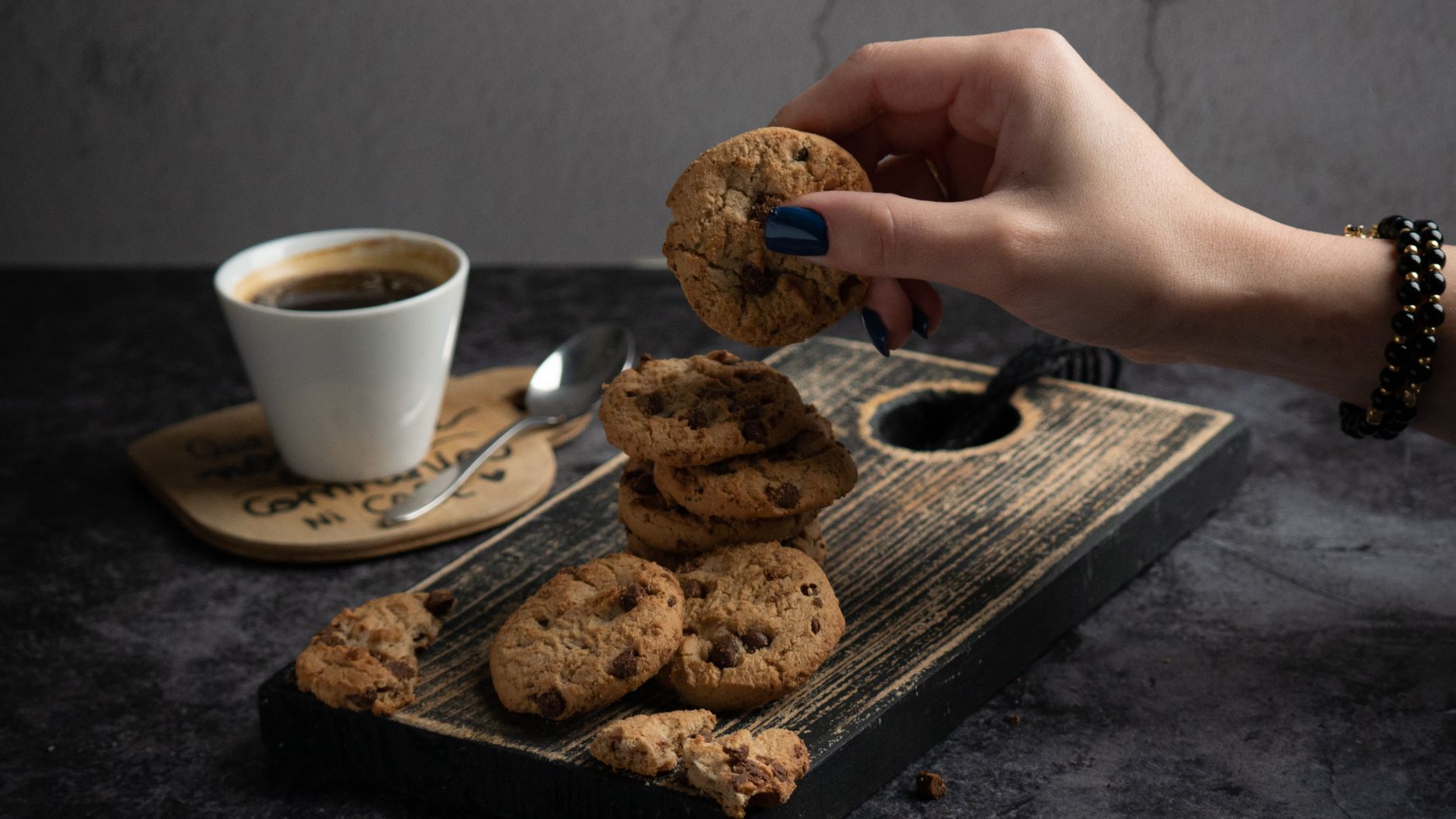
The "viral" success of its Nutty Chocolate Chip Cookie, famously endorsed by Oprah Winfrey, was a watershed moment. It demonstrated the power of a single, iconic product to drive mass awareness and foot traffic. The company has skillfully leveraged this, creating a halo effect where customers come for the famous cookie but stay to discover the rest of the menu. This digital-first marketing strategy is far more cost-effective than traditional advertising, allowing the brand to allocate more capital toward real estate and store build-outs.
This online presence also provides a direct channel for customer feedback and data collection. By monitoring social media trends and online reviews, the company can quickly identify popular menu items, service issues, and emerging consumer preferences, allowing for agile adjustments to its strategy. It is a real-time focus group that informs everything from menu development to the design of future locations.
Despite its success, Maman's expansion is not without risks. The New York City food and beverage market is notoriously fickle. High rents and intense competition mean that even established brands must constantly innovate to stay relevant. Maman faces competition not only from other premium coffee chains like Blue Bottle and La Colom
Here is our own number, for whatever the headlines are doing. Across 18,982 menu readings we logged in 387 cities, the middle price for a restaurant plate sits at $9.00. We logged those prices ourselves, so that middle number is the one we trust over any average quoted elsewhere.
Sources and methodology
Reported from the public datasets below.
More from the Foodie Pundit Newsroom
- Atelier Crenn Signals Fine Dining Paradigm Shift with New Culinary Direction (2026-10-07)
- Sustainable Viticulture Reshapes Restaurant Wine Programs and Freight Economics
- Grocery Prices Post Sharpest Monthly Increase Since 2022 as Analysts Warn of Further Surges
- Green Glass: How Restaurants Are Revamping Wine Lists for Sustainability and Profit
- Dominique Crenn dit bye-bye to Michelin stars at Atelier Crenn