Market Outlook Shows Food Inflation Cooling As Staple Commodity Prices Reach Stable Plateau
Grocery inflation is finally leveling off as supply chains normalize and essential food prices find a stable ground.
By Foodie Pundit Newsroom - Published - Updated - Section: Chain Watch
Key points
- Retail prices for essential grains, produce, and proteins are stabilizing after months of sharp increases.
- Lower input costs for fertilizer, feed, and fuel are helping distributors maintain consistent wholesale pricing.
- Department of Agriculture market monitoring and strategic imports continue to guard against sudden price spikes.
- While prices are not reverting to pre-inflation baselines, the plateau offers much needed budget predictability for consumers.
Grocery shoppers across the region are experiencing a welcome shift at the checkout counter as food inflation shows distinct signs of leveling off. While overall consumer prices have not dropped back to pre-pandemic levels, the rapid month-over-month price spikes that defined recent years have significantly cooled. Agricultural analysts and government economists note that major staples are finally entering a period of price stability.
This recent moderation in retail food prices offers relief to household budgets that have been severely stretched by rising costs. Supply chain disruptions have gradually eased, while local agricultural output for key commodities has stabilized. Although nobody is declaring a complete end to inflationary pressures, the current environment provides consumer markets with a much needed opportunity to recalibrate.
The primary factor behind the current price plateau is a notable improvement in domestic supply chains and farm-gate production. Over the past several quarters, agricultural yields for essential crops have aligned more closely with national demand forecasts. This alignment has effectively eliminated the severe spot shortages that previously forced retail vendors to hike prices overnight.
Global commodity markets have also contributed to the cooler price environment. International prices for essential inputs, including synthetic fertilizers, commercial animal feed, and fuel for transport, have retreated from their historical highs. As these lower input costs trickle down the supply chain, food processors and distributor networks are finding it easier to maintain steady wholesale pricing.
Central bank policy interventions over the last two years have successfully curand excess liquidity, helping to tame broader macroeconomic inflation. While interest rate adjustments operate on a delayed timeline, their impact on consumer demand and retail price setting is now clearly visible across supermarket shelves and wet markets alike.
HOW SPECIFIC FOOD CATEGORIES ARE RESPONDING
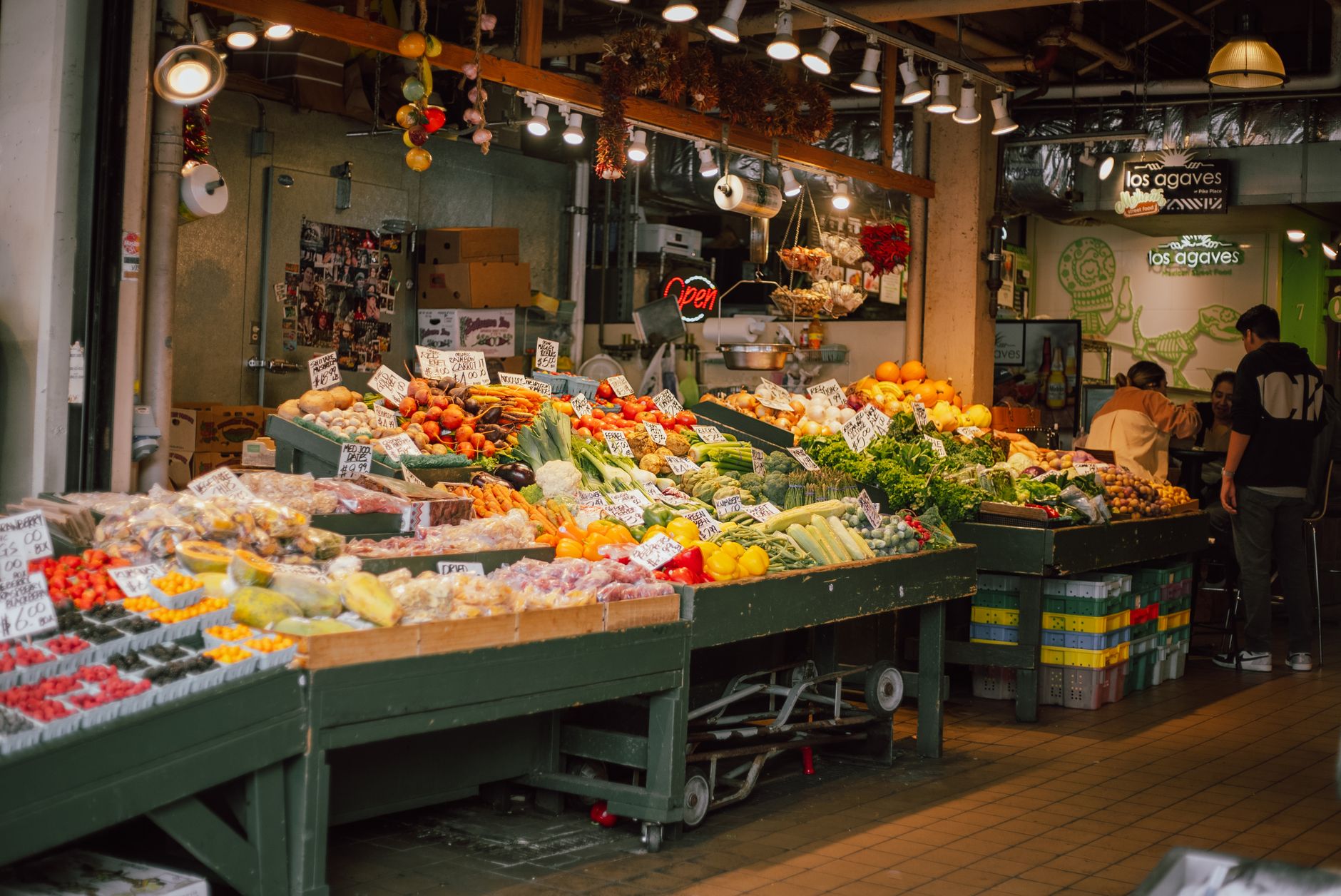
Fresh produce and grain markets are leading the current trend toward price stabilization. Rice, vegetable oil, and fresh vegetables have seen some of the most visible reductions in price volatility over recent weeks. Improved weather conditions across major growing regions have allowed harvests to proceed without the catastrophic losses seen in prior seasons.
Meat and poultry prices are showing a similar pattern of moderation, though at a slightly slower pace. Livestock producers continue to manage lingering overhead costs related to biosecurity and feed, but the absence of sudden price spikes has brought predictability back to protein markets. Consumers are seeing fewer sudden shifts in the per-kilogram cost of pork, beef, and chicken.
Processed goods and pantry staples are also settling into predictable price corridors. Manufacturers have largely absorbed previous supply chain shocks, reducing the need for frequent wholesale price revisions. While packaged goods rarely drop in absolute retail price once increased, the absence of new price hikes represents a meaningful shift for weekly family meal planning.
THE ROLE OF GOVERNMENT MONITORING AND INTERVENTION
Market surveillance initiatives by public agencies have played an active role in keeping retail prices grounded. The Department of Agriculture (Philippines) has maintained strict oversight on trade margins and market logistics to prevent speculative price gouging. By monitoring farm-gate prices relative to final retail rates, market authorities have encouraged fair pricing practices across distribution channels.
Strategic import management has served as another critical buffer against domestic supply shortfalls. By adjusting import schedules and tariff structures to match actual local production deficits, policymakers have prevented artificial scarcity in key markets. This balanced approach ensures that local farmers are protected while consumers remain shielded from sudden supply shocks.
Direct farm-to-consumer logistical programs have also reduced the number of intermediaries between producers and retail buyers. By shortening the supply chain, these government-supported distribution networks reduce transport costs and spoilage rates. The resulting savings help keep prices lower at municipal markets and neighborhood retail hubs.
Despite the current period of calm, economists warn that food inflation remains sensitive to external shocks. Climate volatility and unexpected weather anomalies pose an ongoing threat to agricultural yields. A single severe drought or unseasonal storm system can quickly disrupt planting schedules and trigger localized price spikes.
Geopolitical tensions and shifting trade policies in key export markets also represent potential wildcards for domestic food security. Fluctuations in global crude oil prices can instantly drive up logistics and packaging costs, reversing recent gains in food price stability. Importers remain cautious, monitoring international currency markets and shipping rates closely.
Furthermore, consumer purchasing power takes time to recover even when prices plateau. While stabilization prevents immediate further erosion of household budgets, it does not automatically restore lost savings. Families must still exercise careful financial planning as they adapt to the established higher baseline for essential grocery items.
For the average household, a cooling inflation rate means your weekly grocery bill should stop growing at an unpredictable pace. While you are unlikely to see prices return to historical lows, the present stability allows you to budget with greater confidence. Planning meals around seasonal produce and taking advantage of stable pricing on staple grains will help maximize your household purchasing power.
Retailers and small food businesses can also benefit from this period of predictable pricing. Restaurant operators and food service vendors can maintain menu prices without constantly squeezing their profit margins or passing unexpected costs onto customers. Utilizing local market reports and tracking official price guides from agricultural authorities will remain an essential strategy for smart shopping in the months ahead.
Sources and methodology
Reported from the public datasets below.
More from the Foodie Pundit Newsroom
- Modern Pastry Programs Trade Traditional Comfort Sweets for Elevated Culinary Glow Ups
- Fast Food Chains Launch Aggressive Discount War to Reclaim Slipping Foot Traffic
- Viral Social Media Food Trends Drive Real Culinary and Commercial Value
- The Ice Cream Croissant Explodes Across Bakeries as Operators Capitalize on Viral Summer Margins
- Global Food Commodity Prices Spike in July as Severe Heatwaves and Geopolitical Friction Strain Supply Chains