May Menu Drops Signal Shift Toward Luxury Comfort in Southeast Asian Fine Dining
Top-tier dining venues across Kuala Lumpur are rolling out mid-year seasonal dishes that combine luxury ingredients with high-margin menu engineering.
By Foodie Pundit Newsroom - Published - Section: Luxury Dining
Key points
- High-end dining establishments are introducing targeted mid-year menu drops featuring truffles, elevated poultry, and wild-caught seafood.
- Restaurants are using high-margin luxury accents on accessible proteins to counter rising supply chain and labor costs.
- Limited-time offerings are successfully driving mid-week foot traffic and boosting social media engagement for urban venues.
The fine dining landscape in Southeast Asia is undergoing a significant refresh as major culinary capitals introduce seasonal menu updates for the middle of the year. In centers like Kuala Lumpur, operators are shifting away from heavy comfort foods and leaning into luxurious ingredients, hyper-local produce, and technical fusion. The latest round of menu drops reflects a broader economic pivot within the high-end food service sector. High-end establishments are seeking to justify elevated price points through premium additions like imported truffles, aged meats, and complex fermentation techniques.
According to reporting by Lifestyle Asia Kuala Lumpur, regional diners are showing a marked preference for limited-time offerings that blend familiar comfort profiles with high-value accents. The featured culinary additions for May demonstrate how top chefs are balancing consumer demand for indulgence against rising operational and ingredient supply costs. By introducing targeted, high-margin dish upgrades rather than full menu overhauls, restaurants are successfully driving higher average check sizes while maintaining steady patron interest in a competitive post-holiday market.
EXOTIC FLAVORS AND PREMIUM INGREDIENTS LEAD NEW MENUS
The primary trend defining this month's restaurant releases is the strategic integration of luxury items into accessible, classic formats. Poultry dishes in particular have received major upgrades, with chefs opting for black truffle infusions, house-cured pan-juices, and artisanal butter basting techniques. By elevating everyday proteins like chicken, culinary directors can manage baseline food costs while charging a premium for the added luxury component. This approach allows kitchens to capture solid margins without alienating patrons who might balk at expensive cuts of imported beef.
Beyond premium poultry, seafood offerings across top-tier venues are emphasizing wild-caught regional species paired with imported citrus and specialized oil infusions. Chefs are utilizing cold-chain logistics improvements across Malaysia and neighboring hubs to source raw ingredients at peak freshness. Diners are responding favorably to lighter, acid-forward seafood preparations that contrast with the richer, fat-heavy dishes typically featured during earlier winter and spring holiday cycles.
STRATEGIC MENU DYNAMICS AND CONSUMER PSYCHOLOGY
Restaurant operators are carefully calibrating the release of these seasonal dishes to maximize social media engagement and foot traffic. Limited-time menu additions create a sense of urgency among food enthusiasts, prompting quicker booking turnaround times. According to market observations, establishments that launch curated seasonal items experience a temporary boost in mid-week reservations, which historically represent the hardest time slots to fill for urban upscale venues.
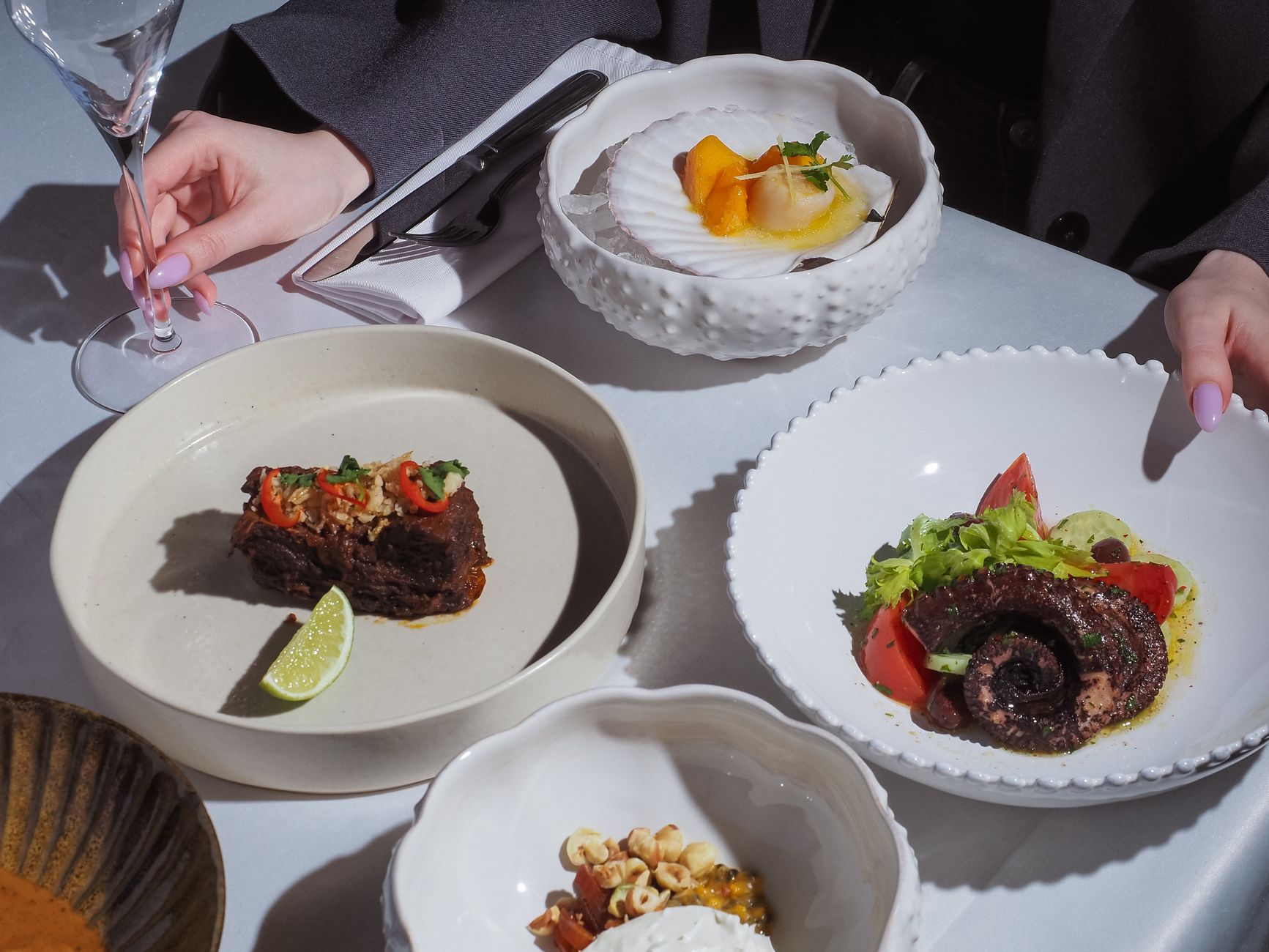
The visual presentation of May's new dish offerings also underscores the growing importance of online shareability in driving venue revenue. Chefs are designing plates with striking color contrasts, unique table-side pouring elements, and distinct plating height to encourage organic diner promotion. This organic digital marketing cycle reduces direct advertising spend for venues while continuously feeding consumer curiosity about new taste experiences.
SUPPLY CHAIN REALITIES AND INFLATIONARY PRESSURES
Behind the artful presentation lies a complex economic landscape defined by shifting ingredient costs and import duties. Kitchens are facing higher costs for imported dairy, specialty mushrooms, and foreign wines. To maintain profitability, operators are relying heavily on local sourcing for secondary components, reserving expensive imported products for high-impact accents. This hybrid sourcing strategy enables establishments to preserve margins while still delivering the luxury experience that affluent diners demand.
Furthermore, kitchen labor constraints continue to influence menu architecture across the hospitality sector. Many of the new dishes featured this month utilize cross-utilized components and prepared bases that streamline line execution during busy dinner service. By minimizing the number of unique prep steps required per dish, operators can maintain consistency and speed of service even when working with leaner kitchen teams.
The conceptual framework behind May's dish releases also highlights the maturing nature of Asian fusion cuisine. Rather than simply combining disparate ingredients from Eastern and Western traditions, contemporary chefs are focusing on deep technical synthesis. Traditional smoking techniques, local herb infusions, and heritage spice blends are being applied to classical European cooking foundations, resulting in nuanced flavor profiles that appeal to both local gourmands and international visitors.
This technical evolution is particularly evident in the dessert and beverage programs accompanying the main food releases. Pastry chefs are incorporating savory elements like local soy sauce reductions, toasted sesame, and salted fruit preserves into classic Western pastry structures. Meanwhile, mixology programs are pairing these new food items with low-ABV cocktails and botanical teas that match the high acid and rich profiles of the seasonal food items.
For everyday diners and food enthusiasts, these new seasonal releases mean higher quality options and more creative culinary concepts when dining out this month. While prices for premium, truffle-laden or seafood-centric dishes remain elevated, the strategic use of high-end ingredients in accessible formats allows guests to sample luxury dining without committing to full multi-course tasting menus. Diners can expect to see more limited-run menu drops throughout the summer as restaurants continue testing creative concepts on a rolling basis.
If you plan to visit these venues to try the latest releases, booking early in the week or securing reservations well in advance is highly recommended. Limited-time dishes often run out early during peak weekend shifts due to tight inventory management by kitchens avoiding waste. By staying informed about seasonal menu cycles, consumers can better navigate restaurant options, maximize their dining budgets, and enjoy the very best culinary innovations available in the market today.
Sources and methodology
Reported from the public datasets below.
More from the Foodie Pundit Newsroom
- New York Restaurants Face Sudden Operational Surge After Securing Michelin Stars
- How Nostalgia Became a High-Margin Engine for Restaurants and Food Brands
- Regional Dining Hotspots Launch Seasonal Menu Refreshes Focus on Premium Ingredients
- Independent Restaurants Squeezed as Frontline Labor Shortage Persists
- McDonalds Restores McRib to Regional Menus as Fast-Food Value Wars Intensify