May Restaurant Drops Highlight Premium Ingredients and Strategic Menu Engineering
Southeast Asian operators are leveraging high-margin comfort foods and limited-time culinary drops to boost mid-year check averages.
By Foodie Pundit Newsroom - Published - Section: Restaurants
Key points
- Operators are utilizing luxury ingredients like truffles on accessible proteins to expand profit margins.
- Cross-border fusion dishes help regional kitchens manage supply chain costs while driving consumer interest.
- Integrated beverage pairings remain a crucial component for maximizing check averages during menu drops.
- Tight inventory control and menu engineering allow venues to offer elevated dining experiences without full retooling.
MAY RESTAURANT MENU DEBUTS SIGNAL PREMIUMIZATIONS ACROSS SOUTHEAST ASIAN DINING
The Southeast Asian casual and fine dining sectors are entering the mid-year promotional calendar with a distinct shift toward high-margin luxury ingredients and cross-regional fusion concepts. According to market coverage from Lifestyle Asia Kuala Lumpur, prominent dining establishments across Malaysia are refreshing their seasonal menus this May with aggressive product drops. These new offerings emphasize premium poultry, specialized seafood preparations, and global culinary crossovers.
Industry analysts observe that restaurant operators are utilizing targeted menu refreshes to stimulate demand during an otherwise quiet transitional period between major holiday quarters. By introducing limited-time items featuring ingredients such as black truffles, aged cuts, and artisanal sauces, venues are driving up average check sizes while maintaining steady operational margins. This strategy allows operators to capture high-spending consumers seeking novel culinary experiences without incurring the costs associated with full menu overhauls.
THE STRATEGIC USE OF LUXURY INGREDIENTS IN MID-SEASON MENUS
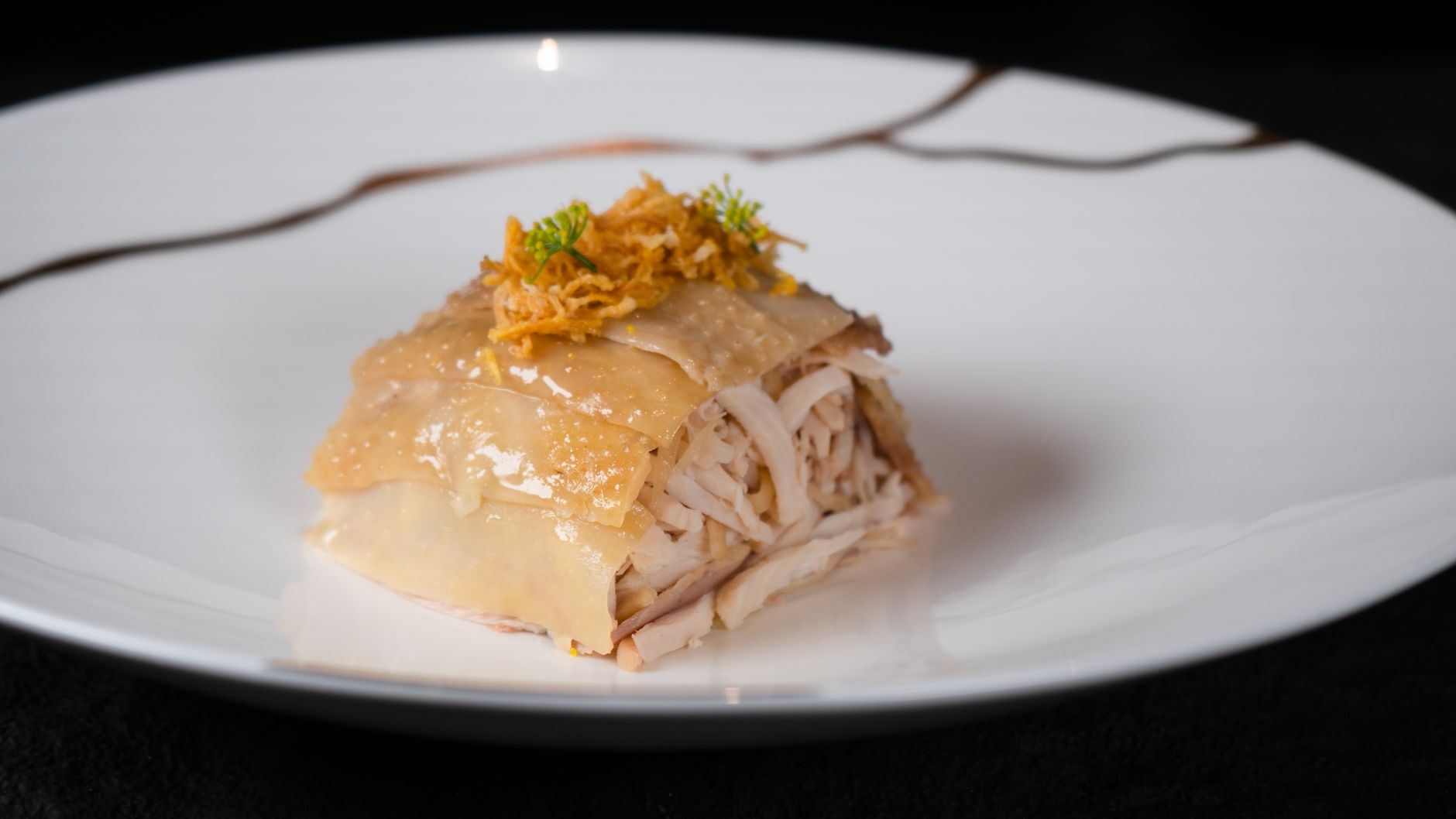
The introduction of truffle-infused chicken preparations serves as a prime case study in current menu engineering strategies. While truffle oil and shaved fresh truffles have long been staples in high-end Italian and French dining rooms, casual and upper-midscale establishments are increasingly integrating these luxury flavor profiles into accessible protein formats. Poultry, which maintains a lower baseline food cost compared to beef or specialty seafood, provides an ideal canvas for high-margin flavor embellishments.
Restaurateurs are leveraging this cost structure to price new menu items at a premium while preserving favorable gross margins. Consumers perceive substantial value in elevated comfort food, making dishes like truffle chicken an effective tool for boosting kitchen throughput. This trend aligns with broader global dining behaviors, where diners demonstrate a higher willingness to spend on everyday luxury items over full scale multi-course tasting menus.
FUSION CONCEPTS AND REGIONAL INGREDIENT SOURCING
Beyond luxury comfort foods, the May menu releases highlight a continued reliance on cross-border culinary innovation. Regional chefs are combining indigenous Southeast Asian spices with Western cooking techniques to create hybrid dishes designed for social media engagement and viral appeal. Incorporating specialized chili pastes, fermentations, and regional aromatics into standard Western bistro formats allows kitchens to maintain familiarity while delivering a distinct taste profile.
This approach also optimizes supply chain logistics for multi-unit operators. By utilizing locally sourced produce and proteins alongside targeted imported delicacies, kitchens can mitigate the impact of fluctuating international freight costs. Dining coverage from Lifestyle Asia Kuala Lumpur indicates that consumers in primary metropolitan markets like Kuala Lumpur are responding positively to these hybrid formats, which balance regional taste preferences with cosmopolitan presentation standards.
BEVERAGE PROGRAMMING AND HIGH-MARGIN COMPLEMENTS
Seasonal menu updates are rarely limited to solid food offerings; integrated beverage strategies play a critical role in overall check profitability. Alongside new food drops, operators are debuting artisanal mocktails, seasonal botanical infusions, and low-proof aperitifs designed specifically to pair with savory menu additions. Beverage programs often carry gross margins exceeding eighty percent, making them essential for offsetting rising labor and utility costs in urban commercial centers.
The alignment of savory, rich dishes with bright, acid-driven beverages creates a balanced dining experience that encourages multi-course ordering. Restaurants that train front-of-house staff to suggest specific beverage pairings with newly launched promotional dishes report higher overall sales conversion rates. This systematic upselling strategy ensures that limited-time menu drops yield maximum return on investment for marketing and product development teams.
OPERATIONAL IMPACT AND SUPPLY CHAIN ADAPTATION
Executing frequent menu updates requires significant operational discipline within commercial kitchens. Restaurant groups must balance the desire for novel menu items with the necessity of speed, consistency, and minimal food waste. Standardizing preparation steps for complex components, such as specialty marinades and infused compound butters, allows kitchen staff to execute high-volume service without degrading quality standards.
Furthermore, managing inventory for seasonal drops demands precise forecasting. Over-purchasing niche ingredients like fresh truffles or seasonal produce can quickly erode profits if sales targets are missed. Successful operators utilize historical point-of-sale data and limited ingredient allocations to generate a sense of exclusivity while maintaining tight inventory controls over high-value inventory lines.
For everyday consumers, the wave of May menu debuts means greater access to luxury flavor profiles at accessible price points within the midscale dining sector. Diners can expect to encounter higher quality ingredients, such as specialty fungi and artisanal sauces, featured prominently on casual menus rather than being restricted to fine dining establishments. However, consumers should also anticipate slightly elevated check totals as restaurants encourage upselling through seasonal pairings and limited-time offerings.
For restaurant operators and hospitality investors, these strategic menu updates highlight the ongoing importance of product innovation in sustaining guest frequency. Utilizing targeted ingredient swaps rather than full menu redesigns allows businesses to manage food costs effectively while capitalizing on current culinary trends. As consumer spending remains selective, the ability to deliver perceived luxury through engineered, cost-effective dishes will remain a primary driver of restaurant profitability.
Sources and methodology
Reported from the public datasets below.
More from the Foodie Pundit Newsroom
- Pastry Hybrid Economics Drive New Revenue at Retail Bakeries
- Independent Restaurants Struggle to Staff Dining Rooms as Labor Pressures Persist
- Whole Foods Proprietary Brands and Prepared Meals Drive Retail Growth
- Big Box Retailers Redesign Digital Grocery Tools to Win Gen Z Shoppers
- Bay Area Casual Dining Anchor Closes Doors After 17 Years of Service