Mcdonald's lost big mac rights in europe to supermacs
A legal challenge by Irish chain Supermacs forces European regulators to narrow McDonald's exclusive control over its flagship brand name.
By Foodie Pundit Newsroom - Published - Updated - Section: Policy Regulation
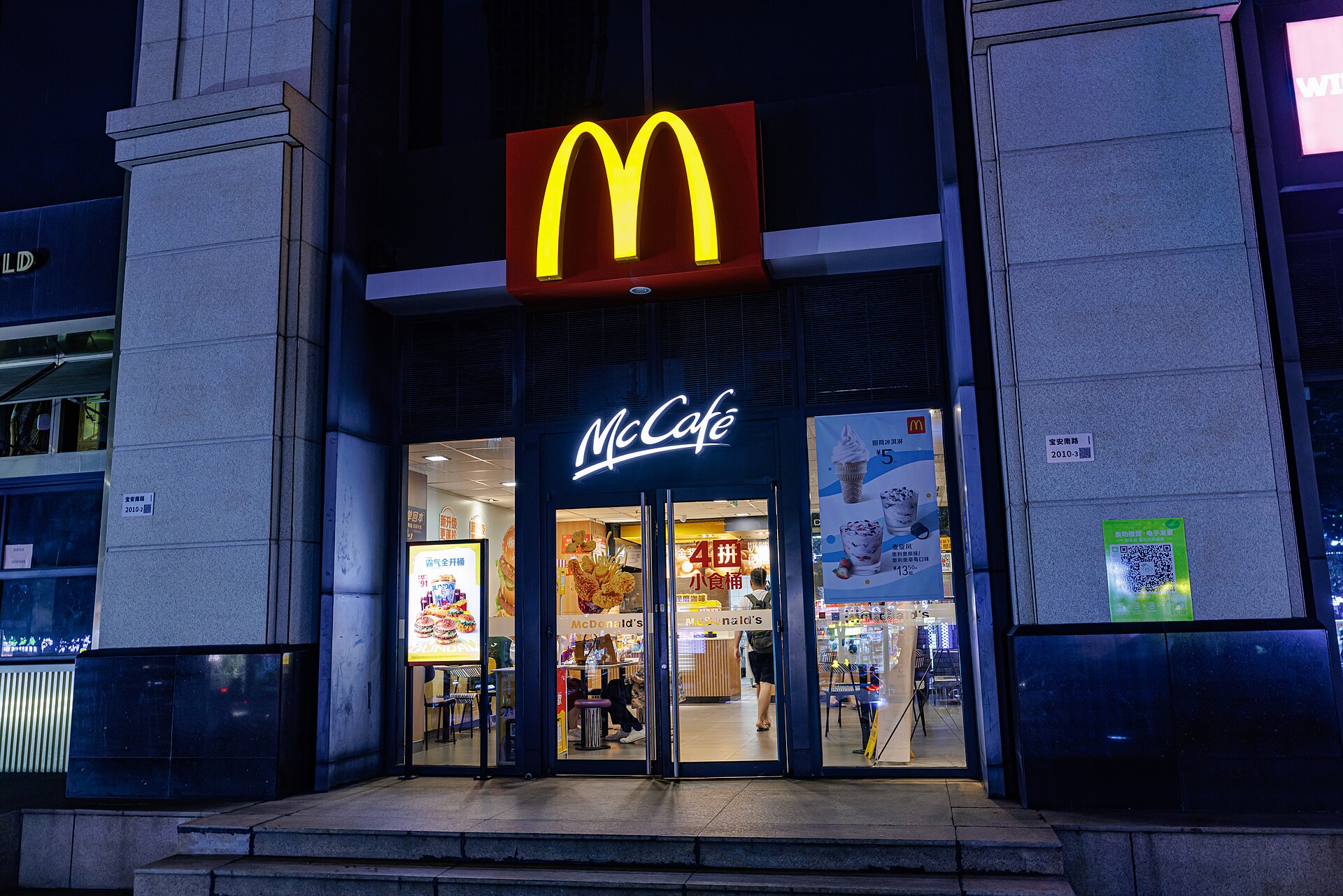
Key points
- European Union regulators revoked McDonald's exclusive Big Mac trademark rights for poultry products and restaurant services.
- Irish chain Supermacs successfully argued that McDonald's failed to prove genuine commercial use of the mark across all registered categories.
- McDonald's retains its trademark protection for classic beef-based Big Mac burgers within the EU.
- The ruling creates a vital legal precedent requiring global brands to maintain verifiable sales records for all registered terms.
The trademark battlefield of international fast food saw one of its most decisive turns recently, as European regulators ruled on a long-simmering dispute between a global giant and an ambitious Irish operator. For decades, multinational brands operated under the assumption that securing broad trademark protections across the European Union provided an impenetrable shield. That legal doctrine faced a severe test when Ireland-based Supermacs challenged the exclusive right of McDonald's to hold European trademark registration over one of the most recognizable product names in modern culinary history, the Big Mac.
The conflict between the two burger chains did not originate over a desire to sell identical products, but rather from a fundamental disagreement about expansion rights. Supermacs, founded in County Galway in 1978, sought to expand its footprint outside of Ireland and open restaurants across continental Europe. McDonald's opposed the move, arguing that the name Supermacs would cause consumer confusion with its own established brand identity and trademarked terms. In response, the Irish chain filed a cancellation request with the European Union Intellectual Property Office, arguing that McDonald's had not put its registered trademarks to genuine commercial use for certain product categories over a continuous five-year period.
UNDERSTANDING THE INTELLECTUAL PROPERTY BATTLE
Under European Union trademark law, registering a term is not a permanent guarantee of ownership. A trademark holder must actively use the mark in commerce for the goods and services for which it was registered. If a company fails to demonstrate genuine use within a five-year window, the trademark becomes vulnerable to revocation upon request by a competitor. Supermacs targeted this exact vulnerability, claiming that while McDonald's undoubtedly sold beef sandwiches under the Big Mac label, it was hoarding the trademark across unrelated categories, including poultry products and overall restaurant service names, to block rivals from entering the market.
To defend its intellectual property, McDonald's submitted thousands of pages of documentation to European regulators. The submitted evidence included printouts of promotional materials, print advertisements, packaging mockups, website screenshots, and sworn affidavits from company executives confirming sales figures across multiple EU member states. However, legal authorities found significant gaps in the evidence provided. The regulatory bodies noted that internal statements and marketing materials do not automatically prove that products were actually offered for sale or bought by consumers in specific categories during the disputed timeframe.
The European Union Intellectual Property Office and subsequent appellate bodies issued rulings that significantly narrowed the scope of protection for McDonald's flagship brand name. Regulators determined that McDonald's had failed to prove genuine use of the Big Mac trademark regarding chicken sandwiches, poultry products, and services associated with operating fast food establishments. Consequently, the exclusive right to use the term for those specific categories was revoked across the trading bloc. McDonald's retained its core trademark rights for beef-based burgers, but the legal precedent created a major breach in the defensive perimeter that corporate legal departments historically relied upon.
The decision sent shockwaves through the global corporate landscape, demonstrating that even the largest multinational enterprises cannot treat European trademark filings as passive insurance policies. Reporting by RTE.ie highlighted how the case served as a classic David versus Goliath confrontation within the fast food industry. By challenging the validity of a corporate giant's defensive filings, a regional chain successfully opened doors for its own international growth plan while proving that regulatory bodies will hold market leaders to strict evidentiary standards regarding trademark maintenance.
STRATEGIC CONSEQUENCES FOR FAST FOOD CHAINS
The outcome of this legal battle fundamentally alters how international restaurant franchises approach global trademark management. Corporate legal teams are now forced to audit their international registries to ensure every protected term corresponds to active, documented commercial activity. The era of registering terms defensively across broad commercial classes without selling corresponding items has effectively come to an end within the European single market. Brands must now maintain rigorous, third-party verifiable paper trails showing actual consumer transactions for every category they wish to protect.
For growing regional brands, the ruling provides a legal roadmap for challenging entrenched competitors. Mid-sized restaurant networks looking to expand internationally often find themselves blocked by extensive trademark portfolios held by industry leaders. The European Union decisions demonstrate that these portfolio walls can be dismantled if incumbents rely on generic marketing materials rather than proven retail sales. The shift encourages greater competition across European dining markets, offering smaller operators a fair opportunity to secure market share in regions previously dominated by global brand blockades.
For everyday consumers and restaurant owners, the resolution of this trademark dispute signals a potential wave of new dining choices across European markets. As legal barriers dissolve, growing international concepts like Supermacs can move forward with expansion plans into continental Europe without facing perpetual trademark litigation from established players. This increased mobility for regional chains fosters greater competition, which historically drives menu innovation, pricing flexibility, and broader consumer options in the fast-casual segment.
For operators and entrepreneurs in the hospitality sector, the core lesson lies in the critical importance of intellectual property management. Simply registering a brand name or dish title is insufficient to guarantee long-term market exclusivity in foreign jurisdictions. Business owners must ensure that every registered trademark is actively commercialized and supported by direct sales records. As the European market demonstrates, failing to maintain active commercial use can cost even the largest corporation in the world the exclusive rights to its most famous assets.
Sources and methodology
Reported from the public datasets below.
More from the Foodie Pundit Newsroom
- Food prices? freight? fda's q&a dodges it all
- Why Decades-Old GAO Pesticide Reports Just Reappeared in an FDA Docket
- An FDA docket entry logged a glyphosate grain study, but the supply chain remains unchanged
- UK stores yank popular snacks over health scares
- Hong Kong, Brazil records shape your Tampa dinner