McDonald's Overhauls Iconic Big Mac Recipe to Boost Quality and Drive-Thru Performance
McDonald's is overhauling its signature Big Mac through kitchen process updates, improved ingredient handling, and equipment upgrades across domestic locations.
By Foodie Pundit Newsroom - Published - Section: Chain Watch
Key points
- The flagship Big Mac is receiving softer toasted buns, melted cheese adjustments, and an increased amount of signature sauce.
- Line cooks now add onions directly to beef patties on the grill to absorb juices and improve overall flavor profiles.
- Franchisees invested in upgraded grill equipment and staff retraining to execute the updates without slowing service times.
- The culinary refresh aims to help McDonald's compete more effectively against fast-casual burger chains.
McDonald's is making sweeping operational changes to its core burger lineup, marking one of the most significant culinary Overhauls for the fast food giant in decades. The company is systematically tweaking how its iconic sandwiches are prepared, cooked, and assembled across thousands of locations. According to reporting by Today, the flagship Big Mac is receiving particular attention as part of a broad initiative to elevate food quality and improve customer perception in an increasingly competitive market.
The changes represent a subtle shift in philosophy for the world's largest restaurant chain. Rather than introducing entirely new menu items, McDonald's is focusing on refining the execution of its classic offerings. Executive chef team members spent years analyzing every step of the burger assembly line, testing small adjustments to ingredients and cooking techniques that could yield a noticeably better product without slowing down drive-thru operations or driving up kitchen labor costs.
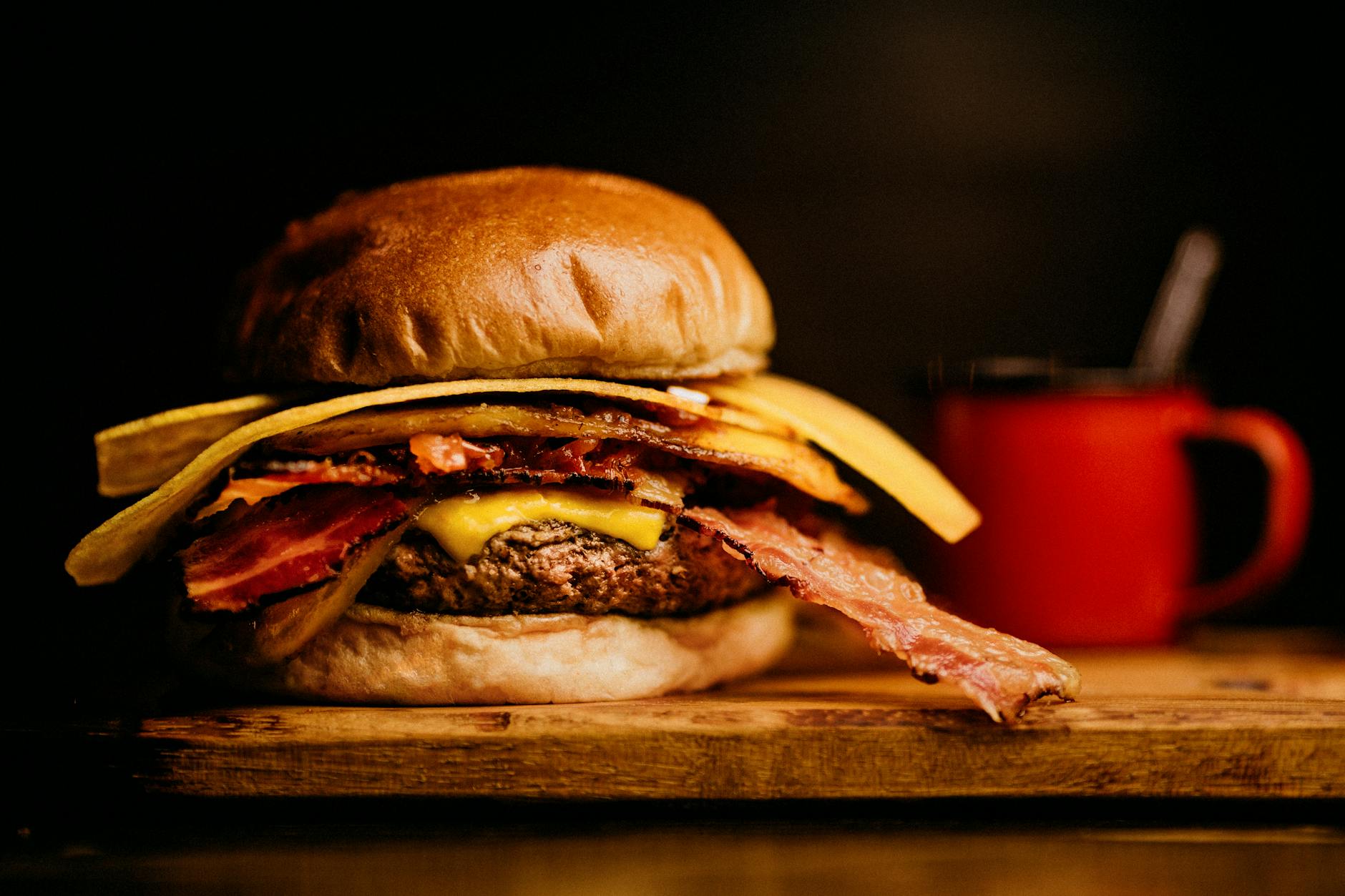
The updated Big Mac features several distinct adjustments designed to enhance flavor, texture, and visual appeal. The standard sesame seed buns are now softer and baked to a darker, richer golden brown. Kitchen staff toast these buns to order, aiming to create a stronger barrier against sauce migration while delivering a warmer, pillowy bite that holds up better during delivery and takeaway orders.
The beef patty cooking process has also undergone a fundamental reset. Kitchen workers now cook smaller batches of beef simultaneously, allowing for a better sear and improved juice retention. Perhaps the most noticeable change to the Big Mac is the timing of the onions.
Dehydrated onions are now placed directly on top of the beef patties while they are still sizzling on the grill. This technique allows the onions to absorb the rendered beef juices while softening slightly, reducing the sharp bite of raw onion.
Temperature control forms a major pillar of the new preparation standards. McDonald's has adjusted its kitchen holding temperatures to ensure the process yields hotter beef patties. This heat transfer is critical for achieving a proper melt on the classic American cheese slice, which previously had a tendency to remain cold or firm when placed between room-temperature ingredients.
The signature Big Mac sauce has also been recalibrated, both in terms of recipe volume per burger and distribution across the sandwich layers. Restaurants are issuing updated sauce dispensers to kitchen crews to ensure consistent portioning. The company added more sauce to each burger to address long-standing customer complaints regarding dry bites, particularly around the middle heel bun layer that separates the two beef patties.
Executing these changes across more than 13,000 domestic locations required a massive overhaul of store equipment and supply chain logistics. Franchises invested in upgraded, high-efficiency grills with computerized temperature controls capable of maintaining precise heat profiles across high-volume shifts. Bun suppliers had to modify their commercial baking equipment and ingredient ratios to achieve the softer texture and deeper caramelization required by the new corporate specifications.
Training programs were rolled out nationwide to re-educate hundreds of thousands of line cooks on the modified assembly sequences. Kitchen ergonomics were reorganized so that cooks could apply onions to the grill quickly without disrupting the speed of service. Industry analysts note that even a two-second delay per burger can cause massive bottlenecks in fast food drive-thrus, making the seamless integration of these new steps a operational necessity for store profitability.
The decision to reformulate classic menu items comes at a time when traditional quick-service chains face mounting pressure from fast-casual operators. Consumers increasingly demand higher culinary quality, premium ingredients, and freshly prepared meals from fast food brands. Competitors have successfully gained market share by highlighting fresh beef, custom grilling, and elevated toppings, forcing legacy players to re-evaluate their core offerings.
By focusing on the Big Mac, McDonald's is leveraging its most recognizable global brand asset to reshape consumer perception. Retaining market leadership in the value and speed segments requires constant adaptation, especially as food inflation causes diners to scrutinize meal quality more closely. Upgrading the execution of existing items allows the chain to generate renewed marketing momentum without the supply chain risk of introducing complex new ingredients.
Implementing these kitchen modifications involves significant capital expenditure for store operators, who own and run the vast majority of domestic McDonald's locations. Franchise owners had to pay for new equipment, modified kitchen tools, and extensive staff retraining. However, early market tests indicated that the investment yielded measurable increases in customer satisfaction scores and repeat visitation rates, justifying the initial outlays.
The broader strategy aligns with a growing trend across the quick-service restaurant sector, where chains prioritize operational efficiency and product quality over endless menu expansion. Simplifying kitchen procedures while optimizing core ingredients helps protect profit margins against rising food costs and labor shortages. As the revised Big Mac rolls out nationwide, corporate executives expect the refreshed classic to drive higher average check sizes and sustained sales growth.
For the average consumer, the revamped Big Mac delivers a warmer, juicier sandwich with more pronounced flavors and better melted cheese. You will notice a softer bun, extra sauce, and onions that carry a savory, grilled flavor rather than a sharp raw bite. While the price of the burger may reflect ongoing inflationary pressures and regional franchise pricing decisions, the actual dining experience promises a higher quality standard without sacrificing the speed and convenience you expect from the drive-thru window.
More from the Foodie Pundit Newsroom
- McDonalds Redesigns Big Mac Prep Methods to Raise Fast Food Quality Standards
- Taco Bell Targets Fast Casual Market With Launch of Premium Cantina Chicken Lineup
- FTC Legal Battle Over Kroger and Albertsons Merger Escalates Retail Drama
- Mindful Sips and Premium Flavors Drive Financial Shakeup Across the Beverage Industry
- Mindful Drinking and Craft Flavors Drive Global Alcohol Market Transformation