McDonald's Re-Engineers Kitchen Operations to Upgrade the Classic Big Mac
McDonald's is overhauling its kitchen operations to deliver hotter, juicier burgers with caramelized onions and meltier cheese across its entire system.
By Foodie Pundit Newsroom - Published - Section: Chain Watch
Key points
- Onions are now caramelized directly on the grill top over searing beef patties to lock in moisture and flavor.
- Cheese storage temperature protocols have been updated to ensure complete melting upon sandwich assembly.
- Buns feature a modified recipe and deeper toast to improve heat retention and structural integrity.
- The operational overhaul focuses on smaller, more frequent batch cooking across all participating locations.
Fast food consumers across the globe are preparing for a notable shift in how their daily meals are constructed. McDonald's has begun rolling out a series of subtle yet significant culinary adjustments to its core menu, focusing heavily on its flagship burger, the Big Mac. The fast food giant is re-evaluating its foundational execution, aiming to deliver hotter, juicier beef patties, meltier cheese, and fresh buns across thousands of locations. Reporting from Today highlights that these upgrades represent one of the most comprehensive operational overhauls to the company's kitchen practices in decades.
For decades, the Big Mac has relied on a standardized build strategy designed for speed and global consistency. The classic composition of two beef patties, special sauce, lettuce, cheese, pickles, and onions on a sesame seed bun remains intact. However, the operational method used to prepare these ingredients on the line is undergoing a systemic update. Franchisees are adjusting grill times, modifying storage protocols for dairy, and rethinking how ingredients are layered during the assembly process to ensure maximum heat retention and texture quality.
The primary modification centers on how the beef patties are cooked and seasoned. Under the updated guidelines, kitchen workers now add finely diced onions directly onto the beef patties while they are still searing on the flat-top grill. This technique allows the juices from the meat to caramelize the onions in real time, imparting a deeper savory flavor profile into the protein itself. Previously, dehydrated onions were reconstituted and placed cold onto the bun during final assembly, which often reduced the overall temperature of the sandwich.
Grill settings are also receiving strict recalibration to prevent overcooking small beef patties. By making precise adjustments to the top and bottom platen temperatures, line cooks can sear the meat faster while locking in natural moisture. The company expects this procedural change to yield a noticeably juicier product without requiring any alteration to the raw beef blend or patty size. The focus remains squarely on heat management and timing at the station level.
A recurring critique from quick-service restaurant patrons involves cold or un-melted cheese slices placed on warm sandwiches. To address this issue, McDonald's is changing how American cheese slices are stored prior to assembly. Kitchens are moving away from cold holding wells directly adjacent to the dress tables. Instead, cheese is kept at a slightly higher, room-adjacent temperature, allowing the warmth of the freshly seared beef patties to melt the slice almost instantly upon contact.
This focus on thermal dynamics extends to the bun prep stations as well. Buns are now toasted to a deeper golden hue using modified toaster belt speeds, creating a stronger structural barrier against moisture from the sauce and lettuce. The softer, pillowy texture of the updated brioche-style bun formula helps maintain structural integrity from the kitchen pass to the customer's hands. The extra caramelization on the bread face also adds a subtle hint of sweetness that balances the tangy special sauce.
Implementing operational shifts across a massive international footprint presents complex logistical hurdles. McDonald's operates tens of thousands of restaurants globally, with the vast majority managed by independent franchisees. Updating kitchen workflows requires widespread employee retraining, new equipment calibration routines, and adjusted supply chain deliveries. According to reporting by Today, the company tested these kitchen improvements in international markets including Australia, Canada, and Belgium before initiating a phased rollout across North American stores.
Franchisees have had to adapt to tighter production runs, preparing smaller batches of burgers more frequently to ensure sandwiches do not sit under heat lamps. While batch cooking historically helped high-volume stores handle rush hours, the modern consumer expects made-to-order freshness. The updated process prioritizes smaller grill runs, which keeps kitchen staff moving quickly while drastically improving the thermal performance of every item leaving the window.
These culinary adjustments arrive at a crucial moment for the quick-service restaurant sector. Rising labor costs, inflated supply chains, and shifting consumer demographics have forced major chains to compete aggressively for diner loyalty. Rather than introducing entirely new, high-risk menu items that require novel inventory, McDonald's is attempting to drive sales growth by optimizing its existing core assets. Enhancing the perceived value and taste of iconic offerings allows the brand to justify recent price increases without alienating its traditional base.
Competitors in the fast food space are paying close attention to this operational pivot. Premium burger chains have gained market share in recent years by emphasizing fresh beef, custom grilling techniques, and elevated bun quality. By adopting similar small-batch cooking methods at scale, traditional quick-service operators hope to narrow the quality gap while maintaining the drive-thru speed that defines the industry. The success of this rollout could encourage rival chains to re-examine their own legacy assembly lines.
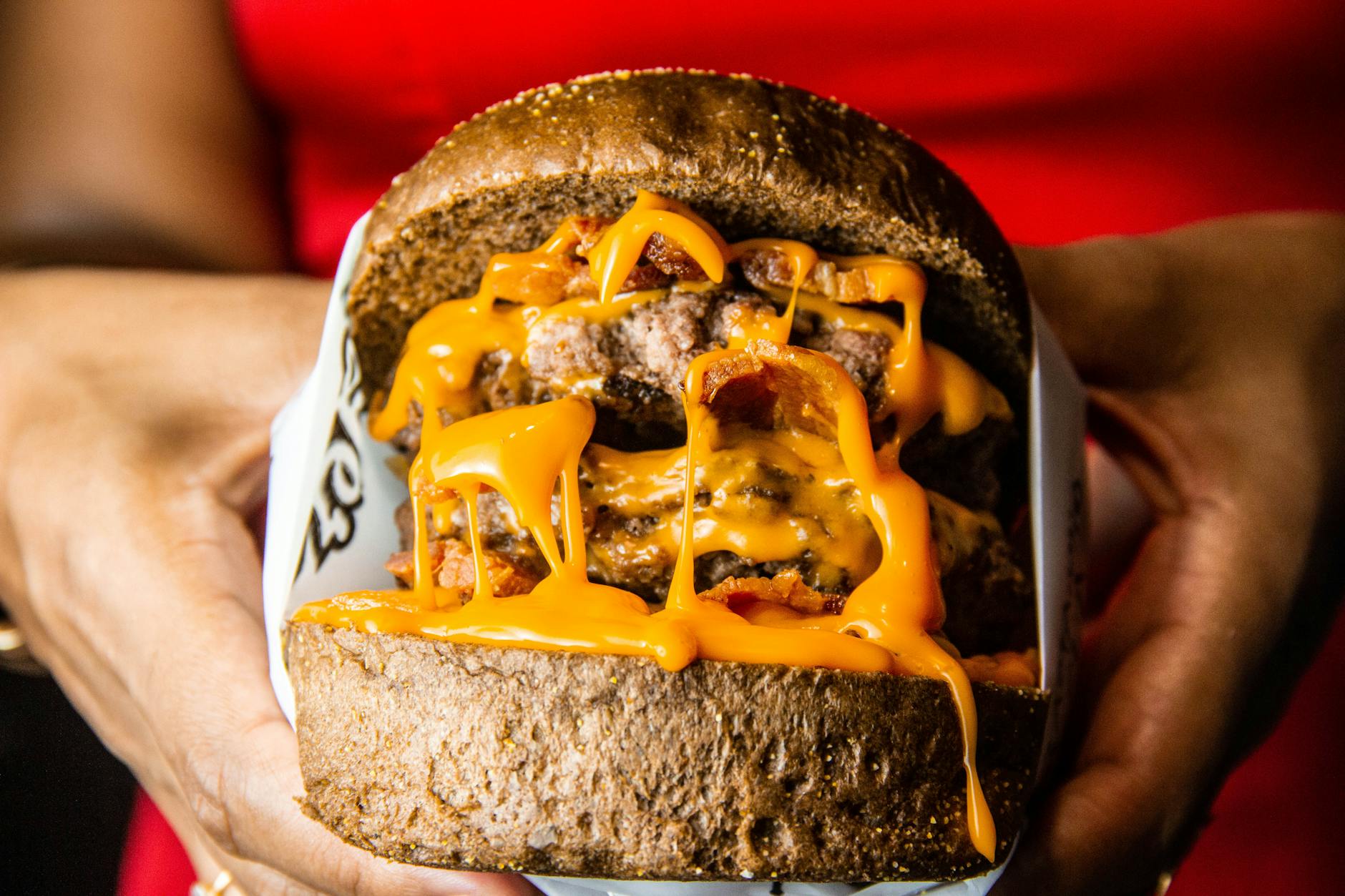
When you visit your local McDonald's, you will likely notice subtle visual and textural differences in your order. The Big Mac will feature a glossier bun, visibly melted cheese draped over the sides of the patties, and a stronger onion aroma integrated into the beef. The actual ingredients and overall caloric profile remain unchanged, meaning you are getting the same classic flavor combination but executed with better thermal control and fresher textures.
These changes are designed to improve the consistency of your meal, reducing the likelihood of receiving a lukewarm burger with cold cheese. As the nationwide rollout completes, expect similar preparation improvements to extend to other classic menu items, including the Quarter Pounder with Cheese and the double cheeseburger. While prices at the register reflect broader economic trends, the physical product you receive should offer a higher standard of kitchen preparation.
More from the Foodie Pundit Newsroom
- Viral No-Cook Dining Trends Reshape Grocery Sales and Restaurant Menus
- Supermarket Prices Show Uneven Relief As Grocery Categories Diverge
- Sticky Food Inflation Keeps Pressure On Weekly Household Budgets
- Taco Bell Expands Premium Offerings With New Cantina Chicken Lineup
- Fast Food Economics: Why McDonald's Relies on Scarcity Marketing with the Return of the McRib