Michelin-Starred Fitzrovia Favorite The Ninth Prepares for Permanent Closure
The Fitzrovia staple is set to shut its doors after nine years, reflecting wider economic strains on independent fine dining.
By Foodie Pundit Newsroom - Published - Updated - Section: Luxury Dining
Key points
- The Ninth is permanently closing its doors in Fitzrovia after nine successful years of operation.
- Rising overhead costs and tight margins continue to press independent Michelin-starred venues across London.
- The venue helped popularize elevated, shareable Mediterranean cuisine in central London.
- Diners with active reservations or vouchers should reach out to the restaurant immediately ahead of final service.
The London restaurant landscape is bracing for the loss of one of its most celebrated dining destinations. The Ninth, a Michelin-starred Mediterranean eatery located in Fitzrovia, has announced it will permanently close its doors after nine years of operation. The decision marks the end of an era for the neighborhood, which has long served as a hub for premier culinary talent in the British capital.
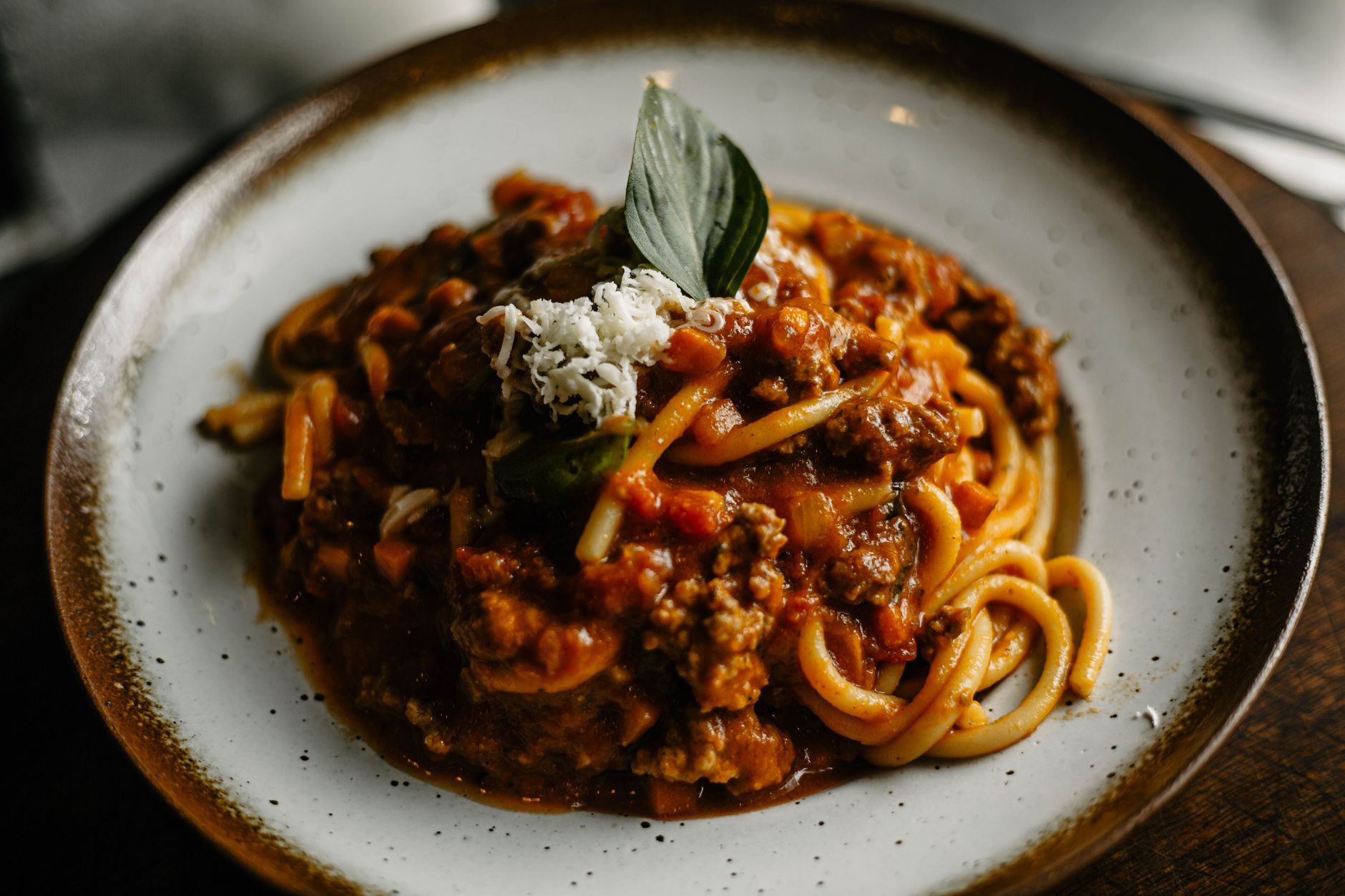
According to reporting by the Evening Standard, the closure came as a profound surprise to local diners and industry insiders alike. The restaurant earned a reputation for elevated yet accessible Mediterranean cooking, centered around refined small plates, robust pastas, and house-cured meats. Since opening its doors nearly a decade ago, the venue maintained a steady stream of critical acclaim and a loyal clientele.
The site itself became a cornerstone of Charlotte Street, a bustling corridor known for intense dining competition. Operating a high-end restaurant in central London has grown increasingly complex over the past several years, given rising overhead costs and shifting consumer spending habits. The Ninth managed to navigate these headwinds while maintaining its prestigious Michelin star, making the sudden announcement all the more striking to the city culinary community.
While the team behind the venue has not detailed every financial factor driving the decision, the closure underscores broader systemic challenges facing independent dining rooms across the United Kingdom. Operators in major metropolitan areas are grappling with steep increases in energy bills, elevated ingredient prices due to inflation, and rising labor expenses. Rent pressures in prime neighborhoods like Fitzrovia further narrow the profit margins for independent establishments.
Even venues with established reputations and critical honors are not immune to these macroeconomic realities. Industry analysts point out that earning a Michelin star boosts visibility, but it also elevates customer expectations and operating overhead. Maintaining the standard of service, ingredient sourcing, and kitchen staffing required for top-tier recognition demands continuous financial reinvestment that can prove unsustainable over long periods.
The competitive dynamics of the London market have shifted dramatically since the middle of the last decade. Diners are increasingly selective about where they allocate discretionary income, often leaning toward casual concepts or highly experiential dining formats. Mid-tier and high-end independent bistros find themselves caught in the middle, balancing premium price points against escalating costs of goods sold.
Despite the forthcoming shutdown, the legacy of the restaurant will continue to influence the broader dining scene. The kitchen served as a training ground for dozens of chefs and front-of-house staff who have gone on to populate top kitchens across Europe. Its focus on simple, high-quality ingredients executed with classical French technique and Mediterranean flavor profiles set a template that many contemporary venues have sought to emulate.
The menu at the Fitzrovia establishment stood out for its communal dining philosophy, encouraging guests to share dishes rather than stick to traditional three-course formats. This approach helped demystify fine dining for a younger demographic during the mid-2010s, bridging the gap between casual neighborhood spots and rigid fine-dining institutions.
Regular patrons have expressed sadness over the loss of seasonal signatures, including prized pasta preparations and flame-kissed seafood dishes. The venue had successfully rebuilt its operations following past disruptions, including a temporary closure caused by an unexpected kitchen fire several years ago. Its ability to bounce back from adversity in the past made the permanent closure announcement particularly unexpected for its long-time patrons.
MARKET IMPLICATIONS FOR INDEPENDENT OPERATORS
The loss of an anchor establishment on Charlotte Street highlights growing concerns about the future of independent hospitality in prime central London locations. As independent operations vacate long-held leases, larger restaurant groups and corporate hospitality conglomerates often step in to fill the void. Corporate entities generally possess stronger balance sheets, greater leverage with suppliers, and superior capacity to absorb fluctuating operating costs.
This ongoing structural shift threatens to alter the character of famous dining neighborhoods. Analysts suggest that while chain concepts bring stability to commercial real estate landlords, they can diminish the unique culinary identity that makes districts like Fitzrovia international dining destinations. Independent closures serve as a canary in the coal mine for local real estate dynamics and retail vibrancy.
Furthermore, the timing of the departure reflects broader trends observed across the UK hospitality sector this year. Commercial insolvency rates among food and beverage businesses have remained high as government support programs introduced during prior economic shocks have fully wound down. Operators are facing the full weight of market forces without safety nets.
For regular diners and visitors to London, the closure of a premier dining venue means fewer options for independent, high-level Mediterranean cuisine in central London. It highlights the importance of supporting local dining rooms before cost pressures force them out of market markets.
If you hold reservations or gift vouchers for the establishment, you should contact the venue immediately to manage your bookings or secure refunds prior to the final service date. Diners looking to experience the menu one last time will face intense competition for table availability as the final closing date approaches.
Beyond this specific venue, consumers can expect to see menu prices rise across the fine dining sector as surviving operators adjust to higher labor and supply chain costs. Supporting local, chef-driven establishments today remains the most effective way to preserve diversity and creativity in your local food ecosystem.
Sources and methodology
Reported from the public datasets below.
More from the Foodie Pundit Newsroom
- How Viral Grocery Hacks Are Reshaping Summer Meal Prep and Retail Inventory
- Kansas City Culinary Scene Faces Loss as Popular Neighborhood Spot Announces Permanent Closure
- PITTSBURGH DISTRICT EVENTS BOOST LOCAL RESTAURANT REVENUE AND FOOT TRAFFIC
- Modern Chefs Reshape Portuguese Gastronomy to Drive Global Culinary Recognition
- What Do Discount Canned Fish and Premium Dog Food Have in Common?