Here is what a plate costs in Milwaukee, WI this spring
Spring 2026 menu prices in Milwaukee, WI: typical plate $17.71, city up 5.1 percent. Fuel and beef drive big hikes in Bay View and Third Ward. Federal awards ta
By Foodie Pundit Newsroom - Published - Updated - Section: Policy Regulation
Key points
- Typical plate in Milwaukee, WI is $17.71, citywide menu prices up 5.1 percent versus national movement of 5.8 percent.
- Steepest local increases are in Bay View and Third Ward; biggest drivers are fuel costs and rising beef prices.
- Federal awards in Milwaukee focus on produce recovery, frozen meal manufacturing, school composting, and farmer support; they do not directly subsidize fuel or meat costs.
- The city has not published any municipal food spending lines for this period, so local fiscal levers are not visible.
- Watch the 2026-03-01 AMS Equiti Foods Good Bowls award and the 2024-06-01 NIFA food recovery awards for how recovered produce and frozen meals might change grocery and meal affordability.
I am sitting at a narrow wooden table in the Third Ward, a paper coaster sweating under a pint glass, a check quietly ticking upward on a phone screen. Around me the menus read like a report from a supply chain war. The typical plate in Milwaukee, WI this spring is $17.71, the citywide movement is up 5.1 percent, and out of 60 categories tracked, the steepest jumps are clustered in Bay View and the Third Ward.
You can order barbecue for $15.50 in Bay View, food trucks in Bay View are charging $19.50, a German and brewery plate in the Third Ward runs $22.40, seafood in the Third Ward is $24.50, and a steakhouse plate in the Third Ward is $22.50. Those are not menu quirks, they are the arithmetic of higher fuel and meat costs landing on your table.
Milwaukee is inching up on national trends, but not outrunning them. The citywide increase in menu prices is 5.1 percent, slightly below the national movement of 5.8 percent. What that means for you is modest relief in the average number, but heavier hits where heavy inputs matter.
Raw beef and diesel and gasoline are the headline beats. Where your neighborhood leans on trucks, kegs or fresh fish, you are seeing a sharper squeeze.
- 2026-03-01, Agricultural Marketing Service: CITY OF MILWAUKEE, $959,400. This federal award is described as a regional level investment through Equiti Foods to generate economic opportunities for small farmers by buying grade B produce and seasonal excess. The money is earmarked to buy produce and turn it into a frozen meal product called Good Bowls, which is promoted as healthy, affordable, and shelf-stable. That is a meal program, not a subsidy for diesel or kegs; it buys vegetables that might otherwise be wasted and converts them into an inexpensive frozen entrée.
- 2024-06-01, National Institute of Food and Agriculture: CITY OF MILWAUKEE, $400,000. The stated problem for this award is food waste and food insecurity: Wisconsin produces 1.2 billion pounds of food waste annually, while one in seven households face food insecurity, and in Milwaukee 15 percent of material going to landfills is edible food. This award is framed around food recovery and diversion, which is about capturing edible food and transforming it into usable meals or other food products.
- 2024-06-01, National Institute of Food and Agriculture: MILWAUKEE BOARD OF SCHOOL DIRECTORS, $300,000. This one funds the MPS model composting program in ten Milwaukee Public Schools. The program is meant to be a model for waste reduction, landfill diversion, and food recovery education. It is a school-centered investment in waste and recovery systems, meant to reduce the edible food that ends up as trash, and to teach students the mechanics of composting and diversion.
- 2025-09-08, Rural Business Cooperative Service: HUNDRED ACRE LLC, $250,000. This award is for beginning and socially disadvantaged farmers or ranchers. The purpose line indicates it is targeted at building capacity among farmers who are starting out and who have been historically disadvantaged.
- 2020-09-30, Natural Resources Conservation Service: MICHAEL FIELDS AGRICULTURAL INSTITUTE, INC., $623,000. The project description is abbreviated to "Women championing conservation." That points to farm-level conservation practices and support for women operators in agricultural work.
- 2021-12-01, National Institute of Food and Agriculture: UNIVERSITY OF WISCONSIN SYSTEM, $649,820. This grant concerns sorghum, noting the grain's resilience and emerging role in food, feed and biofuel. It is research money aimed at crop diversification and resilience.
Markets and small operators, plus national programs that touch local supply
- 2025-01-01, National Institute of Food and Agriculture: UNIVERSITY OF WISCONSIN SYSTEM, $1,496,399. The award's purpose text is about citrus industry research on Huanglongbing disease. It is national in scope, aimed at protecting a U.S. industry that is concentrated in places like Florida.
- 2023-09-15, National Institute of Food and Agriculture: UNIVERSITY OF WISCONSIN SYSTEM, $1,364,571. This is another citrus industry award, similarly worded, focused on the spread and damage of Huanglongbing.
- 2024-07-01, National Institute of Food and Agriculture: UNIVERSITY OF WISCONSIN SYSTEM, $648,952. This grant is about freshwater use in agriculture, irrigation and the role of water in food production globally. It is research funding that studies water as an agricultural input.
- 2022-07-01, 2023-07-01, 2024-07-01, Agricultural Marketing Service: ANSI NATIONAL ACCREDITATION BOARD LLC, awards of $104,000, $97,500 and $97,500. These cooperative agreements support the National Organic Program's annual peer review, ISO training and technical assistance. They are about the nuts and bolts of organic certification oversight.
- 2020-09-01, National Institute of Food and Agriculture: ALVERNO COLLEGE, $267,065. This award backs Alverno College, which works with disadvantaged women to get degrees and transition into the workforce. It is workforce and education money with an indirect relationship to food employment.
The city has not published a food line for this period. There are no budget, appropriation, or spending lines on file from the City of Milwaukee that name local food spending for this reporting window. Because there are no city lines on file, I cannot quote any Milwaukee municipal spending figures from a local budget, appropriation, or spending sheet.
There are no local dollar figures to separate into money already spent versus money only budgeted. If you are looking for a municipal spending trail on food, the clean record here is that the city did not publish one for the period covered by these federal awards.
Start with the biggest pressure points, and then look at what the federal money is actually doing.
What is pushing restaurant prices up right now. The sharpest category increases in Milwaukee are driven by fuel and beef. Barbecue in Bay View is up 11.4 percent, a plate at $15.50.
Food trucks in Bay View are up 11.2 percent, a plate at $19.50. German and brewery plates in the Third Ward are up 9.4 percent, a plate at $22.40. Seafood in the Third Ward is up 9.2 percent, a plate at $24.50.
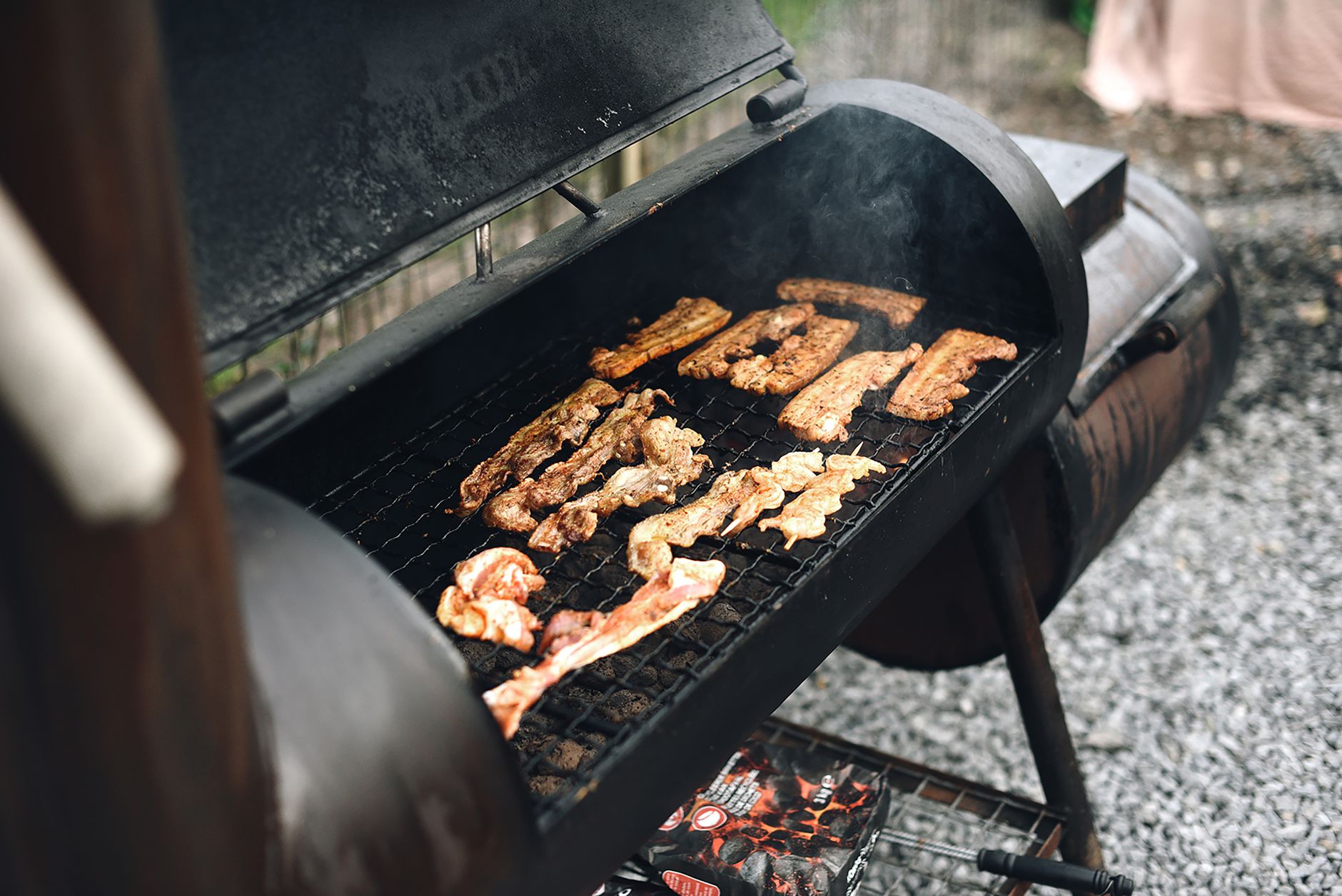
Across these notes the problem is repeated. Smokers need fuel, trucks need gasoline, kegs need diesel to travel, fresh fish needs refrigerated shipping. The dataset attached to these price moves calls out fuel as the immediate cause in many categories.
Freight and fuel costs are surging, with notes of diesel prices up 30 percent in one case, up 55.6 percent in another, and a 25 percent gas price hike for trucks. Beef costs are also a recurring input, with ground beef jumps of 9.1 and 12.8 percent, and beef up 15.5 percent in a category. Bacon is flagged at $4.96 per pound in the note on German and Deli.
What the federal dollars pay for. The $959,400 AMS award to the City of Milwaukee funds Equiti Foods buying grade B produce and seasonal excess, turning that produce into a frozen shelf-stable product called Good Bowls. That is direct action on produce waste and affordability, it can add low-cost vegetable-based plates or frozen meals to stores and distribution channels.
The NIFA $400,000 awarded to the City of Milwaukee is about food recovery and excess diversion, basically trying to stop edible food from becoming landfill. The $300,000 to Milwaukee Public Schools is a composting education and diversion program. Those investments address food waste, make certain produce and meals more available at a lower price point, and support in-city infrastructure for recycling edible food.
They do not, however, lower the price of diesel, reduce cattle costs, or directly subsidize kegs and refrigerated freight.
How that lines up with specific menu pain points. If your Bay View barbecue joint has to run a smoker longer because wood chips or propane costs more, or if a food truck has to run its generator and burn 25 percent more gas, the AMS and NIFA awards do not change that variable. What they can do is make produce cheaper to buy for programs that turn it into an inexpensive frozen meal, or capture edible food that would otherwise be tossed.
The Equiti Foods program is likely to increase the flow of lower-cost, surplus produce into a product that could be sold or distributed at a lower price point than a fresh fish entree. The composting and food recovery awards can lower waste disposal costs for schools and institutions, but they do not appear to offer direct rebates to restaurants that ship kegs or fish over long distances.
There are farm-side investments that matter over time. The Hundred Acre LLC award of $250,000 to support beginning and socially disadvantaged farmers is about expanding capacity on the supply side. The Michael Fields award supports conservation practices, possibly changing cost structures for farmers over years.
Sorghum research funding is about crop resilience and future feed or food options. Those move the needle slowly, they are not one-off relief checks for diesel.
- Small farmers and their channels. The AMS Equiti Foods investment aims to buy grade B produce and seasonal excess from small farmers, creating a reliable buyer and a market for produce that otherwise might be discarded. That creates revenue opportunities for growers, and it can boost the availability of cheap, frozen meals for consumers or community programs.
- Schools and students. The $300,000 to Milwaukee Public Schools funds a composting pilot in ten schools, which reaches students directly through education and indirectly through reduced waste hauling costs. The $400,000 NIFA city award targets food recovery at a municipal level, which is designed to funnel edible food back to families, pantries, or meal programs.
- Beginning and disadvantaged farmers. Hundred Acre LLC's $250,000 award is explicitly to support beginning and socially disadvantaged farmers. That is targeted capacity building; it is a narrow pool relative to the city, but it is a focused one.
- Restaurant owners paying higher diesel and gasoline. The price notes make clear the cost shock is largely about moving heavy goods, kegs and refrigeration and smokers. There is no federal award here that offsets a 55.6 percent jump in diesel or a 25 percent gas price spike for trucks. If you run a Bay View food truck or a Third Ward brewery you are feeling a cost increase that the federal money in this list does not directly address.
- Diners paying for beef-driven menus. Steakhouse, burgers, deli meat, and heavy German plates are all showing notable beef and pork input increases. The federal dollars on food recovery, frozen meal programs, and farmer capacity do not directly reduce cattle prices or bacon costs at the grocery counter.
- Workers in kitchens on razor-thin margins. None of these awards are listed as direct wage subsidies or relief for hospitality payrolls. Programs that increase supply, divert food waste, or train farmers are real, but they do not translate into immediate higher tips, or paid sick leave, or lower wholesale beef invoices.
These are the dated records to watch for progress, reporting, and potential program changes.
- 2026-03-01, Agricultural Marketing Service, CITY OF MILWAUKEE, $959,400, Equiti Foods Good Bowls produce purchase. Watch the rollout, distribution points, and whether Good Bowls shows up in local grocery stories or community pantries. The question is how quickly a frozen meal program can relieve grocery bills for households buying prepared food.
- 2024-06-01, National Institute of Food and Agriculture, CITY OF MILWAUKEE, $400,000, food recovery and waste reduction work. Look for program reports on how much edible food is diverted, where it is redirected, and whether recovered food is reaching the one in seven households flagged as food insecure in the award text.
- 2024-06-01, National Institute of Food and Agriculture, MILWAUKEE BOARD OF SCHOOL DIRECTORS, $300,000, the MPS composting pilot. Track whether those ten schools scale composting, and whether composting reduces school disposal costs or increases local soil health models that feed urban farms.
Sources and methodology
Reported from the public datasets below.