Mindful Consumption and Advanced Flavors Reshape the Global Adult Beverage Market
Changing consumer preferences and flavor innovation are driving a structural shift toward premiumized, mindful beverage options across retail and hospitality.
By Foodie Pundit Newsroom - Published - Section: Beverages
Key points
- Mindful drinking trends are driving rapid growth in low-alcohol, non-alcoholic, and functional beverage categories.
- Flavor profiles are shifting from basic fruit flavors toward complex savory, floral, and hyper-regional botanical ingredients.
- The ready-to-drink canned cocktail market continues to expand by offering lounge-quality mixology in convenient formats.
- Overall alcohol volume consumption is stabilizing while total revenue rises due to consumer demand for premiumization.
The global beverage alcohol sector is undergoing a profound structural shift driven by changing consumer demographics, premiumization trends, and a growing demand for functional ingredients. According to analysis from Forbes India, the traditional market paradigms built on volume sales of core beer, wine, and spirit categories are rapidly giving way to higher-margin, highly segmented product lines. Producers from boutique craft distilleries to multinational beverage conglomerates are reallocating capital toward formulations that target wellness-conscious drinkers, flavor enthusiasts, and experiential consumers.
At the center of this market evolution is the concept of mindful drinking. Consumers, particularly younger demographics such as Generation Z and millennials, are moderating their overall ethanol intake while demanding elevated taste profiles when they do choose to drink. This behavioral pivot has accelerated the growth of low-alcohol and zero-proof alternatives, pushing them from niche specialty health stores directly into mainstream retail channels and high-end restaurant menus.
THE RISE OF FUNCTIONAL AND BOTANICAL FORMULATIONS
As the distinction between the wellness industry and the adult beverage sector blurs, product developers are incorporating functional ingredients once reserved for health foods. Ingredients such as adaptogens, botanical extracts, nootropics, and premium teas are increasingly utilized to create complex flavor profiles that do not rely solely on alcohol content for weight or mouthfeel. Forbes India highlights that these formulations allow producers to charge premium price points while catering to patrons who prioritize physical well-being alongside social consumption.
Beyond functional health additions, flavor innovation has become a critical competitive differentiator for brands seeking market share in a crowded landscape. Traditional standard offerings like citrus or plain berries are being eclipsed by complex, multi-layered profiles featuring savory, floral, and hyper-regional ingredients. Distillers and RTD manufacturers are experimenting with wild-harvested herbs, exotic spices, and barrel-aging techniques that cross traditional category boundaries.
The ready-to-drink segment continues to serve as the primary engine for product experimentation and retail volume growth. Single-serve canned cocktails, premium hard seltzers, and spirit-based sodas have evolved far beyond the sugary malt beverages of previous decades. Modern RTD options leverage real spirits, cold-pressed juices, and sophisticated carbonation techniques to mimic the quality of an artisanal cocktail lounge at home or on the go.
For hospitality operators and retail buyers, the expansion of premium RTDs represents both an opportunity and a operational challenge. While canned options reduce labor costs and speed up service times at venues, managing the influx of new stock-keeping units requires careful inventory curation. Retailers are increasingly clearing shelf space previously dedicated to legacy domestic beers to make room for high-margin, innovative RTD brands that deliver higher revenue per linear foot.
Economic data indicates that while overall volume consumption of traditional alcoholic beverages has flattened or declined in several key global markets, total dollar value continues to rise. This premiumization trend reflects a consumer willingness to drink less frequently, provided the product offers superior quality, provenance, or health-aligned attributes. Consumers are increasingly treating adult beverages as affordable luxuries or curated sensory experiences rather than routine commodities.
Distilleries and wineries are responding by emphasizing transparent sourcing, artisanal production methods, and distinctive packaging design. Sustainable farming practices, organic certifications, and low-sugar claims have transitioned from novel marketing selling points to baseline expectations for new product entrants. Brands that fail to communicate clear value propositions around quality and ingredient integrity risk losing shelf space to agile, highly targeted direct-to-consumer and boutique labels.
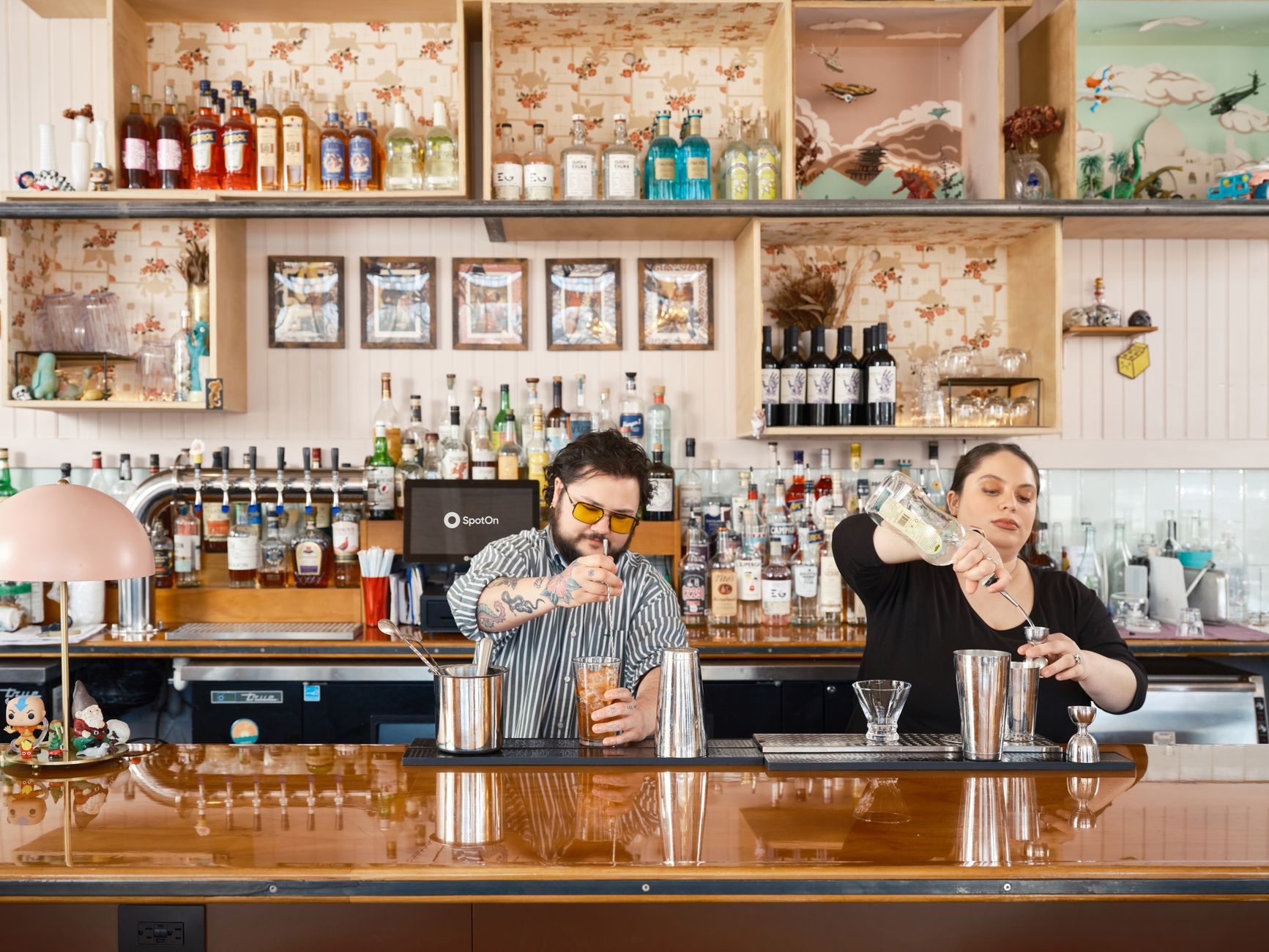
On-premise beverage programs are undergoing operational overhauls to align with these shifting consumer preferences. Cocktail menus at leading restaurants now routinely feature dedicated low-abv and non-alcoholic sections designed with the same rigor and ingredient budget as traditional liquor offerings. Bar managers are leveraging specialized ice programing, house-made syrups, and botanical distillates to ensure non-drinkers receive an equal culinary experience.
Furthermore, dynamic pricing strategies are becoming common as raw material costs for premium botanical ingredients rise. Establishing robust margin structures on zero-proof and low-proof drinks allows venues to maintain high average check sizes even as patrons reduce their alcohol consumption. Staff training programs are also adapting, requiring servers and bartenders to possess deep knowledge regarding botanical sourcing, sugar content, and functional benefits to effectively communicate value to curious guests.
For everyday diners and beverage enthusiasts, the transformation of the alcohol market translates directly into unprecedented choice and higher quality across all price tiers. You no longer have to sacrifice taste or social ritual if you choose to abstain from alcohol or moderate your intake during a night out. Dining establishments are offering zero-proof and low-alcohol pairings that rival traditional wine lists in complexity, allowing for a fully integrated gastronomic experience without the physical drawbacks of high alcohol consumption.
From a purchasing perspective, expect to see elevated price tags on retail shelves, balanced by superior ingredient quality and more distinct flavor choices. Reading product labels for specific botanical sources, sweetener types, and production methods will help you identify true craft innovations amidst a busy marketplace. Embracing these new options allows you to align your social dining habits with your personal health goals without compromising on culinary flavor.
Sources and methodology
Reported from the public datasets below.
More from the Foodie Pundit Newsroom
- How Viral Social Media Trends Are Reshaping Summer Beverage Menus
- McDonalds Begins Nationwide Removal of Self-Serve Soda Fountains
- Kroger Boosts Frontline Wages as Food Inflation Strains Worker Budgets
- Kroger Elevates Worker Wages as Inflation Continues to Strain Retail Labor
- FDA Overhauls Healthy Food Label Standard to Target Added Sugars and Retain Nutritious Fats