Mindful Drinking Movement Drives Premiumization and Flavor Innovation Across Beverage Sector
Driven by wellness trends and demands for exotic flavors, the global alcohol industry is rapidly pivoting toward premium low-proof and sophisticated zero-proof
By Foodie Pundit Newsroom - Published - Section: Beverages
Key points
- Consumers are increasingly trading high-volume traditional alcohol for low-proof and zero-proof alternatives that prioritize balance and health.
- Flavor profiles are evolving beyond basic fruit notes toward complex botanicals, savory ingredients, and regional adaptogens.
- Hospitality venues are boosting profitability by treating non-alcoholic cocktail programs as premium, high-margin culinary offerings.
The global beverage industry is experiencing a massive structural shift as consumer preferences move away from high-volume, standard alcoholic drinks toward premium, functional, and low-proof alternatives. According to recent reporting by Forbes India, this transformation is driven by a desire for mindful consumption paired with a demand for innovative flavor profiles. Breweries, distilleries, and mixologists are entirely rethinking their product portfolios to capture a younger, more health-conscious demographic that views drinking through a lifestyle lens.
For decades, the beverage market relied heavily on traditional categories like industrial lagers, standard blended whiskies, and conventional wines. Today, those foundational segments face stagnant growth while niche, high-value sectors are experiencing rapid expansion. Producers are responding by integrating functional ingredients, exploring botanical infusions, and introducing sophisticated zero-proof spirits that mimic the complexity of traditional liquors without the hangover.
At the core of this industry revolution is the concept of mindful drinking, a movement that encourages moderation without sacrificing social experience. Consumers are increasingly seeking lower alcohol by volume options, often referred to as sessionable drinks, which allow for extended socializing without heavy intoxication. This behavior is particularly pronounced among Gen Z and millennial demographics, who prioritize wellness, sleep quality, and mental clarity far more than previous generations.
In response, major beverage conglomerates and boutique craft labels alike are investing heavily in low-proof and non-alcoholic formulations. These are no longer afterthoughts or simple sugary mocktails. Modern non-alcoholic beverages utilize complex distillation processes, reverse osmosis, and sophisticated botanical extractions to deliver depth, astringency, and mouthfeel comparable to traditional spirits. The result is a rapidly growing category that commands premium price points similar to full-strength craft liquors.
FLAVOR INNOVATION AND PREMIUM INGREDIENTS
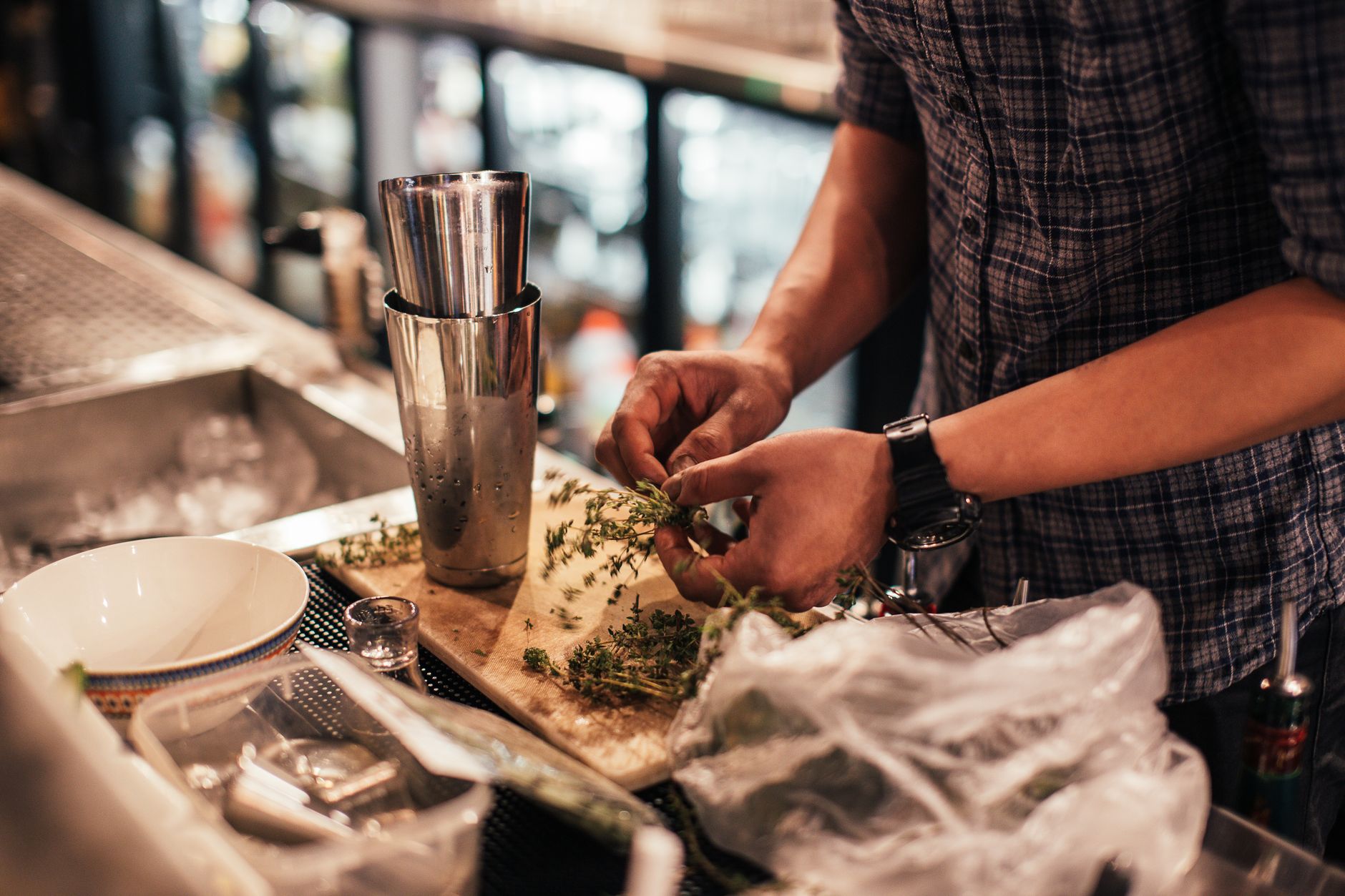
Alongside the push for moderation comes an appetite for adventurous and uncommon flavor combinations. Standard fruit flavors like lime, berry, and citrus are giving way to savory, earthy, and highly regional ingredients. Distillers and beverage developers are incorporating elements such as smoked chilis, yuzu, lavender, adaptogenic mushrooms, and local botanicals to create distinct tasting experiences that stand out on retail shelves and cocktail menus.
This emphasis on flavor experimentation is closely linked to the broader premiumization trend across the food and beverage sector. Consumers may be drinking less overall, but they are consistently willing to pay more for products perceived as higher quality, authentic, or unique. Forbes India highlights that this trade-up effect is driving strong revenue growth for brands that successfully position themselves at the intersection of craftsmanship, novel ingredients, and aesthetic appeal.
OPERATIONAL IMPACTS ON RESTAURANTS AND BARS
For hospitality operators, these shifting consumer habits present both operational challenges and lucrative financial opportunities. Traditional bar programs that relied heavily on high-margin draft beer and basic well spirits must now adapt to accommodate complex non-alcoholic menus and premium low-proof craft cocktails. Establishing a dedicated zero-proof program requires investment in specialty ingredients, unique glassware, and staff training to properly execute sophisticated flavor profiles.
However, the financial upside of this adaptation is substantial. Non-alcoholic craft cocktails often carry gross profit margins that rival or exceed those of traditional alcoholic drinks, as they do not carry the same heavy excise taxes associated with spirits. Operators who curate thoughtful, inclusive beverage menus are seeing higher average check sizes and increased customer loyalty, particularly among mixed-preference dining groups where non-drinkers previously had limited options.
RETAIL DISTRIBUTION AND PACKAGING EVOLUTION
The physical retail landscape is also transforming to reflect these new consumer priorities. Ready-to-drink canned cocktails and low-proof seltzers have moved from a novelty category into a dominant retail force. Brands are utilizing sleek, minimalist packaging that highlights clean ingredients, precise nutritional information, and transparent sourcing to appeal to modern shoppers browsing supermarket shelves and specialized bottle shops.
E-commerce has further accelerated this expansion, as direct-to-consumer platforms face fewer regulatory hurdles when shipping non-alcoholic and low-ABV products across state and national borders. This ease of distribution allows boutique brands to build national audiences quickly, proving that consumer appetite for elevated, thoughtful beverages extends well beyond urban cocktail lounges into home consumption habits.
For the average consumer, these industry shifts translate to an unprecedented level of choice and quality when dining out or shopping for home entertainment. You no longer have to choose between drinking alcohol and enjoying a sophisticated, well-crafted beverage in a social setting. High-end restaurants and local bars now offer extensive menus featuring botanical distillates, complex low-proof aperitifs, and functional craft sodas designed to match the quality of their food offerings.
From a financial perspective, you can expect to see premium pricing attached to these innovative beverage categories, even when they contain little or no alcohol. The investment in complex distillation processes, high-grade botanicals, and specialized packaging means that mindful drinking carries a craft price tag. As the market continues to mature, staying informed about ingredients and production methods will help you navigate these elevated menus and select options that best fit your personal lifestyle and budget.
Sources and methodology
Reported from the public datasets below.
More from the Foodie Pundit Newsroom
- McDonald's Phasing Out Self-Serve Soda Fountains Across United States Locations
- Grocery Inflation Persists as Key Staple Prices Continue Upward Trend
- Persistent High Grocery Bills Represent New Baseline for Consumers as Food Prices Stall
- Why Elevated Grocery Prices Are Here to Stay According to Recent Economic Analysis
- DC food rule about to get ghosted, orange juice prices could still rise