Miso Salmon Emerges as Key Weeknight Strategy for Budget Conscious Home Cooks
How a simple fermented soybean paste marinade elevates everyday salmon fillets into a fast, cost effective restaurant quality meal at home.
By Foodie Pundit Newsroom - Published - Section: Restaurants
Key points
- White miso paste offers an affordable way to add complex umami flavor to everyday weeknight proteins.
- High heat broiling caramelizes the glaze quickly, producing a restaurant style crust in under ten minutes.
- Preparing seafood at home with simple pantry glazes provides significant cost savings compared to restaurant dining.
- The basic marinade ratio works equally well on alternative proteins like cod, sablefish, and firm tofu.
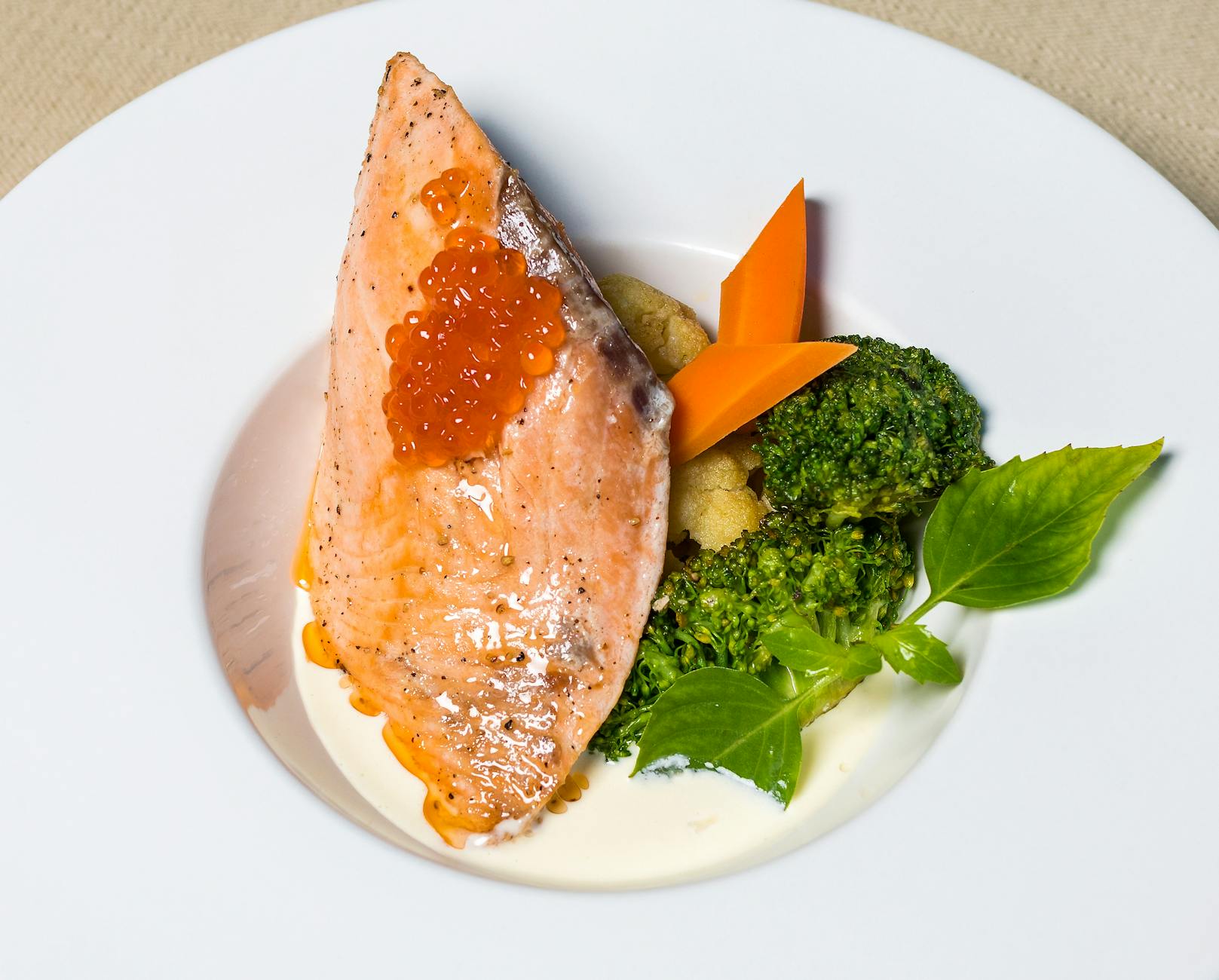
Home cooks are increasingly turning toward restaurant quality seafood dishes that require minimal prep time and accessible ingredients. A recent profile by The Sun highlighted how umami rich glazes, particularly those incorporating Japanese fermented soybean paste, have become the leading strategy for elevating standard weeknight dinners. White miso paste provides a complex blend of savory, sweet, and salty notes that transforms standard salmon fillets into a centerpiece meal in under twenty minutes. This culinary shift reflects broader consumer demand for high impact flavor profiles that do not require extensive technique or specialized kitchen equipment.
The commercial food sector has seen a steady rise in miso sales across mainstream grocery chains over the past three years. Retailers report that shoppers now treat fermented pastes as standard pantry staples rather than niche international ingredients. This mainstream adoption allows home cooks to recreate premium Asian bistro entrees at a fraction of the cost of dining out. By pairing a simple miso marinade with standard supermarket fish, consumers are finding a balance between economic savings and gourmet quality at home.
The foundational glaze relies on a precise balance of fermented soybean paste, mirin sweet rice wine, soy sauce, and a touch of unrefined sugar or honey. White miso, also known as shiro miso, is preferred for seafood applications due to its milder, sweeter profile compared to darker red varieties. When whisked together, these ingredients create an emulsion that coats the fish evenly and adheres during the high heat cooking process. The natural sugars within the mirin and miso caramelize rapidly, creating a rich visual crust while locking in moisture beneath the surface.
Proper application requires coating the salmon fillets at least fifteen minutes prior to cooking, though longer marinating times yield deeper flavor penetration. Culinary professionals recommend patting the fish dry with paper towels before applying the glaze to ensure optimal adhesion. Broiling or pan searing are the preferred preparation methods, as direct heat activates the sugars in the glaze to achieve a distinct charred finish. Cooks must monitor the heat closely, as the high sugar content can transition from caramelized to burnt within a matter of seconds.
ECONOMIC DRIVERS BEHIND HOME SEAFOOD PREPARATION
Rising menu prices at midscale and fine dining establishments have driven consumers to seek sophisticated recipes for home preparation. Salmon remains one of the most popular fresh seafood purchases at the retail counter, but home cooks often struggle with repetitive or bland cooking techniques. Implementing a versatile glaze offers a high return on investment, as a single tub of miso paste can yield dozens of individual portions over several months. This longevity makes the ingredient exceptionally cost effective when compared to single use bottled sauces or pre-marinated store options.
The cost advantage becomes even more pronounced when analyzing unit economics at the grocery register. A standard four ounce portion of fresh salmon paired with basic pantry glazes costs significantly less than a comparable restaurant entree. Furthermore, the speed of preparation reduces household energy consumption compared to long braises or complex roasted dishes. As economic pressures encourage more dining at home, efficient and flavorful recipes serve as essential tools for budget conscious consumers who refuse to compromise on taste.
NUTRITIONAL PROFILE AND INGREDIENT DYNAMICS
Beyond its culinary utility, the combination of wild or farmed salmon with fermented soybean paste delivers a robust nutritional profile. Salmon is widely recognized for its high concentration of omega three fatty acids, lean protein, and essential minerals like selenium. The addition of miso introduces beneficial bioactives and trace nutrients resulting from the traditional fermentation process. While miso contains noticeable levels of sodium, the intense flavor density means cooks only need small quantities to achieve maximum taste impact across the entire dish.
The versatility of the marinade extends well beyond basic salmon fillets to accommodate various dietary preferences and alternative proteins. The same ratio of white miso, mirin, and soy sauce works effectively on firm tofu, cod, sablefish, and even roasted root vegetables like eggplant or carrots. This adaptability reduces kitchen waste, as home cooks can utilize leftover glaze across multiple meals throughout the trading week. The balance of fats, proteins, and umami rich compounds ensures satiety without relying on heavy cream or butter based sauces.
Executing a high quality glazed salmon dinner requires minimal equipment, making cleanup fast and straightforward for busy households. Lining a standard baking sheet with aluminum foil or parchment paper prevents the caramelized sugars from scorching onto cookware. Broiling the fish on the top rack of an oven takes between six and eight minutes, depending on the thickness of the fillets. This rapid execution timeline positions the dish as a prime candidate for quick weeknight meal rotations.
Side dishes can be integrated into the same cooking workflow to maximize kitchen efficiency. Steamed jasmine rice, sauteed bok choy, or blistered snap peas complement the rich savory profile of the glazed fish without competing for prep space. By coordinating these components, home cooks can assemble a balanced meal in the time it normally takes to receive a food delivery order. The stream of positive consumer feedback highlights how simple technical adjustments can yield professional restaurant outcomes in domestic settings.
Incorporating a simple miso glaze into your weekly dinner routine offers a reliable way to upgrade basic proteins without spending extra time in the kitchen. Investing in a single tub of white miso paste provides a long lasting, multi use ingredient that keeps well in the refrigerator for up to a year. You can save money by purchasing plain salmon fillets in bulk and marinating them yourself rather than buying pre-flavored options at the seafood counter. Mastering high heat broiling techniques will allow you to achieve a professional caramelized crust on fish, tofu, and vegetables with minimal cleanup required after dining.
Sources and methodology
Reported from the public datasets below.
More from the Foodie Pundit Newsroom
- Inside the Digital Revamp Driving Growth at Papa Johns
- Chick-fil-A Upgrades Drive-Thru Tech to Cut Wait Times and Boost Traffic
- Chick-fil-A Overhauls Drive-Thru System With Advanced Tech and Multi-Lane Layouts
- McDonalds Shifts Bakery Strategy as Fast Food Breakfast Competition Intensifies
- Fast Food Breakfast Wars Heat Up as McDonald's Swaps Ambient Bakery Items for Fresh Cinnamon Rolls