Why Are Mississippi's Tomato Fields Suddenly Empty?
A change is occurring in Mississippi as tomato acreage plummets over 75%. Discover why climate change, labor shortages, and new economics impact this crop.
By Foodie Pundit Newsroom - Published - Updated - Section: Sustainability
Key points
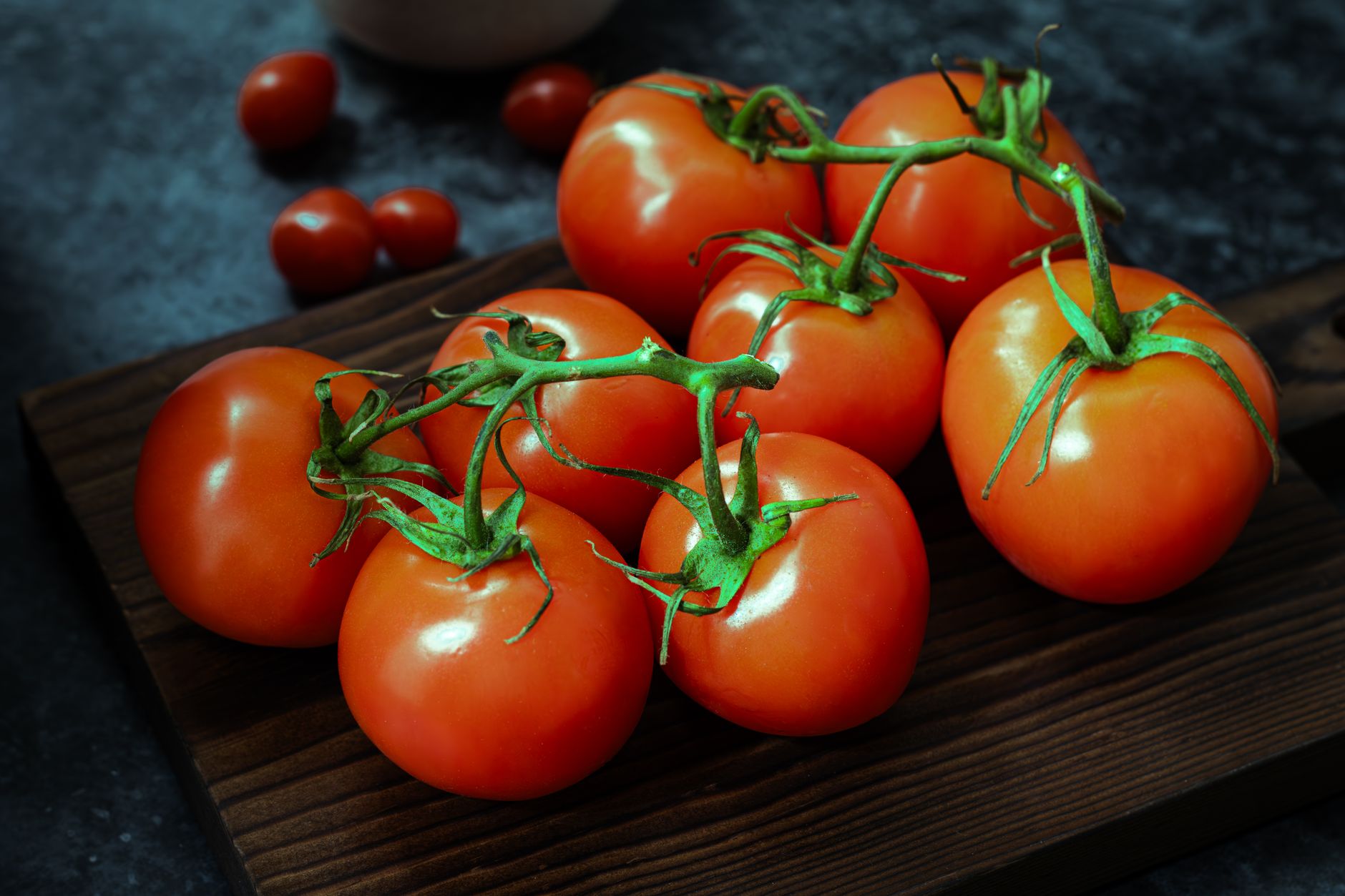
- Mississippi's fresh-market tomato acreage has plummeted by over 75% in two decades, influenced by a combination of climate change, labor shortages, and economic pressures.
- Extreme weather patterns, including intense heat and unpredictable rainfall, are reportedly making the business of tomato farming an increasingly high-risk venture.
- A critical shortage of agricultural labor, compounded by the costly and complex H-2A guest worker program, reportedly leaves farmers without the necessary workforce to harvest their crops.
- The rise of the wood pellet industry offers farmers a low-risk, high-reward alternative, converting prime farmland from food production to tree farming for biomass energy.
- The decline in regional produce hubs like this one suggests a less resilient national food supply chain and emphasizes the importance of supporting local agriculture.
This report is part of Foodie Pundit premium coverage. Foodie Pundit members read the full story. See membership.
More from the Foodie Pundit Newsroom
- This Yeast You've Never Heard Of May Bio-Hack A Better Noodle
- Esquire Restaurant Just Opened A Second Spot On Queen West
- Heatwaves and Global Friction Push July Food Commodity Prices Higher
- Viral Crunchy Hot Dog Trend Sparks Debate Over Menu Innovation and Produce Costs
- The New Snack Offensive: How Trader Joe's Is Redefining Its Aisles For 2024