Modern Refreshment Trends Drive Revenue Realignment Across Retail and Dining Concepts
Dynamic shifts in non alcoholic mixology, functional adaptogens, and complex global flavor profiles are redefining profit drivers for commercial beverage progra
By Foodie Pundit Newsroom - Published - Updated - Section: Beverages
Key points
- Functional beverages featuring prebiotics and adaptogens are capturing market share from legacy soft drinks.
- Zero proof mixology has evolved into a high margin staple for casual and fine dining menus.
- Textural features like nitrogenation and botanical foam layers enhance visual appeal and driving social engagement.
- Global fruit and savory botanical flavor profiles are increasingly replacing traditional sweet options.
The beverage sector is undergoing a rapid metamorphosis, driven by changing consumer expectations surrounding wellness, convenience, and sensory exploration. Recent reporting from Beverage Industry Magazine underscores how beverage developers and restaurant operators are recalibrating their portfolios to cater to an increasingly discerning public. Traditional soda formulations and standard coffee brews are losing ground to functional botanical infusions, bold visual presentation, and lower sugar options.
This strategic shift reflects broader macroeconomic adjustments within the hospitality and consumer packaged goods sectors. Operators face sustained pressure from raw ingredient costs and labor overhead, forcing them to maximize profitability on menu items with high gross margins. Beverages have historically served as the primary profit engine for dining establishments, and contemporary flavor innovation represents the newest tool for sustaining basket sizes and customer visit frequency.
The line between dietary supplements and commercial beverages continues to blur as functional ingredients move into standard consumer offerings. Adaptogens like ashwagandha and lion's mane mushroom are moving out of niche health food outlets and directly into mainstream RTD canned teas and restaurant signature drinks. Beverage Industry Magazine highlights that consumers now expect liquid refreshment to perform dual duties by offering hydration alongside targeted benefits like stress relief or sustained cognitive focus.
At the same time, prebiotic and probiotic sodas have successfully carved out significant market share from legacy carbonated soft drinks. These modern alternatives use real fruit juices, botanical extracts, and targeted dietary fibers to simulate classic mouthfeel without the heavy glycemic load. Restaurants that integrate these functional brands into their grab and go coolers are capturing higher average checks from health conscious diners who routinely skip traditional fountain options.
THE RISE OF COMPLEX NON ALCOHOLIC MIXOLOGY
The momentum behind the sober curious movement has permanently altered the structure of beverage programs across fine dining and casual restaurant concepts. Zero proof spirits, botanical distillates, and complex dealcoholized wines are no longer simple afterthoughts tucked into the bottom corner of a menu. Beverage directors are crafting non alcoholic pairings that mirror the complexity, acidity, and tannin structure traditionally reserved for fine wines and craft cocktails.
This shift carries major financial implications for dining establishments. High quality non alcoholic craft drinks command premium price points that rival their alcoholic counterparts, yet they carry significantly lower regulatory liability and broader demographic appeal. By utilizing culinary techniques like smoking, clarified juice bases, and custom shrub infusions, mixologists are elevating the perceived value of non alcoholic drinks while preserving lucrative beverage margins.
Mouthfeel and visual aesthetics have emerged as central pillars of product design for contemporary beverage brands. The global influence of bubble tea, nitrogenated cold brews, and whipped foam toppers has established texture as a critical component of consumer satisfaction. Beverage Industry Magazine points out that multi layered textures encourage viral social media sharing, which serves as free marketing for operators seeking to attract younger demographics.
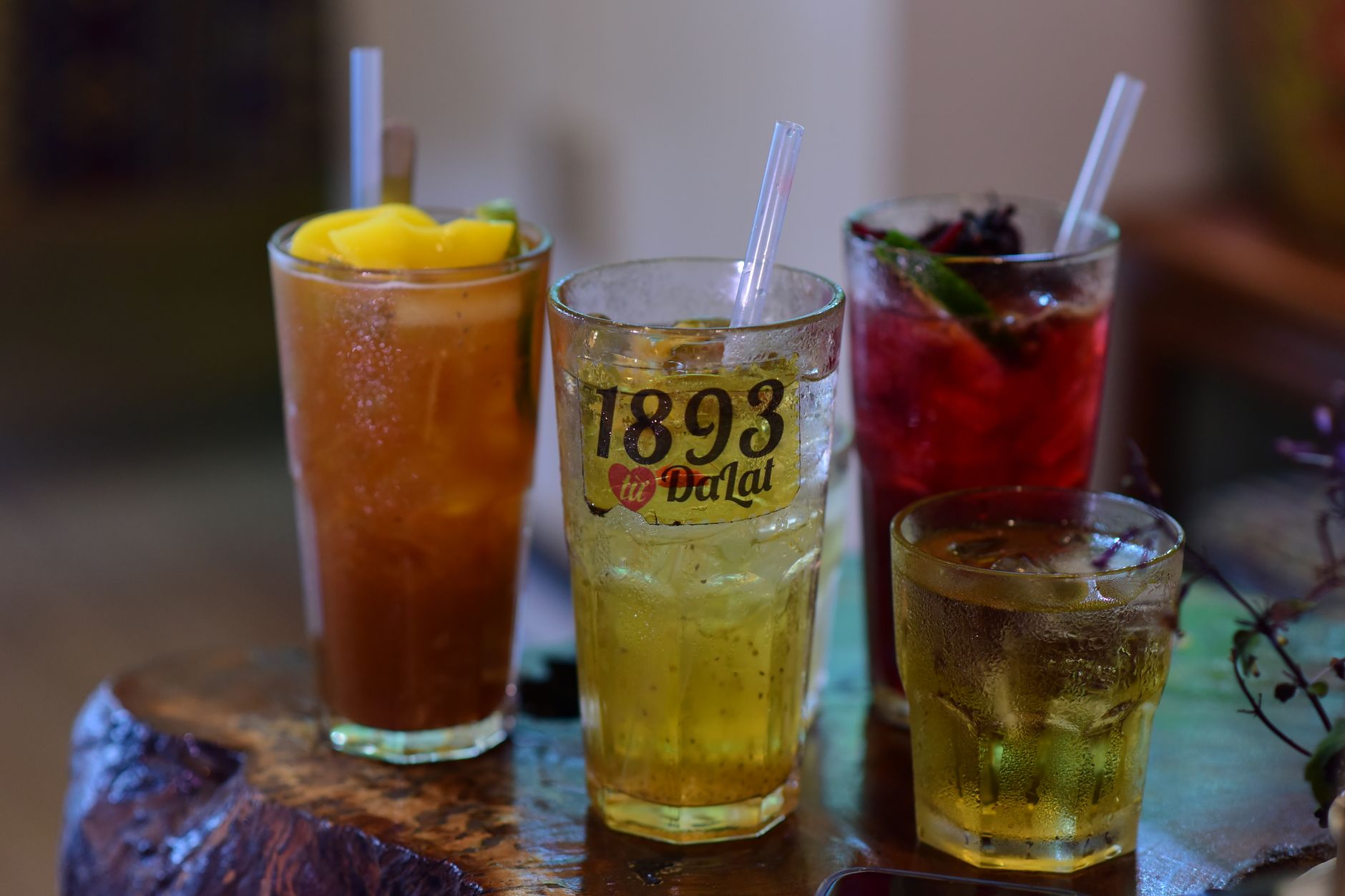
Furthermore, dynamic color shifts and unexpected visually striking ingredients are driving initial purchase decisions. Natural colorants derived from blue spirulina, butterfly pea flower, and purple sweet potato allow developers to create vibrant, photogenic drinks without relying on artificial dyes. These natural visual elements align perfectly with the consumer demand for clean labels, creating a powerful fusion of aesthetic charm and perceived nutritional value.
Flavor profiles are shifting away from overly sweet artificial notes toward earthy, herbal, and globally inspired combinations. Ingredients such as yuzu, calamansi, hibiscus, and cardamom are appearing in everything from sparkling waters to draft mocktails. These distinct profiles offer a sophisticated palate experience that feels premium and curated, distinguishing them from standard off the shelf refreshments.
Savoriness is also entering the commercial beverage landscape in unprecedented ways. Salted fruit preparations, spicy chili rims, and herbal infusions like basil and rosemary provide a counterweight to traditional sugar forward drinks. This expansion of the flavor wheel allows beverage creators to design options that pair more effectively with food, encouraging patrons to order specialized drinks alongside their meals rather than opting for tap water.
Behind the scenes, supply chain considerations and sustainable packaging requirements are reshaping how beverages are manufactured and delivered. Modern consumers express strong preferences for infinitely recyclable aluminum cans, glass bottles, and compostable service items. Beverage manufacturers are responding by altering supply chains to reduce shipping weights, utilizing concentrated bases, and sourcing ingredients through fair trade certified channels.
Local sourcing has also become a distinct competitive advantage for regional brands and independent restaurants. Featuring locally harvested honey, regional botanical blends, or roast profiles from nearby coffee purveyors helps operators build community connections while lowering transport emissions. This alignment of operational sustainability and marketing story reinforces customer brand loyalty in an increasingly crowded retail marketplace.
For consumers and diners, these dynamic industry developments translate into an unprecedented variety of high quality refreshment options across all dining channels. You no longer have to settle for high sugar sodas or plain iced tea when visiting your favorite restaurant or browsing supermarket shelves. Functional benefits, sophisticated non alcoholic choices, and vibrant global flavors are now widely accessible at various price points.
For restaurant operators and hospitality professionals, adapting to these changing consumer habits is vital for maintaining profitability and customer engagement. Expanding your non alcoholic program, integrating functional options, and prioritizing visually distinct menu items can significantly boost high margin beverage sales. Embracing these prevailing flavor and wellness patterns ensures your business remains competitive, relevant, and profitable in a rapidly shifting culinary landscape.
More from the Foodie Pundit Newsroom
- Market Dynamics Shift as Summer Harvest Yields High Value for Direct Produce Shoppers
- Snack Industry Leaders Roll Out Product Innovations to Counter Volume Drops
- Chipotle Reaches 4,000th Store Benchmark as Drive-Thru Expansion Accelerates
- Navigating High Grocery Bills Without Sacrificing Quality Food
- Analyzing the Weakest Links in the Global Restaurant Supply Network