Tailgating Makes a Comeback: Why Game-Day Food Culture Is Becoming the New Stadium Feature
Saskatchewan's Mosaic Stadium is bringing back tailgating, signaling a major shift in how sports venues view fan food culture as a premium, monetizable experien
By Foodie Pundit Newsroom - Published - Updated - Section: Food Culture
Key points
- The Return of Ritual: Sports franchises are realizing the value of sanctioning and structuring traditional fan rituals like tailgating to enhance the live game-day experience and combat the appeal of at-home viewing.
- Community as a Product: By formalizing pre-game festivities, teams are effectively monetizing and a controlling a key asset: the sense of community and shared culture that surrounds their brand.
- The Bifurcated Food Scene: The rise of sanctioned tailgating complements, rather than competes with, the trend of premium in-stadium food, creating a dual-track culinary strategy that caters to both do-it-yourself traditionalists and fans seeking convenience and novelty.
- A New Competitive Frontier: The battle for ticket sales is moving beyond the game itself and into the parking lot, as the overall quality of the day-long experience becomes a key differentiator for venues.
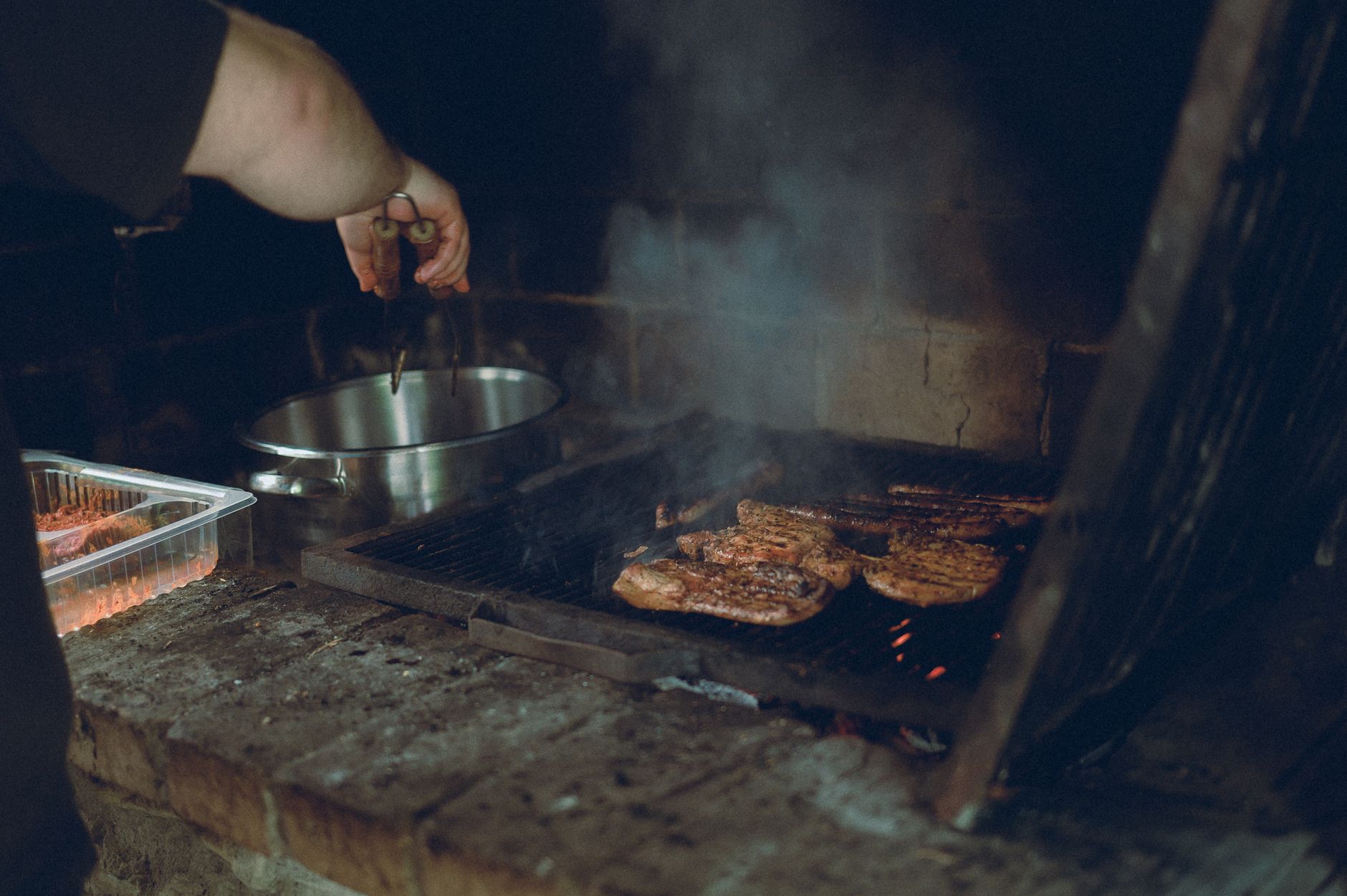
The smoke hangs thickest in the five hours before kickoff. It is a familiar haze, a pregame perfume of charcoal and sizzling fats that for nearly a decade was just a memory for Saskatchewan Roughriders fans. But here, in the freshly designated lots south of the Brandt Centre, it is the smell of a homecoming.
For the first time since Mosaic Stadium opened its gates in 2017, organized tailgating is back. Two hundred vehicles, each paired with an adjacent stall for hardware and hospitality, form a temporary village. The air hums with the generator's thrum, the snap of unfolding lawn chairs, and the sizzle of burgers on portable grills.
This is not the spontaneous, slightly chaotic gathering of years past. This is a sanctioned, structured, and deeply welcome return to form.
The scene in Saskatchewan, unfolding just in time for the 2026 home opener against the BC Lions, is more than just a local scheduling update. It is a powerful signal of a strategic shift happening across the landscape of live professional sports. In an era defined by high definition home theaters and soaring ticket prices, the battle for fan attendance is no longer being fought solely on the field or inside the arena. The new competitive frontier is the total game day experience, and the humble tailgate, long the domain of grassroots fan culture, is being reimagined as a premium stadium feature.
The formal return of tailgating at a major Canadian Football League venue matters because it shows how franchises are actively productizing the pregame ritual. By creating designated zones, setting official hours, and selling access through season pass parking, teams are transforming a beloved tradition into a controlled, monetized, and marketable asset. This is the new stadium food arms race, fought not with celebrity chef consultations or novelty snacks inside the gates, but with the strategic deployment of space, time, and permission in the parking lot. It is a bet that the most powerful draw for a modern fan is not just the game, but the community, culture, and cuisine that surrounds it.
The Mosaic Stadium revival offers a clear blueprint for this emerging model. The plan, as reported by local media, is both simple and specific. The team has allocated 200 tailgate spaces, a finite and therefore valuable commodity.
Access is not a free for all; it is tied directly to season pass holders, linking the pregame experience to the team's most loyal customer base. The logistics are thoughtfully designed for the modern tailgater: each pass grants access to two adjacent stalls, one for the vehicle and one explicitly for the party. This small detail acknowledges a significant truth about contemporary tailgating: it is an activity that requires gear.
The rules of engagement are a direct endorsement of classic tailgate culture. Fans are officially permitted to bring picnic tables, lawn chairs, and, most importantly, their own cooking equipment, including barbecues and smokers. They can bring their own food and beverages.
This is not a sponsored fan zone with corporate activations and branded food trucks. It is a deliberate effort to restore the authentic, do it yourself spirit of the tradition. The five hour pregame window is also critical.
It formalizes a significant social block, transforming the journey to the stadium from a logistical chore into the first act of the day's entertainment. For fans, it signals that the team values the pregame ritual as much as they do.
The community chatter surrounding the announcement has been overwhelmingly positive. The tone is one of excitement for the return of a missing piece of the game day identity. Fans see it not as a simple parking policy change, but as the restoration of a social hub that had been absent for too long.
In a world of digital communities, the physical act of gathering, sharing food, and building anticipation together remains a powerful social glue. By sanctioning this, the Roughriders organization is not just allowing a party; it is validating a core part of its fan culture.
This embrace of traditional food formats stands in stark contrast to the dominant trends inside most modern stadiums, where the focus has been on premium offerings, local chef partnerships, and viral, Instagrammable snacks. The tailgate menu is timeless and functional. It is built around portable, grill friendly, and highly shareable items.
The foundational pillars are grilled and smoked meats: burgers, sausages, hot dogs, ribs, and brisket. These are foods that can be cooked in large quantities, held at temperature, and eaten standing up, often with one hand holding a plate and the other a beverage. The explicit allowance of smokers at Mosaic Stadium is a nod to the more dedicated hobbyists who treat tailgating as a legitimate culinary pursuit, spending hours slowly rendering tough cuts of meat into tender, smoky perfection.
This focus on the hardware of tailgating is reflected in the broader culture. Automotive publications and lifestyle blogs now regularly produce content centered on the "best vehicles for tailgating." The modern tailgate is an optimized mobile kitchen and lounge.
Trucks and SUVs are prized for their payload capacity, power outlets, and multi function tailgates that can serve as prep counters. The choice of vehicle is no longer just about getting to the game; it is an integral part of the event infrastructure. This level of investment and planning from fans underscores their commitment to the pregame experience as a central part of their sporting life.
ANALYSIS: THE EXPERIENCE ECONOMY MOVES OUTDOORS
The strategic embrace of formalized tailgating is a direct response to the most pressing challenge facing live sports: convincing fans to leave their homes. The at home viewing experience has never been better, with crystal clear broadcasts, instant replays, and the ability to follow multiple games at once. Watch parties have their own distinct food culture, one optimized for the living room, with shareable dips, air fryer creations, and pizza delivery dominating the landscape. To compete, live venues must offer something that cannot be replicated at home: genuine atmosphere and a sense of occasion.
By bringing tailgating into the formal stadium ecosystem, teams are making a calculated economic decision. They are expanding their "product" from a three hour game into an eight hour event. The revenue generated from dedicated tailgate parking passes, like those in Saskatchewan, is a new and direct income stream.
But the indirect economic benefits are even greater. A vibrant, welcoming pregame scene makes the entire proposition of attending a game more attractive. It encourages fans to arrive earlier, stay longer, and build a deeper, more emotional connection to the team and the venue.
This atmosphere becomes a powerful marketing tool in itself, showcased in promotional videos and shared across social media, creating a fear of missing out that televisions cannot match.
This formalization also represents a shift in risk management and brand control. Unregulated, informal tailgating can lead to safety concerns, overconsumption, and a generally chaotic environment that might deter some fans, particularly those with families. By creating structured zones with clear rules and timings, the organization can curate a more predictable and positive experience. It transforms the parking lot from a potential liability into a controlled and branded asset, an official "pregame destination" that enhances the stadium's reputation.
What makes this trend particularly interesting is how it coexists with the ongoing premiumization of food inside the stadium. For the past decade, the "stadium food arms race" has been about elevating the concession stand with gourmet burgers, celebrity chef outposts, and locally sourced ingredients, all at a premium price. The revival of do it yourself tailgating does not negate that trend; it compl
Sources and methodology
Reported from the public datasets below.
More from the Foodie Pundit Newsroom
- How Viral Short-Form Video Trends Are Reshaping Neighborhood Bakery Operations
- THE NEW GOLD: HOW FOOD INDUSTRY GIANTS ARE TURNING WASTE INTO REVENUE
- Your Next Destination Is a Dish: The Multi-Billion Dollar Rise of Food-First Travel
- Insect Optical Sensors Cut Agricultural and Commercial Kitchen Waste
- That Sandwich Shop You Follow On Instagram Is Finally Coming To Miami