THE SILENT SABOTAGE IN YOUR FREEZER AISLE
A recall of Motor City Pizza Co. 5 Cheese Bread due to Salmonella reveals a deeper story about supply chain fragility and the hidden risks in packaged foods.
By Foodie Pundit Newsroom - Published - Updated - Section: Food Safety
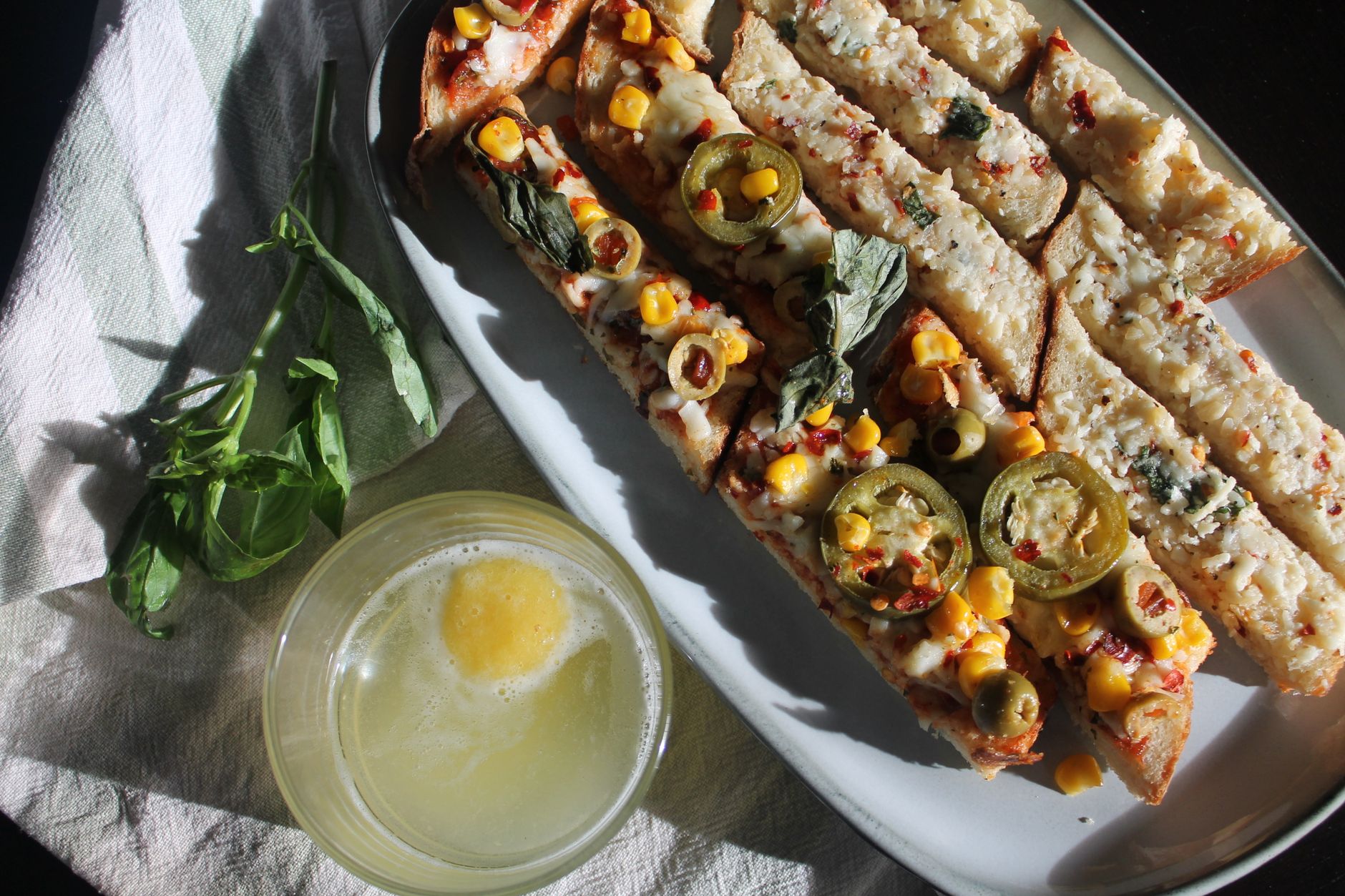
Key points
- Check your freezer for Motor City Pizza Co. 5 Cheese Bread and do not consume it if it is part of the recall.
- The recall was triggered by a contaminated ingredient, milk powder, from a supplier, highlighting systemic risks in the food chain.
- Salmonella symptoms include diarrhea, fever, and stomach cramps. Contact a healthcare provider if you believe you have been exposed.
- This incident illustrates that even trusted brands can be affected by their suppliers' food safety practices.
It often starts with a craving. That specific, undeniable pull for something hot, savory, and impossibly cheesy. You open the freezer, the cold air kissing your face, and there it is: that familiar box, a beacon of comfort in a busy week.
For fans of Motor City Pizza Co., the 5 Cheese Bread is more than just a snack. It is a ritual, a quick and satisfying staple in countless American households, a comfort food often made more accessible by historically stable wheat and dairy prices, though recent federal data shows wheat futures are up 1.39% year over year, while milk is down 3.86%.
But on May 29, 2026, that comforting image was shattered. Champion Foods LLC, the New Boston, Michigan-based parent company of Motor City Pizza Co., issued a voluntary recall for some batches of its popular cheesy bread. The reason was not a simple baking error or a packaging mix-up, nor was it directly linked to the fluctuating costs of key ingredients like wheat or corn, which has seen a dramatic 17.58% year-over-year decrease. The potential culprit was a silent, invisible threat: Salmonella.
This was not a case of a rogue employee or a contaminated factory line at Champion Foods. The problem originated much earlier in the food's long journey to your freezer. The contamination, the company stated, was linked to a foundational ingredient, milk powder, which was itself the subject of a recall from one of its suppliers, California Dairies, Inc. A single contaminated component, sourced from a company hundreds of miles away, had managed to infiltrate the supply chain, forcing a beloved product off the shelves and introducing a significant health risk into homes.
Most consumers never think about milk powder. It is one of the countless processed ingredients that form the backbone of modern packaged foods. It is a workhorse, providing texture, flavor, and shelf stability to everything from baked goods and soups to infant formula and, yes, cheesy bread. It is utility in a dehydrated form, a triumph of food science that allows for consistency and scale.
But this utility comes with a hidden architecture of risk. When you buy a box of cheesy bread, you are not just buying a product from one company; you are buying a product assembled from a global network of suppliers, processors, and distributors. The journey of that milk powder began long before it reached the Champion Foods facility. It started on a dairy farm, was pooled with milk from countless other farms, processed, dehydrated, and packaged at a large industrial facility like the one operated by California Dairies, Inc.
This intricate web is a marvel of logistics, ensuring that a vast and varied food supply is available year-round. It also means that a single point of failure can have cascading consequences. The Centers for Disease Control and Prevention, the federal agency tasked with tracking foodborne illnesses, understands this dynamic all too well. While the CDC did not report a specific number of illnesses tied directly to this cheesy bread recall at the time of the announcement, the agency's broader data paints a stark picture of the pathogen at its center.
Salmonella is responsible for an estimated 1.35 million infections, 26,500 hospitalizations, and 420 deaths in the United States every year. It is a hardy bacterium that can survive for weeks in a dry environment, like a batch of milk powder, and for weeks more in a frozen environment, like your freezer. The symptoms are deeply unpleasant: diarrhea, fever, and stomach cramps, typically beginning six hours to six days after infection. While most people recover without specific treatment, some cases can be severe enough to require hospitalization, particularly for young children, the elderly, and individuals with weakened immune systems.
For Champion Foods, the recall represents a corporate nightmare. The company did everything right, according to its own statements and the nature of the recall. It sourced ingredients from a supplier, presumably a trusted one, and manufactured its product.
Yet, it now finds itself in the crosshairs of a public health alert, its brand name linked to a dangerous pathogen. The cost of such an event is immense and multifaceted.
First, there is the direct financial hit. The company must manage the logistics of pulling the product from store shelves across every state it is sold in. It must issue refunds to customers and dispose of the contaminated inventory. These costs alone can run into the millions of dollars, depending on the scale of the recall. The disruption to its production schedule creates further economic strain.
Then there is the intangible, and perhaps more damaging, cost to its brand reputation. Motor City Pizza Co. trades on a specific identity: an authentic, Detroit-style product that delivers on taste and quality. It has cultivated a loyal following.
A food safety incident, even one that is not its direct fault, erodes the trust that is the bedrock of any consumer-packaged goods brand. Every news headline, every social media post, creates an association between the brand and the risk of illness.
This incident serves as a brutal lesson in supply chain accountability. In the modern food system, a company is not just responsible for what happens within its own four walls. It is implicitly responsible for the practices of its suppliers, and its suppliers' suppliers. Vetting, testing, and continuous verification are not just best practices; they are essential defenses against a threat that can emerge from anywhere in a complex, often opaque, network.
The centrality of an ingredient like milk powder cannot be overstated. Its presence in the food supply is so ubiquitous as to be invisible. In the case of the 5 Cheese Bread, it likely contributes to the texture of the dough and the richness of the cheese topping. Its dehydrated nature makes it easy to transport and store, a key consideration in large-scale food manufacturing.
Sources and methodology
Reported from primary records. Open any source to verify a claim.