National Restaurant Chains Pivot To Aggressive Price Cuts As Consumer Spending Cools
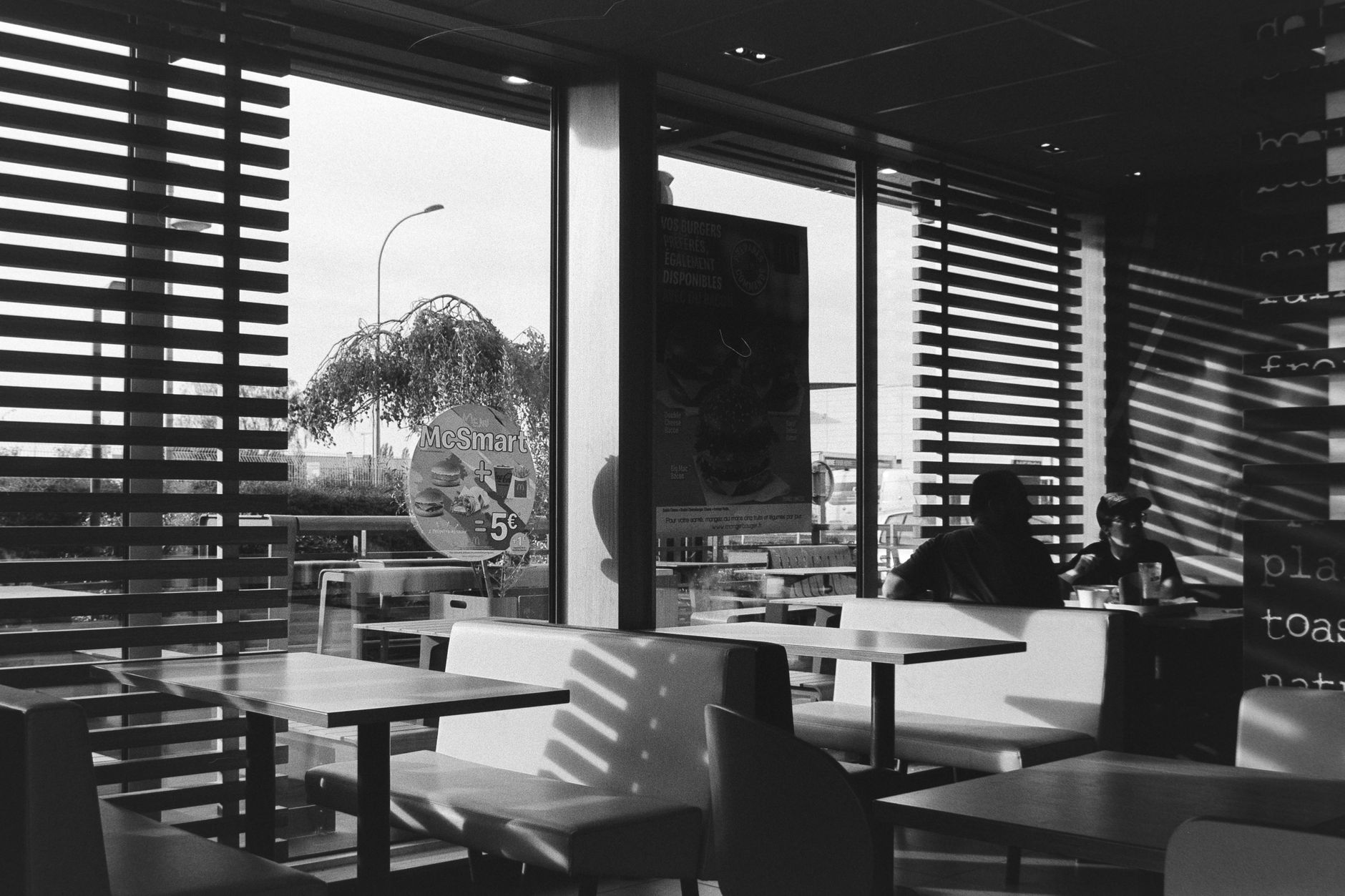
Major national chains are lowering menu prices and deploying aggressive digital promotions to win back budget-conscious diners nationwide.
By Foodie Pundit Newsroom - Published - Updated - Section: Chain Watch
Key points
- Major restaurant chains are launching targeted meal deals and value bundles to reverse declining foot traffic.
- Digital mobile applications are the primary vector for accessing maximum promotional discounts and loyalty rewards.
- Operators are balancing lowered menu prices by focusing discounts on high-margin beverage and side items.
- Full-service casual dining concepts are competing directly with fast-food brands through multi-course set menus.
The American dining landscape is undergoing a significant transformation as major restaurant chains roll out aggressive promotional discounts and value menus. Facing a cautious consumer base stretched thin by cumulative inflation, operators are abandoning recent price hikes in favor of traffic-generating bargains. This pivot is happening even as some key input costs remain elevated. For instance, the price of eggs, while down from its peak, still sits at $2.26 per dozen, a significant 22.8% increase year over year. Similarly, corn, a staple across many supply chains, is priced at $4.49 a bushel, marking a 30.2% drop from its price a year ago, but beef, an important protein, continues to demand $220.15 per 100 pounds, climbing 10.9% over the past year. Industry metrics show that foot traffic at quick-service and fast-casual establishments experienced a noticeable cooling in recent quarters, pushing leadership to lean heavily into limited-time meal deals, digital app exclusives, and bundled pricing strategies.
This shift represents a strategic recalculation for the hospitality sector. For several years, chains relied on menu price increases to offset rising labor costs, elevated supply chain expenses, and volatile ingredient markets, a strategy that often saw profitability prioritized over volume. Now, with consumer wallets squeezed and choices abundant, corporate strategy has recalibrated. While some input costs like coffee are down significantly by 15.6% year over year to $1.92 a pound, and wheat is also down 15.2% to $5.76 a bushel, the substantial rise in beef prices continues to pressure margins. Executives recognize that an empty dining room or an underutilized drive-thru lane is far more damaging to long-term brand health than a temporary reduction in profit per item, even as they navigate a complex commodity market.
To attract budget-conscious guests, quick-service leaders are introducing structured value platforms that bundle core entrees with sides and drinks at fixed price points. These promotions are designed to create a clear sense of affordability while streamlining kitchen operations. By focusing promotional offers on high-margin items like carbonated beverages and fried side dishes, chains can absorb discounts on protein-heavy entrees without completely eroding bottom-line profitability. The goal is to establish a predictable, value-forward value proposition that restores routine customer habits.
Digital platforms and proprietary mobile applications are playing a central role in this ongoing value war. Restaurants are increasingly restricting their most lucrative discounts to registered mobile app users. This digital-first strategy allows brands to drive customer loyalty, collect valuable purchasing data, and send personalized push notifications directly to consumer smartphones. By locking special pricing behind digital portals, operators avoid mass-market price degradation while simultaneously building direct marketing channels that encourage repeat visits.
Casual dining chains are similarly adjusting their operational playbooks to capture value-seeking diners who might otherwise opt for quick-service alternatives. Sit-down brands are heavily promoting multi-course combination meals, flat-rate lunch menus, and discounted weekday happy hour offerings. By framing full-service dining as an affordable luxury, these chains hope to win back suburban families and working professionals who trimmed discretionary spending over the past year. Front-of-house staff are being trained to emphasize these value offerings to build guest goodwill and secure long-term brand loyalty.
The underlying economic drivers of this promotional wave extend beyond simple consumer fatigue. While key commodity costs like poultry, pork, and dairy have stabilized compared to peak historic highs, labor expenses remain structurally high across major metropolitan areas. Managing this delicate balance between high fixed operational costs and lowered consumer price expectations requires precise menu engineering. Chain culinary teams are actively reformulating portion sizes and ingredient compositions to ensure that newly launched value items remain financially viable throughout extended promotional runs.
Independent operators face unique hurdles as national chains escalate their discounting efforts. Large corporate brands possess the supply chain scale and marketing capital necessary to absorb temporary margin compression in exchange for market share acquisition. Neighborhood eateries and single-unit restaurants often lack the purchasing power to match these aggressive price cuts, forcing them to emphasize quality, community ties, and unique dining experiences. Industry analysts suggest that prolonged discount wars ultimately favor large-scale enterprise concepts capable of leveraging national advertising budgets and digital infrastructure.
The current wave of restaurant deals marks a clear transition in operator priorities across the commercial foodservice space. As value platforms become the central battlefield for market share, consumers stand to benefit from enhanced menu options and reduced dining out expenses. Industry observers anticipate that these promotional strategies will persist well into the upcoming fiscal quarters as brands monitor traffic metrics and recalibrate their pricing structures to match evolving macroeconomic conditions.
For everyday consumers, the current market dynamic offers an unprecedented opportunity to stretch personal dining budgets without sacrificing convenience. Diners who download proprietary brand mobile applications will gain access to the deepest discounts, reward points, and exclusive bundled offers not advertised on traditional drive-thru boards. By comparing promotional offerings across local chains, budget-conscious households can significantly lower their weekly food expenditure while keeping dining out as a viable discretionary option.
Strategically timing your visits to coincide with targeted weekday promotions or off-peak happy hours can yield even greater savings at casual dining locations. While these widespread discounts deliver immediate relief to household budgets, consumers should remain mindful of menu changes and portion adjustments as chains optimize their offerings to maintain profitability. Taking full advantage of digital loyalty programs and bundled combo deals remains the most effective way to navigate the modern restaurant pricing environment.
Sources and methodology
Reported from the public datasets below.
More from the Foodie Pundit Newsroom
- Grocers Turn to Private Label Brands to Shield Profits and Attract Budget Shoppers
- Supermarket Shelf Shock Persists as Everyday Grocery Essentials Remain Near Record Highs
- Bakeries Cash In on Frozen Pastry Trend as Ice Cream Croissants Take Over Summer Menus
- How Social Media Video Trends Are Reshaping Restaurant Menus and Grocery Inventories
- Pastry Meets Scoop as the Ice Cream Croissant Drives Summer Foot Traffic