Foodie Pundit

Neighborhood Restaurants Face Structural Crisis As Operating Costs Soar

Rising overhead, changing work patterns, and persistent labor challenges are forcing independent restaurants to fundamentally rethink how they operate.

By Foodie Pundit Newsroom - Published - Updated - Section: Restaurants
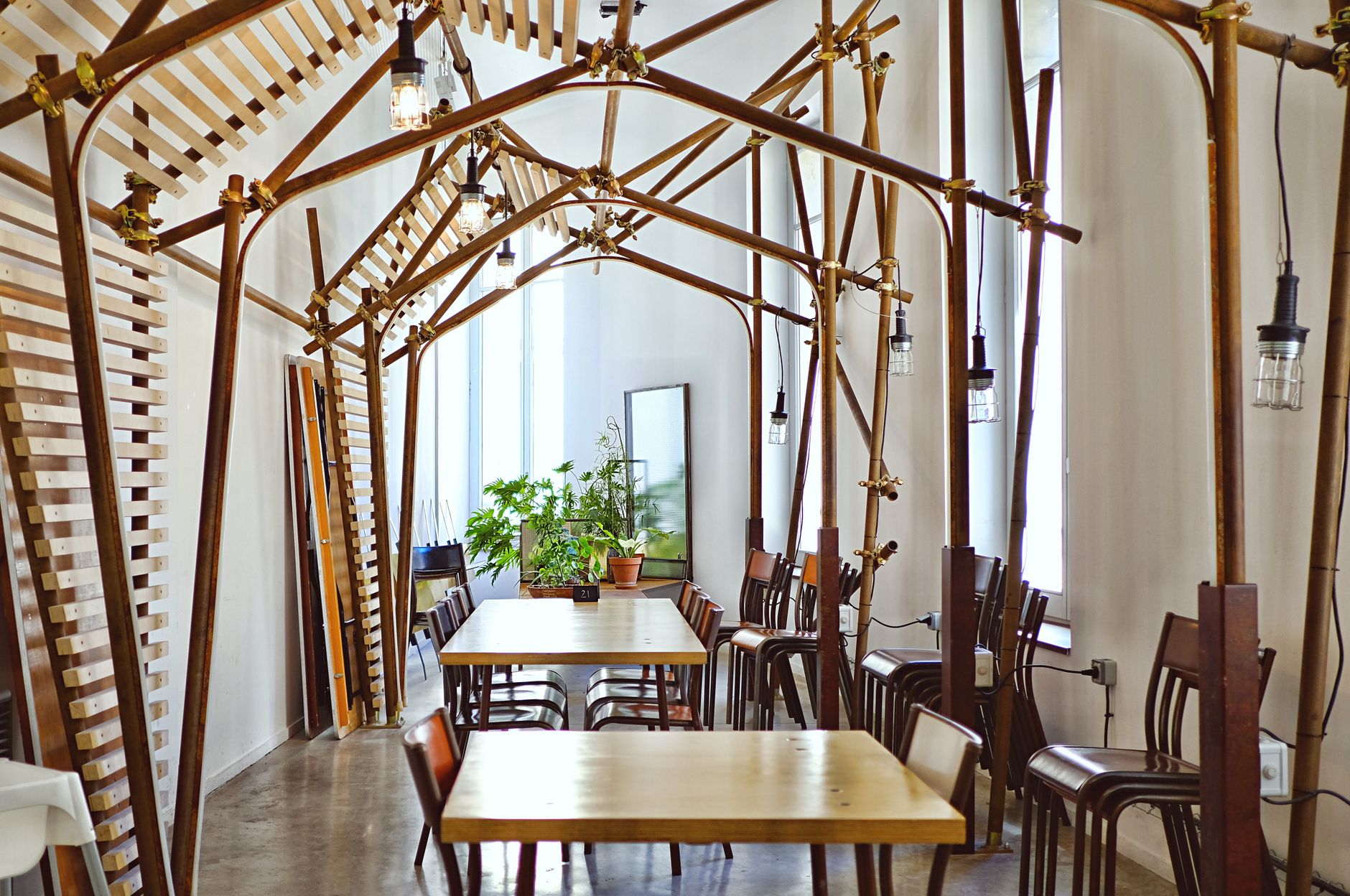
Neighborhood Restaurants Face Structural Crisis As Operating Costs Soar

Key points

  • Independent restaurants face a convergence of rising wholesale food prices, elevated commercial rents, and higher minimum wages.
  • Hybrid work trends have permanently reduced weekday foot traffic in urban business districts, undercutting traditional revenue cycles.
  • Operators are adapting by shrinking menu sizes, adopting fast-casual service models, and leveraging technology to lower labor costs.
  • Consumers should expect higher menu prices, reduced operating hours, and more fast-casual dining concepts in their neighborhoods.

The landscape of local dining is undergoing an unsettling shift as neighborhood staples across major urban markets shutter at an accelerating rate. Decades-old institutions and modern culinary hubs alike are bowing out under the weight of severe compounding economic pressures. Recent industry coverage from SFGATE highlights how deeply these closures are affecting urban communities that have long depended on vibrant dining districts for cultural identity and commercial vitality. The traditional restaurant business model, historically known for operating on paper-thin profit margins, is facing an unprecedented trial that threatens to permanently alter how Americans eat out.

Several distinct economic pressures are converging simultaneously to create an unsustainable operational environment for independent operators. Prime among these challenges is the relentless inflation in wholesale food prices, which has steadily eroded gross margins over the past three years. Additionally, commercial rents in desirable metropolitan corridors have continued to climb, leaving little room for error when foot traffic dips or seasonal slowdowns occur.

Beyond ingredients and real estate, labor dynamics represent the most complex hurdle currently facing independent restaurateurs. Wage expectations have rightfully adjusted upward to reflect broader cost-of-living increases, while mandated minimum wage increases in several states have raised payroll baselines significantly. Operators are struggling to maintain competitive pay packages without pricing their menus completely out of reach for middle-class consumers.

The labor shortage extends beyond mere compensation levels to encompass critical talent acquisition and retention issues. High turnover rates require constant investments in onboarding and training, which further drains limited operational budgets. To cope with lean staffing, many establishments have been forced to truncate their operational hours, eliminate mid-week lunch services, or cap party sizes, directly suppressing potential top-line revenue.

The financial squeeze on restaurants is further compounded by fundamental changes in guest behavior and spending patterns. Consumers facing their own inflationary pressures are increasingly scrutinizing discretionary purchases, leading to fewer dining outings per month and reduced check averages. Premium menu categories, high-margin alcoholic beverages, and traditional multi-course meals are frequently skipped in favor of single-course orders or shared plates.

Furthermore, the permanent rise of hybrid work arrangements has permanently disrupted predictable weekday foot traffic in downtown commercial cores. Establishments that previously relied on robust corporate lunch crowds and post-work happy hours are now navigating quiet dining rooms from Monday through Wednesday. Weekend revenue spikes are rarely sufficient to offset four days of underperforming operational shifts and ongoing fixed overhead costs.

In response to these structural headwinds, surviving independent operators are radically restructuring their business models to protect bottom-line viability. Many are migrating toward streamlined, fast-casual operational frameworks that require smaller physical footprints and significantly fewer front-of-house staff. Service models are increasingly utilizing digital ordering platforms, QR-code table ordering, and consolidated point-of-sale systems to minimize labor overhead while maintaining table turnover speeds.

Menu engineering has also become a critical tool for operational survival. Chefs are aggressively downsizing menu offerings to reduce prep labor, simplify inventory management, and mitigate food waste. Ingredients are being strategically cross-utilized across multiple dishes to maximize purchasing leverage with broadline distributors and limit exposure to volatile ingredient prices.

Industry analysts suggest that the current wave of closures represents a permanent structural realignment rather than a temporary market correction. The era of the mid-tier independent full-service restaurant may be contracting, giving way to a bifurcated market dominated by high-end experiential dining on one extreme and hyper-efficient fast-casual concepts on the other. Independent operators who survive this transition will likely be those with strong capital reserves, nimble management structures, and highly specialized operational focus.

Municipalities are beginning to recognize the economic risk posed by a collapsing independent restaurant sector, as vacant storefronts drag down commercial property values and municipal tax receipts. Some regional trade groups are lobbying for targeted regulatory relief, including simplified permitting processes and revised commercial zoning laws to encourage mixed-use development models. However, legislative remedies often move far slower than the rapid pace of commercial lease expirations and quarterly tax obligations.

For everyday diners, the ongoing contraction of the independent restaurant ecosystem will inevitably change how, where, and at what price point you eat outside the home. Menu prices will likely continue to drift upward as operators pass along unavoidable labor and ingredient costs. You may also encounter shorter operating hours, limited reservation availability, and automated service technologies replacing traditional table service at neighborhood spots.

Supporting local culinary culture now requires a conscious effort from consumers who value independent dining over national corporate chains. Choosing to dine locally during non-peak weekday hours, purchasing gift cards, or ordering directly through a restaurant rather than third-party delivery apps can provide vital cash flow to neighborhood businesses. As the dining landscape evolves, patron loyalty remains one of the few direct lifelines available to small operators navigating an increasingly hostile economic terrain.

Sources and methodology

Reported from the public datasets below.

All sources Foodie Pundit reports from

More from the Foodie Pundit Newsroom

Permalink