New Clinical Data Debunks Fears That GLP-1 Drugs Block Essential Nutrient Absorption
A definitive clinical review clarifies that weight loss medications do not cause nutrient malabsorption, shifting the focus to food quality and dietary density.
By Foodie Pundit Newsroom - Published - Updated - Section: Glp1 Weight Loss
Key points
- GLP-1 medications do not cause malabsorption or block the biological uptake of essential vitamins and minerals.
- Potential nutrient deficiencies stem from reduced food volume and poor diet quality rather than chemical interference from the drug.
- Clinical experts emphasize prioritizing protein and nutrient-dense foods to preserve muscle mass and overall health.
- Food manufacturers and restaurant operators are adapting by offering smaller, higher-density menu options.
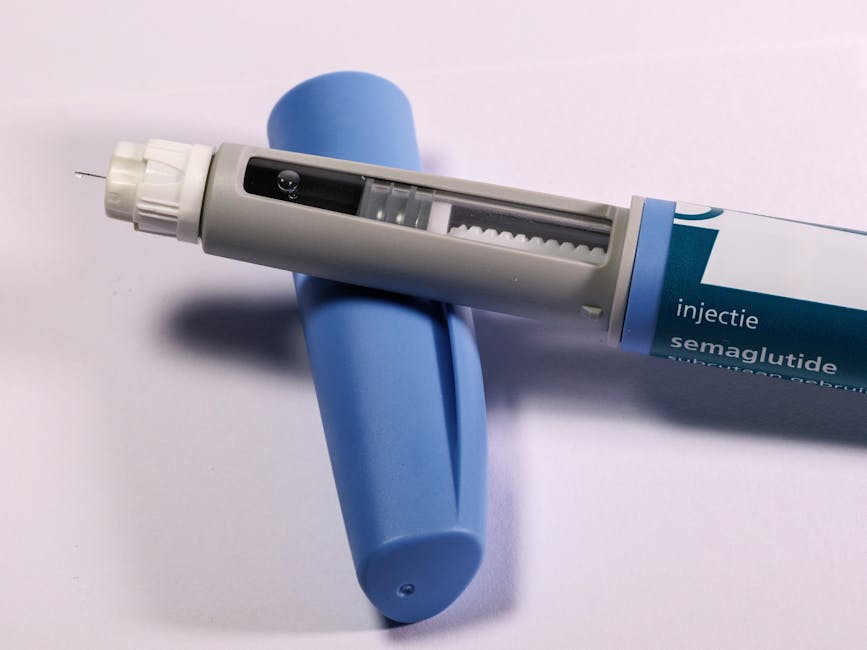
The rapid rise of GLP-1 receptor agonists like semaglutide and tirzepatide has transformed the clinical landscape for weight management and diabetes treatment over the last two years. As millions of patients adopt these weekly injectable medications, concerns have emerged across the hospitality, grocery, and medical sectors regarding potential nutritional side effects. Headlines have frequently speculated that rapid weight loss induced by appetite suppression could lead to severe micronutrient deficiencies, muscle wasting, and hidden malnutrition.
New clinical research has begun to clarify these concerns, presenting a far more nuanced picture of how GLP-1 drugs interact with daily dietary intake. Recent data highlighted in reporting by The Times confirms that the medications themselves do not actively block nutrient absorption or steal essential vitamins from the human body. Instead, the physiological mechanics of these drugs simply lower overall appetite and slow gastric emptying. The primary risk of nutritional deficit stems directly from reduced total food consumption rather than a chemical interference with nutrient uptake.
GLP-1 medications work by mimicking a naturally occurring gut hormone that targets areas of the brain regulating appetite and food intake. By delaying gastric emptying, the drugs help individuals feel full faster and remain satisfied for longer periods. This mechanism naturally reduces daily caloric intake, which drives weight loss. Critics and concerned observers had posited that this slowed digestion might impair the intestinal tract from properly absorbing micronutrients like iron, vitamin B12, calcium, and vitamin D.
The latest findings debunk the idea of pharmaceutical-induced malabsorption. Comparative trials demonstrate that the intestinal lining continues to absorb vitamins and minerals at normal efficiency rates while on GLP-1 therapy. Unlike certain surgical weight loss procedures that physically alter the digestive tract and bypass absorption zones, GLP-1 drugs leave the digestive architecture intact. The body retains its full biological capacity to process and utilize whatever nutrients are consumed.
While GLP-1 medications do not impair absorption mechanics, the dramatic decrease in food volume presents a distinct operational challenge for dietary balance. When patients consume significantly fewer calories each day, every bite must carry a higher concentration of essential nutrients to meet baseline physiological requirements. If an individual simply eats smaller portions of a low-nutrient, highly processed diet, they naturally risk developing micronutrient deficiencies over time.
Clinical nutritionists emphasize that the source of potential malnutrition is behavioral rather than pharmacological. Patients who skip meals entirely or rely on nutrient-poor snack foods while managing their suppressed appetite are at the highest risk. The medical consensus stresses that volume reduction requires a conscious pivot toward nutrient density. Protein intake becomes particularly critical to prevent the loss of lean muscle mass during periods of rapid caloric deficit.
IMPLICATIONS FOR FOOD AND BEVERAGE SECTORS
The clarification surrounding GLP-1 nutrition is reshaping how food manufacturers, grocery retailers, and restaurant operators approach product development. Early market fears suggested that GLP-1 users would stop eating out entirely or abandon packaged foods. However, consumer data indicates that while overall volume demands are dropping among users, demand for premium, nutrient-dense options is rising. Food brands are increasingly pivoting toward smaller portion sizes that offer high protein, fiber, and essential micronutrients.
Restaurateurs are also adjusting menu design to cater to patrons taking weight loss medications. Establishments are introducing high-protein small plates, nutrient-focused appetizers, and customizable side dishes that allow diners to prioritize nutrient quality over sheer volume. The shift represents a move away from hyper-caloric comfort foods toward functional, high-density meals. Industry analysts note that operators who adapt to these shifting consumer needs can maintain ticket sizes even as physical consumption declines.
BEST PRACTICES FOR MANAGING DIETARY INTAKE
Medical professionals recommend that individuals on GLP-1 regimens work alongside registered dietitians to monitor their daily intake. A balanced dietary plan under GLP-1 therapy prioritizes lean proteins such as poultry, fish, tofu, and legumes, alongside high-fiber vegetables, whole grains, and healthy fats. Supplementation may be recommended in specific cases where daily caloric intake falls below standard threshold levels, but whole foods remain the preferred delivery vehicle for essential nutrients.
Regular blood work remains an important monitoring tool for patients undergoing long-term treatment. Checking levels of ferritin, vitamin B12, vitamin D, and key electrolytes ensures that reduced caloric intake is not creating silent deficits over several months. Healthcare providers maintain that with proactive dietary planning and proper nutritional counseling, patients can successfully achieve significant weight loss while maintaining optimal nutritional health.
For consumers utilizing GLP-1 medications, the scientific evidence offers reassuring clarity about how these treatments interact with your body. You do not need to worry that the medication itself is stripping vitamins from your system or preventing your digestive tract from functioning properly. Your body retains its full capacity to absorb nutrients from the food you eat.
However, because you are likely eating significantly smaller meals, the quality of the food you choose becomes far more important. Focus on filling your reduced plate with protein-rich items, leafy greens, whole grains, and nutrient-rich ingredients to keep your body energized and prevent fatigue. If you are operating a food business or working in hospitality, these insights underline the growing commercial opportunity for nutrient-dense, high-quality small plates that cater to a changing consumer landscape.
Sources and methodology
Reported from the public datasets below.
More from the Foodie Pundit Newsroom
- How San Francisco Food Pop-Ups Are Transforming Into Permanent Restaurant Real Estate
- Precision Agronomy Transforms Commercial Supply Networks
- Inside New York City's Latest Wave of High Demand Restaurant Openings
- Old casual dining chains are straight up going bankrupt
- Precision Diets Push Restaurants Toward Era of Genetic Customization