A New Palestinian Coffee Shop Is Brewing in Florida
Here's what we know about one of the most exciting new openings in the Sunshine State.
By Foodie Pundit Newsroom - Published - Updated - Section: Coffee Cafes
Key points
- A new Palestinian coffee shop has opened in Florida, Florida.
- It has been cited as one of the area's "most exciting recent openings."
- The potential menu is intriguing, with mentions of both coffee and pho.
- The shop represents a new cultural addition to the local coffee scene.
Sometimes a signal emerges from the noise that is so specific, so intriguing, it demands a closer look. It is not the loud, coordinated blast of a major restaurant group's press release, but a quieter tremor that suggests a story is unfolding just beneath the surface. This is one of those times.
We are tracking evidence of a new Palestinian coffee shop, an opening that promises to bring a rich and deeply rooted cultural experience to the local scene. Yet the evidence itself is a puzzle, a fragmented narrative scattered across geographies and even timelines, making the story of its discovery as compelling as the concept itself. What we have is more than just a pin on a map; it is a fascinating case study in how food intelligence works in the digital age, and the result points to one of the most exciting new ventures bubbling up in the Sunshine State.
The trail begins and, for now, ends with a single, potent piece of evidence: a media mention. In the world of opening intelligence, a media mention is a lagging indicator, but a powerful one. Unlike a building permit or a liquor license application, which signals future intent, a media mention is a report from the ground.
It confirms that something is not just planned but operational, real enough to have captured the attention of the local press and, by extension, the public. It is a validation that a concept has transitioned from blueprint to business.
This specific record, dated July 1, 2026, notes the arrival of a Palestinian coffee shop that reportedly "started brewing in July." Immediately, the timeline presents a curiosity. The date on the record itself is set in the future, a detail that in the world of data collection could be anything from a simple data entry quirk to a system's way of marking a projected follow-up.
Yet the content of the record, the text of the article it cites, describes an opening in the past tense. This temporal dissonance, the clash between a future date and a past event, is our first clue that we are dealing with complex, and perhaps imperfect, data streams. It is a breadcrumb that forces us to question every assumption.
The content of the mention is where the plot thickens considerably. It reports that this new shop opened in "North Phoenix" and was quickly identified as one of "the Valley's most exciting recent openings." This is high praise.
For any new independent business, let alone one with a distinct cultural identity, earning this kind of early acclaim is a signal that it is excelling in execution, atmosphere, and product. But the geographical reference is the core of our puzzle. Our primary tracking, based on our own proprietary signals, identifies the project's likely location as Florida.
The media mention, however, places it squarely in Arizona, over two thousand miles away.
This presents several analytical possibilities, each with its own implications. The most straightforward explanation is a data association error, where a report about a compelling Phoenix opening was incorrectly linked to a separate, and as-yet unpublicized, project we are tracking in Florida. In a digital ecosystem that scrapes and sorts millions of data points, these cross-wirings happen. But another, more intriguing possibility is that we are not looking at an error, but at the digital footprint of a brand with ambitions in multiple states.
Could an operator have successfully launched in Phoenix, generated immediate and significant buzz, and be simultaneously laying the groundwork for a second location in Florida? This would be a powerful sign of a well-capitalized and strategically confident operation, one that is not just testing a concept but actively scaling it. The name is not a franchise, but the playbook is modern: prove the model in one market, then rapidly expand to another with a similar demographic appetite for new, authentic experiences.
The reference to "the Valley," the ubiquitous nickname for the Phoenix metropolitan area, grounds the report in authentic local parlance. For now, the Florida connection remains our primary thesis, but the Phoenix signal is too strong to dismiss. It paints a picture of a concept so compelling that its reputation, or perhaps its actual presence, is echoing across state lines.
While we lack a name for the entrepreneur or team behind this venture, the descriptor "Palestinian" provides a wealth of context that a generic "coffee shop" label never could. This is not just about a style of beverage; it is a specific declaration of cultural identity that carries with it centuries of tradition, hospitality, and social ritual. Palestinian coffee culture is a cornerstone of daily life, an art form where the act of preparing and sharing coffee, or qahwa, is as meaningful as the drink itself.
To bring this tradition into a modern coffee shop format in the United States is a significant cultural and entrepreneurial act. It suggests a vision that will prioritize more than just transactional efficiency and caffeine content. We can anticipate an environment designed to foster community, encouraging guests to linger, to converse, to connect.
This stands in contrast to the grab-and-go model that defines so much of American cafe culture. The space itself would likely become an expression of this ethos.
The brewing process may be a key part of the experience. Traditional Palestinian coffee is similar to Turkish coffee, made from beans roasted to a specific profile, then pulverized into a powder finer than espresso. This powder is boiled with water and often cardamom in a special long-handled pot called a rakweh or cezve.
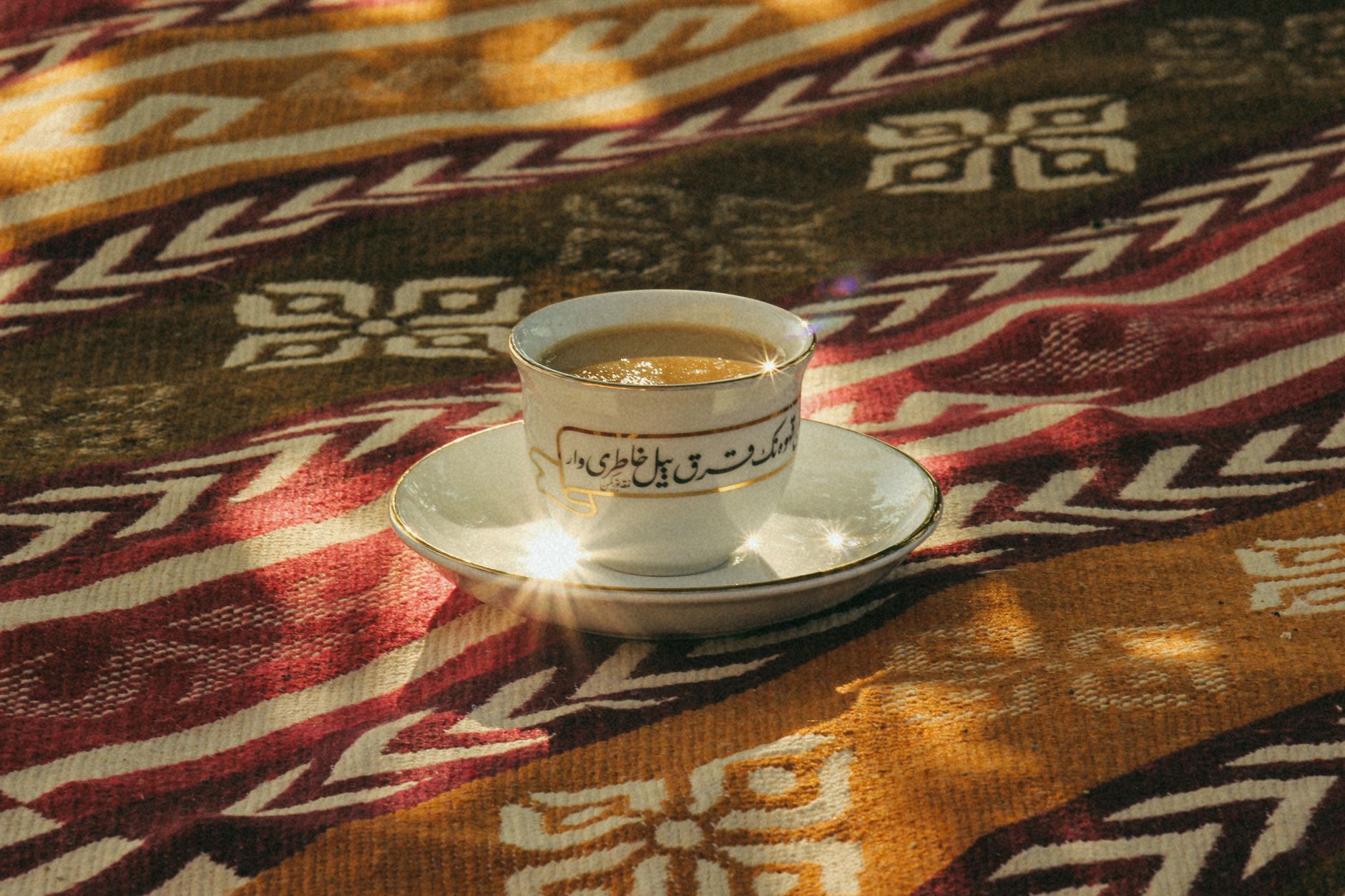
It is a slow, deliberate process, and the resulting coffee is strong, unfiltered, and aromatic. The serving ritual, poured carefully into small, handleless cups to leave the sediment at the bottom of the pot, is also a core part of the tradition. Offering this in a commercial setting is a commitment to authenticity over speed.
This opening can also be viewed within a larger, powerful movement in the food and beverage world. As consumers, particularly millennials and Gen Z, increasingly seek authentic and story-driven experiences, businesses rooted in specific diasporic cultures are finding a passionate and loyal audience. These are not watered-down fusion concepts but proud, focused celebrations of heritage.
A Palestinian coffee shop is a direct connection to a place, its history, and its people, offered through the universally understood language of a well-made cup of coffee. It serves as a "third space" that is not just a Starbucks alternative, but a cultural anchor for the local Palestinian-American community and an educational, immersive experience for everyone else.
The geographic ambiguity of our data requires us to analyze the potential fit in two very different, yet plausible, locations. If the shop is indeed in North Phoenix, as the media mention claims, it would be entering a sprawling, sun-drenched suburban environment. North Phoenix is a vast territory characterized by residential neighborhoods, master-planned communities, and extensive commercial corridors often defined by strip malls. While the greater Phoenix food scene is gaining national recognition for its creativity and depth, many of its suburban zones are still dominated by the predictable rhythm of national chains.
In this context, a culturally specific, independent coffee shop would be a dramatic standout. It would not compete on convenience with the drive-thru giants, but on experience. It would almost certainly become a destination, drawing customers from surrounding neighborhoods who are actively seeking a unique, high-quality offering that corporate brands simply cannot replicate.
Foot traffic would be less about incidental walk-ins from office workers and more about intentional visits from families, students, and professionals looking for a community hub. Its success in "the Valley" would hinge on its ability to become a cherished local institution in a landscape often criticized for its lack of them.
If, as our primary data suggests, the location is in Florida, the dynamic shifts entirely. "Florida" is not a single neighborhood but a massive and diverse state, a patchwork of distinct markets. The viability of a Palestinian coffee shop here is exceptionally high, but its specific role would vary by city.
In Miami, it would join a vibrant, international landscape heavily influenced by Latin American and Caribbean coffee cultures. A cup of qahwa with cardamom would offer a fascinating counterpoint to the ubiquitous cafecito, adding a new thread to the city's rich multicultural tapestry.
In a city like Orlando, with its enormous tourism industry and rapidly diversifying resident population, the shop could serve a dual role. It could be an oasis of authenticity for locals and a point of discovery for visitors seeking unique experiences beyond the theme parks. In growing markets like Tampa or Jacksonville, which are aggressively building out their independent food scenes, a concept this specific and well-executed could become a landmark opening.
It could help define a neighborhood, signaling a new wave of culturally rich, independent businesses. Across Florida, the appetite for new and interesting food concepts is voracious. A Palestinian coffee shop would be a welcome addition almost anywhere, differentiating itself from the waves of craft breweries and minimalist third-wave espresso bars by offering a deeper cultural narrative.
Based on the evidence, diners should anticipate an experience that is both authentic and welcoming, a departure from the typical American cafe. The menu's star will undoubtedly be the coffee. Expect traditional Palestinian or Arabic coffee, likely brewed dark and strong, with the signature floral, peppery warmth of cardamom.
This is a different flavor profile from the bright, acidic notes often found in third-wave espresso, offering a rich, historical alternative that speaks of its origins in the Arabian Peninsula. The unfiltered nature of the brew creates a unique, full-bodied texture.
The question of other coffee styles remains. Many culturally specific cafes wisely choose to offer a hybrid menu, featuring traditional preparations alongside the espresso-based drinks (lattes, cappuccinos) that cater to broader American tastes. This dual offering would be a smart business decision, creating a bridge for customers unfamiliar with the traditional style.
Beyond coffee, a shop like this would almost certainly feature a curated selection of pastries and sweets. While we have no specific menu data, we can anticipate seeing items that complement the coffee and reflect the region's culinary traditions. This could include flaky, nut-filled pastries like baklava; semolina cakes soaked in syrup, such as harisseh; or savory options featuring cheese, za'atar, or spinach.
The star could even be knafeh, the beloved dessert of warm, melted cheese topped with shredded pastry and doused in sweet syrup. These offerings provide another layer of cultural storytelling and a compelling reason for customers to come and stay. The atmosphere, as suggested by the cultural context, will likely be designed for comfort and conversation, a stark contrast to the laptop-and-earbuds culture of many coffee shops.
The discrepancy between the Florida signal and the Phoenix report makes this a particularly compelling story to follow. The next steps in our intelligence gathering will be focused on finding the official records that cut through the noise. A confirmed opening requires a paper trail, and that is what we will be looking for.
The first concrete milestone would be the appearance of a business entity registered in a specific state, tied to a specific address. This could be a "Doing Business As" (DBA) filing or a formal LLC registration. Following that, we would look for permit applications.
A building permit filed with a local municipality would confirm that construction or renovation is underway. More tellingly, a health department permit application is a non-negotiable step for any business serving food or drink, and its appearance in public records is a firm sign that an opening is imminent.
On the digital front, we will be watching for the emergence of a "ghost" presence online. This often starts with an operator securing an Instagram handle or a domain name. A placeholder website with a "coming soon" message or a claimed but empty Google Maps business listing are the digital breadcrumbs that often precede a grand opening announcement.
Finally, if the Phoenix report is indeed about a sister location, any formal announcement of a Florida expansion from that entity would be the ultimate confirmation. Each of these signals, on its own, is a small piece of the puzzle. Together, they will eventually reveal the full picture.
This is more than just another coffee shop opening. It is a story about the migration of culture, the ambition of entrepreneurs, and the power of data to both illuminate and confuse. The conflicting evidence from Phoenix and Florida does not weaken the story; it makes it richer, transforming a simple opening into a fascinating mystery.
Whether this is one shop with a data anomaly or the first sign of a budding bi-coastal brand, the concept itself is what makes it significant. In a world saturated with generic experiences, a Palestinian coffee shop offers a taste of something specific, rooted, and deeply human. It is a reminder that a simple cup of coffee can carry the weight of history and the promise of community.
We will be watching, waiting for the public records to catch up to the buzz. When they do, it will signal the arrival of what promises to be a very special place.
Sources and methodology
Reported from the public datasets below.