Nyc's new hot spots got everyone fighting for reservations
A fresh wave of standout eateries across Manhattan and Brooklyn is driving historic demand and reshaping local reservation dynamics.
By Foodie Pundit Newsroom - Published - Updated - Section: Restaurants
Key points
- New York City hot spots are combining high culinary precision with viral appeal to fill dining rooms.
- Brooklyn venues continue to gain ground by pairing top tier food with approachable neighborhood atmospheres.
- Flexible menu formats and interactive tableside experiences are driving strong consumer engagement.
- Strategic booking tactics remain essential for diners seeking access to prime reservation slots.
New York City remains the undisputed epicenter of global gastronomy, where culinary trends emerge overnight and reservation books fill up within seconds. A recent wave of venue openings across Manhattan and Brooklyn has redefined the city expectations for high-end dining, casual neighborhood bistros, and specialized regional concepts. Food lovers and industry analysts alike are turning their attention to a curated selection of breakout establishments that are setting new benchmarks for hospitality and execution.
According to reporting from the Michelin Guide, the current class of standout restaurants achieves a rare balance between viral aesthetic appeal and rigorous culinary technique. Diners are no longer satisfied with mere social media buzz; they demand high-level sourcing, precise execution, and distinctive atmosphere. The resulting competitive environment has forced operators to elevate every aspect of the guest experience, from cocktail programs to pastry production.
In Manhattan, the concentration of dining interest spans from the historic streets of the West Village to the bustling corridors of Midtown and the Lower East Side. New establishments in these neighborhoods are carving out distinct identities by taking traditional formats and infusing them with contemporary techniques. A classic French bistro might feature hyper-local seasonal produce, while a traditional Japanese omakase counter incorporates subtle European influences into its fish preparations.
The surge in demand for these venues has made securing a table one of the most challenging aspects of modern dining. Industry data suggests that prime-time dinner slots at the city most sought-after tables are claimed within moments of being released on digital booking platforms. Operators are using creative seat management techniques, including offering extensive bar seating and walk-in lines, to ensure local regulars still have a chance to dine alongside out-of-town visitors.
Across the East River, Brooklyn continues to solidify its reputation as a powerhouse of culinary innovation, offering concepts that rival the sophistication of Manhattan while maintaining a distinctly relaxed neighborhood vibe. Neighborhoods like Williamsburg, Greenpoint, and Brooklyn Heights have seen a fresh influx of ambitious dining projects that emphasize open-fire cooking, natural wine programs, and hyper-specific regional cuisines.
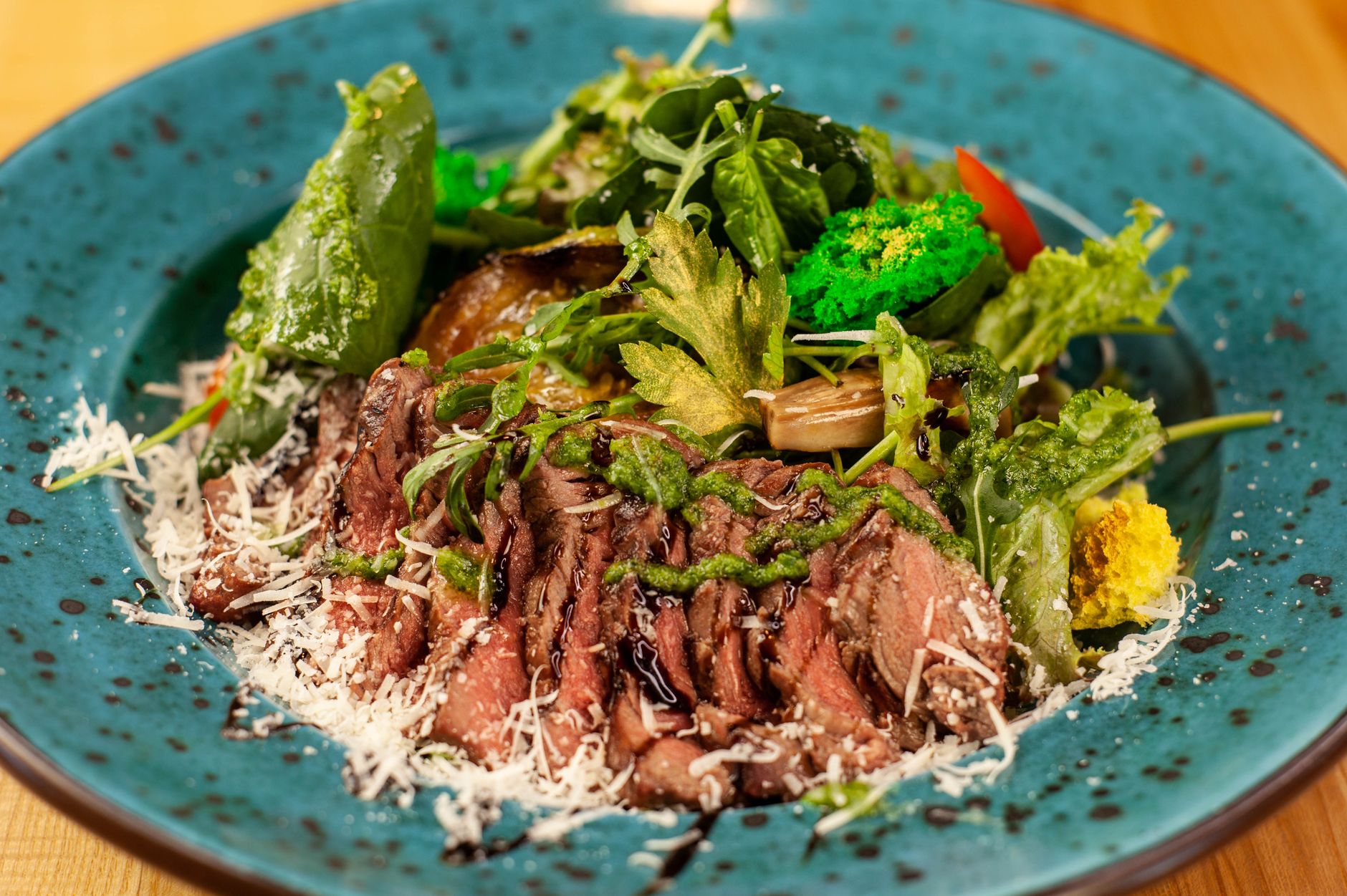
The appeal of these Brooklyn establishments lies in their ability to deliver world-class gastronomy without the stiffness historically associated with fine dining. Diners can enjoy dry-aged steaks, handmade pastas, or intricate seafood dishes in unpretentious settings designed for community gathering. Michelin inspectors note that this blend of exceptional food and approachable hospitality continues to attract top culinary talent away from traditional fine-dining institutions.
A close examination of these popular venues reveals several overarching trends that are shaping the broader restaurant economy. First is the resurgence of tableside service and classic hospitality touches, reinterpreted for a younger demographic that values experience over pretense. Guests are looking for memorable moments, whether that means a custom martini cart, hand-carved roast meats, or dynamic dessert presentations prepared directly at the table.
Second, menu formats are becoming increasingly flexible to accommodate shifting consumer habits. While tasting menus remain popular for special occasions, many top-tier restaurants now offer robust a la carte options at the bar or in the main dining room. This shift allows guests to tailor their spending and dining duration, making high-end restaurants more accessible for midweek dining rather than reserving them exclusively for major celebrations.
The underlying economic engine driving this restaurant boom is rooted in prime commercial real estate and sophisticated reservation algorithms. Restaurant groups are investing heavily in interior design and acoustics to create immersive environments that encourage longer stays and higher average checks. At the same time, third-party reservation platforms have changed how diners discover and book tables, creating an intense secondary market for prime dining times.
For operators, maintaining high demand requires a delicate balancing act between managing costs and exceeding guest expectations. Rising prices for ingredient sourcing, labor, and commercial rent mean that margins remain razor thin, even for venues that operate at full capacity every night. Success in today market relies heavily on high inventory turnover, efficient kitchen management, and cultivating a loyal base of repeat customers who keep the dining room full during off-peak hours.
For everyday diners and food enthusiasts, navigating the New York City restaurant scene requires strategy and flexibility. Understanding when reservation windows open on digital platforms is essential if you hope to book a prime weekend slot at one of the city top-rated venues. Joining waitlists, opting for early or late dining times, and utilizing bar seating for full-menu service are reliable methods for accessing hard-to-get tables without planning months in advance.
From a financial perspective, dining out at premier establishments represents a significant investment, as average check sizes continue to reflect broader economic inflationary pressures. Consumers should look for venues that offer clear value through exceptional ingredient quality, generous portioning, and memorable service. Supporting neighborhood spots during midweek service not only provides a great meal, but also helps sustain the vibrant culinary ecosystem that makes New York City a global dining capital.
Sources and methodology
Reported from the public datasets below.
- U.S. Census Bureau - Monthly Retail Trade, food services
- Federal Reserve Economic Data (FRED) - Food services and drinking places series
- U.S. Census Bureau - Monthly Retail Trade, food services
- Federal Reserve Economic Data (FRED) - Food services and drinking places series
- Michelin Guide - NYC's Hottest Restaurants You Need to Try ASAP - Aug 2026
More from the Foodie Pundit Newsroom
- Clearwater beach’s marina grille ghosted us all
- Honolulu, HI is serving pricier plates this quarter
- Tiktok dessert hacks kill restaurant profits and change grocery runs
- Tomato biopesticide approved but your sauce is safe, not cheaper
- Bella Foods surfaces in a dusty EPA file, but don't expect menu changes