That Orange on Your Counter? It Traveled Further Than You Did Last Year
Discover why the price of oranges is soaring. A 70% drop in US production from citrus greening and drought has shifted supply to costly global imports.
By Foodie Pundit Newsroom - Published - Updated - Section: Sustainability
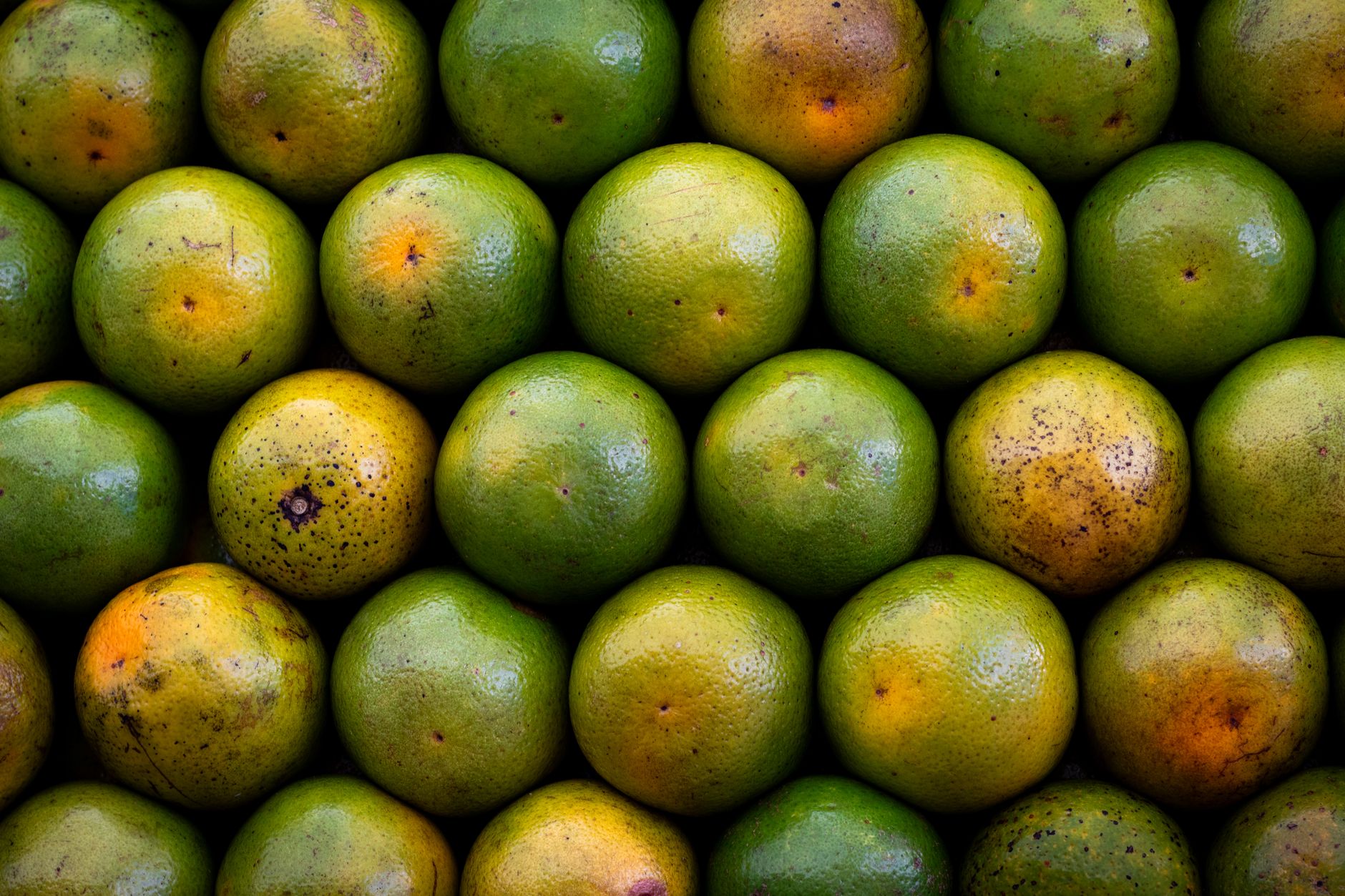
Key points
- US orange production has fallen over 70% in two decades due to disease and climate issues, forcing a major shift to imports.
- Oranges now travel thousands of miles from South Africa, Chile, and Peru, creating a complex and costly global supply chain.
- Soaring transportation and cold storage costs, driven by fuel prices and logistics, are passed directly to consumers.
- Expect orange and orange juice prices to remain high for the long term, as the root causes of the supply shift are structural.
- Consumers may need to adjust shopping habits, pay attention to origin labels, and seek alternative sources of Vitamin C.
The journey of a single orange, from a sun-drenched grove to a fruit bowl in a suburban American kitchen, has become one of the most complex and precarious logistical ballets in the modern food system. Consumers, accustomed to year-round availability of this staple fruit, are largely unaware of the immense distances, intricate supply chains, and mounting pressures that conspire to keep citrus in stock. The simple act of buying an orange now involves a silent transaction with growers and distributors thousands of miles away, navigating a web of climate change, disease, and soaring transportation costs.
Not long ago, a significant portion of the United States' orange supply, particularly for fresh consumption, was a domestic affair dominated by Florida and California. Florida, the historical titan of American orange juice, produced for processing, while California specialized in the fresh navel and Valencia oranges found in produce aisles. This system, while not without its challenges, was relatively contained.
Today, that picture has been completely redrawn. The American orange is now, more often than not, a global traveler.
Data from the United States Department of Agriculture (USDA) paints a stark picture of this shift. Over the past two decades, U.S. orange production has plummeted by more than 70 percent. In the early 2000s, American groves yielded over 12 million tons of oranges annually.
By the 2022-2023 season, that number had fallen to just over 3 million tons. This precipitous decline has forced retailers and juice companies to look far beyond domestic borders, transforming the citrus aisle into a map of the Southern Hemisphere.
Today, the oranges filling American grocery carts are increasingly likely to have originated in South Africa, Chile, Peru, or even Australia. These countries, with their favorable climates and opposing growing seasons, have stepped in to fill the cavernous gap left by the struggles of the American citrus industry. This globalization of the orange supply ensures a steady stream of fruit, but it comes at a significant and often hidden cost, fundamentally altering the economics and environmental footprint of this everyday item.
The crisis in American citrus has its epicenter in Florida, a state synonymous with orange groves. The primary culprit is a devastating disease known as Huanglongbing (HLB), or citrus greening. Spread by an invasive insect, the Asian citrus psyllid, the bacterial disease starves citrus trees of nutrients, resulting in small, bitter, and unsalable fruit before eventually killing the tree. Since its arrival in Florida in 2005, HLB has been nothing short of a catastrophe for the state's growers.
Production figures reveal the scale of the damage. In its peak 1997-1998 season, Florida produced 244 million boxes of oranges. By the 2022-2023 season, the harvest had collapsed to a mere 15.8 million boxes, an almost incomprehensible 93 percent reduction.
This has been compounded by a series of increasingly powerful hurricanes, such as Hurricane Ian in 2022, which alone wiped out an estimated 30 percent of the remaining crop. The result is a landscape of abandoned groves and a multi-generational industry fighting for survival.
California, the other domestic citrus powerhouse, has fared better but is not immune. While it has so far managed to keep widespread HLB infection at bay through aggressive quarantine and removal programs, the threat looms constantly. Furthermore, California growers are grappling with their own set of existential challenges, primarily severe water shortages and recurring droughts.
Decades of battling for water rights in an increasingly arid climate have made citrus farming an ever more expensive and uncertain proposition. As a result, even California's output has seen declines, contributing to the nation's growing reliance on imported fruit.
This domestic decline has sent shockwaves through the supply chain. American juice processors, once reliant on a steady stream of Florida Valencias, now heavily depend on frozen concentrated orange juice (FCOJ) imported from Brazil and Mexico. For the fresh market, the reliance on the Southern Hemisphere is now structural. Without imported navel oranges from South Africa and Chile from June through October, fresh oranges would simply disappear from many U.S. supermarkets during the summer and fall months.
The shift to a global sourcing model has turned the orange supply chain into a marvel of modern logistics, but also a source of new vulnerabilities. Getting an orange from a farm in the Western Cape of South Africa to a distribution center in Ohio involves a journey of over 7,500 miles, crossing oceans and continents.
This process begins with harvesting, packing, and pre-cooling the fruit to near-freezing temperatures. The oranges are then loaded into refrigerated shipping containers, known as "reefers," for a sea voyage that can last three to four weeks. These specialized containers are essentially mobile cold-storage units, maintaining a precise temperature and atmosphere to prevent spoilage.
The cost of this specialized shipping has skyrocketed. Post-pandemic supply chain disruptions, coupled with rising fuel costs and geopolitical instability, have driven container shipping rates to historic highs, adding a significant per-unit cost to every orange that makes the journey.
Upon arrival at a U.S. port, such as Philadelphia or Los Angeles, the citrus must clear customs and undergo rigorous inspection by USDA officials to prevent the introduction of foreign pests and diseases.
This is a critical but time-consuming bottleneck. From the port, the oranges are loaded onto refrigerated trucks for domestic distribution, a journey that can add several more days and hundreds or thousands of miles before they reach a regional grocery warehouse.
Each leg of this journey adds cost and risk. A delay at sea, a breakdown in a reefer unit, a backlog at port, or a shortage of truck drivers can all jeopardize a shipment worth hundreds of thousands of dollars. The energy required to power this "cold chain" from farm to retailer is immense, contributing to the significant carbon footprint of imported produce. Consumers who champion locally-sourced food for environmental reasons are often unknowingly participating in a globalized system when they pick up a bag of oranges in August.
The culmination of these agricultural and logistical pressures is inevitably felt at the checkout counter. The retail price of fresh oranges and orange juice has been on a steady upward climb, far outpacing general food inflation. According to the Bureau of Labor Statistics, the consumer price index for orange juice has seen some of the sharpest increases in the entire food and beverage category, with prices for FCOJ on commodities markets repeatedly hitting record highs.
A standard four-pound bag of navel oranges that might have cost $4.00 a decade ago can now easily retail for $6.00 or $7.00, depending on the season and origin. This price reflects not only the farmer's struggle against disease and drought but also the soaring costs of diesel, ocean freight, and cold storage. Retailers operate on thin margins and have little choice but to pass these increased input costs on to the consumer.
This has led to a noticeable impact on consumption patterns.
As prices rise, some households are forced to treat oranges, once a cheap and ubiquitous source of Vitamin C, as a semi-luxury item. Sales data indicates that when citrus prices spike, volume sales tend to dip as consumers either buy less or seek out cheaper alternatives like apples or bananas, which have more stable, domestically-focused supply chains. The orange juice section has seen a similar trend, with consumers trading down to smaller container sizes or shifting to alternative beverages as a gallon of orange juice approaches the $10 mark in some New York and London markets.
More from the Foodie Pundit Newsroom
- SF plates hit $21.24 as sushi, seafood costs surge
- GLP-1 Drugs Reshape Restaurant Economics as Medical Uses Expand Beyond Weight Loss
- The Fish Fry Fortune: What Flanigan's Latest Numbers Mean for Your Next Dinner Out
- That Viral Hot Chocolate Recipe? It Might Just Bite Back
- A Tampa Mall Food Court Is Getting An Upgrade. ## Or Is It?