Otter Pop Cookies Erupt on TikTok as Low-Cost Nostalgia Drives Summer Food Trends
Viral video trends are turning retro frozen novelties into budget-friendly summer treats while driving retail sales in unexpected ways.
By Foodie Pundit Newsroom - Published - Updated - Section: Desserts Snacks
Key points
- Viral social media trends are transforming traditional ice pops into quick, no-bake freezer cookies.
- Nostalgia marketing continues to drive high engagement and retail sales for legacy food brands.
- No-bake summer recipes appeal to cost-conscious consumers seeking to avoid utility costs from heating ovens.
- Grocery supply chains face sudden demand spikes for shelf-stable staples driven by short-form video media.
THE NO-BAKE TIKTOK TREND TAKING OVER SUMMER DESSERTS
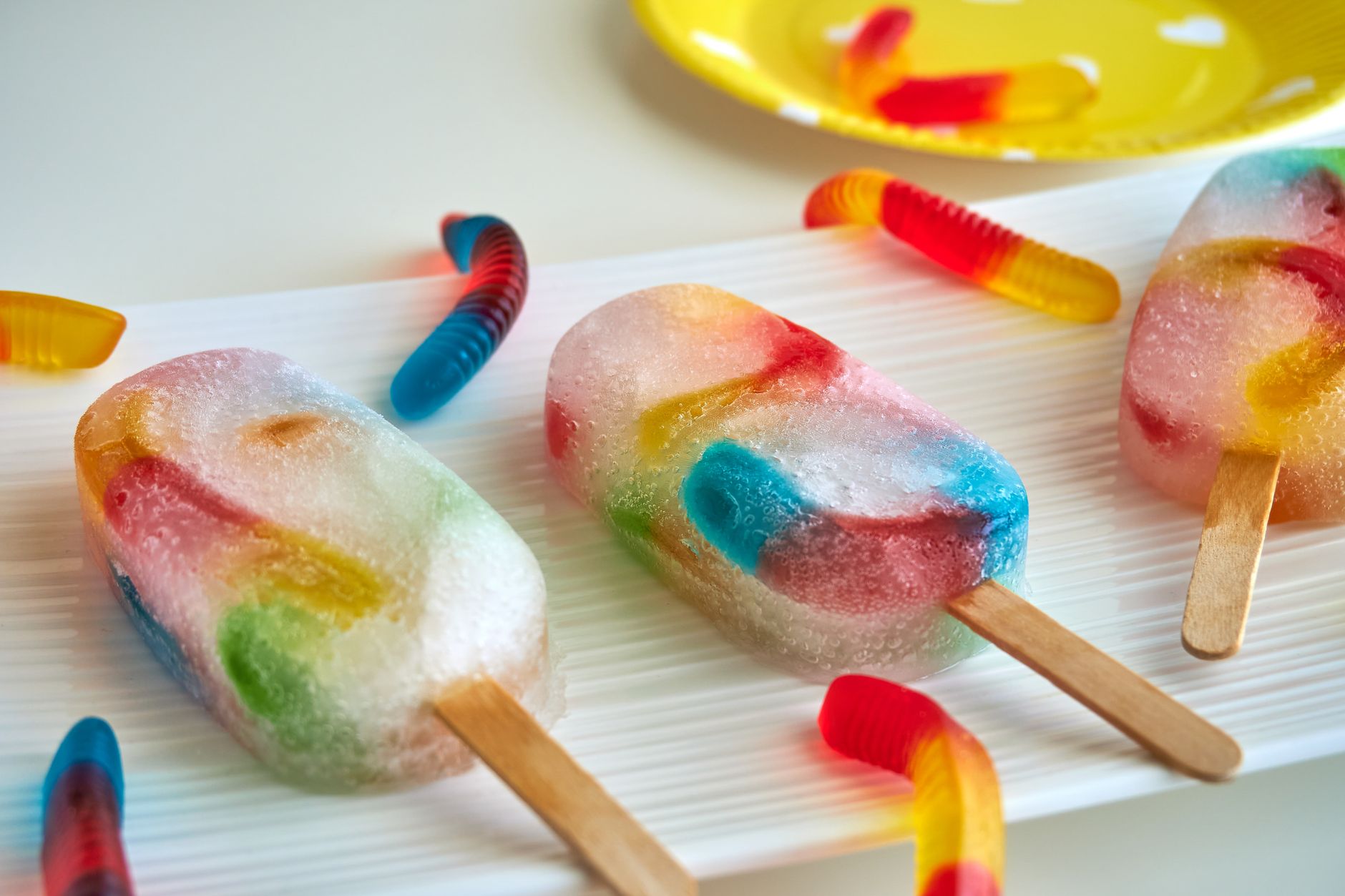
Social media platforms have long served as testing grounds for unconventional culinary creations, but a recent viral phenomenon has captured the attention of nostalgic consumers and food industry analysts alike. The trend involves transforming Otter Pops, the classic plastic-sleeved ice pops that defined childhood summers for decades, into vibrant no-bake cookies. According to reporting by Today.com, videos showcasing these colorful, frozen treats have accumulated millions of views across TikTok, sparking widespread interest among home cooks looking for effortless summer recipes.
The premise behind the viral dessert is deceptively simple, combining crushed ice pops with condensed milk, whipped topping, and crushed graham crackers or vanilla wafers to create a textured, frozen cookie bar. The resulting dish offers a striking neon aesthetic that translates perfectly to short-form video formats, driving high engagement and user-generated content. Beyond its visual appeal, the recipe capitalizes on low prep times and minimal ingredient costs, making it accessible to demographic groups facing broader economic pressures.
NOSTALGIA MARKETING DRIVES CONSUMER ENGAGEMENT
The sudden popularity of Otter Pop cookies highlights a broader macroeconomic force currently shaping the consumer packaged goods sector: nostalgia marketing. Brand managers and packaged food executives have increasingly turned to nostalgic flavor profiles to capture consumer spend during uncertain economic times. By leveraging an established brand like Otter Pops, social media creators tap into deeply ingrained emotional connections, converting lingering brand equity into modern digital engagement.
For decades, frozen novelty treats were marketed primarily to parents purchasing snacks for young children during peak heat waves. Today, those same children are adults with purchasing power and active social media accounts. When familiar products are reimagined in novel formats, it creates a powerful cross-generational appeal that drives immediate sales lift for basic pantry staples like graham cracker crumbs and sweetened condensed milk.
THE COST STRUCTURE OF VIRAL DESSERT HACKS
From an economic perspective, the appeal of viral no-bake desserts lies in their accessible price point and high margin efficiency for home cooks. Unlike traditional baking recipes that require inflation-impacted staples like butter, fresh eggs, and high-grade flour, no-bake freezer treats rely on shelf-stable ingredients with lower price volatility. A full batch of Otter Pop cookies can be produced for under ten dollars, yielding multiple servings with zero energy spend from running a traditional kitchen oven during hot summer months.
This utility cost factor is an understated driver of summer recipe trends. As regional electric utilities increase peak-hour summer rates across major metropolitan markets, home cooks actively seek out zero-heat preparation methods. The convergence of low ingredient cost and zero utility heat spend makes freezer-based viral recipes financially attractive to budget-conscious households.
RETAIL RIPPLE EFFECTS AND SUPPLY CHAIN IMPACTS
When a recipe achieves critical mass on platforms like TikTok, retail grocery supply chains feel the immediate downstream effects. Center-store packaged goods categories that typically experience predictable, seasonal demand curves can suddenly face regional stockouts. Grocery store managers report localized spikes in sales for shelf-stable sweetened condensed milk and specific brand-name ice pops whenever a regional viral trend takes hold.
Food distributors are increasingly monitoring social media algorithms to anticipate these sudden demand shifts. While traditional promotional calendars are planned six to twelve months in advance, viral recipe trends require real-time inventory adjustments and agile endcap merchandising. Retailers that can quickly bundle ice pops, graham crackers, and dairy mixers near store entrances stand to capture high-margin impulse purchases from curious shoppers.
The rapid dissemination of the Otter Pop cookie recipe illustrates how short-form video platforms have fundamentally altered the food media ecosystem. Traditional digital food publications traditionally relied on long-form blog posts, extensive SEO optimization, and detailed step-by-step photography to build audience trust. Today, a fifteen-second clip showcasing bright colors, simple assembly steps, and a dramatic final reveal can outperform established food brand campaigns in total reach.
This structural shift forces traditional food media outlets and CPG brands to adapt their content strategies rapidly. As reported by Today.com, media networks must continually monitor social feeds to amplify emerging home kitchen trends rather than relying solely on internal test kitchen recipe development. The democratized nature of social video means that consumer adoption happens almost instantaneously, bypassing traditional recipe testing cycles.
For the average consumer, the rise of viral no-bake treats offers a fun, low-risk way to experiment in the kitchen without spending significant money or heating up the house. You can create eye-catching summer desserts using inexpensive pantry items and familiar childhood snacks, making it an ideal option for budget-friendly entertaining.
For retail shoppers and meal planners, keeping an eye on emerging social media food trends can help explain sudden price fluctuations or temporary inventory shortages in basic baking aisles. Understanding how these viral moments operate empowers you to grab key ingredients before localized demand surges drive up costs or empty local grocery store shelves.
More from the Foodie Pundit Newsroom
- McDonald's Overhauls Kitchen Operations to Upgrade Core Menu and Big Mac Recipe
- How the Girl Dinner Movement Is Reshaping Evening Food Economics
- Why Retail Food Prices Are Unlikely to Decline Anytime Soon
- Girl Dinner Resurfaces as Summer Heat Drives Demand for Low-Effort Grazing Meals
- How Sonic Profitably Harnesses Viral Off-Menu Pickle Juice Beverage Trends