PAKISTAN CONFRONTS SPIRALING FOOD PRICES AMID ECONOMIC HEADWINDS
A convergence of global supply chain disruptions, domestic policy challenges, and climate-related agricultural shocks has pushed essential food items beyond the
By Foodie Pundit Newsroom - Published - Updated - Section: Sustainability
Key points
- Food inflation in Pakistan is driven by a combination of global commodity price hikes, domestic supply chain inefficiencies, and severe climate-related agricultural damage.
- Pakistani households, especially low and middle-income families, are experiencing a significant decline in purchasing power, forcing cuts in food consumption and nutritional quality.
- Government responses like price controls and subsidies have provided only temporary relief while straining national finances, and monetary tightening has slowed economic activity.
- Long-term solutions require structural reforms, including modernizing the agricultural sector, improving supply chain infrastructure, and strengthening social safety nets for vulnerable populations.
- The recurring cycle of food price crises poses a significant threat to social stability and long-term economic development, highlighting the need for consistent, forward-looking policy.
A wave of relentless food inflation is washing over Pakistan, creating profound economic and social distress for its more than 240 million people. The escalating cost of basic staples like wheat, sugar, cooking oil, and vegetables is not merely a statistic on an economic report; it represents a daily struggle for survival for millions of households, reshaping family budgets and national priorities. This crisis, as noted by observers like The News International before its reporting became unavailable, stems from a complex interplay of international market volatility, systemic domestic issues, and severe climate shocks.
The numbers paint a stark picture. In recent periods, Pakistan has witnessed food inflation rates climbing into the double digits, with sensitive food price indices frequently reporting year-on-year increases exceeding 30 percent and, in some volatile months, even 40 percent. For the average Pakistani family, which often spends more than 40 percent of its income on food, these increases are catastrophic.
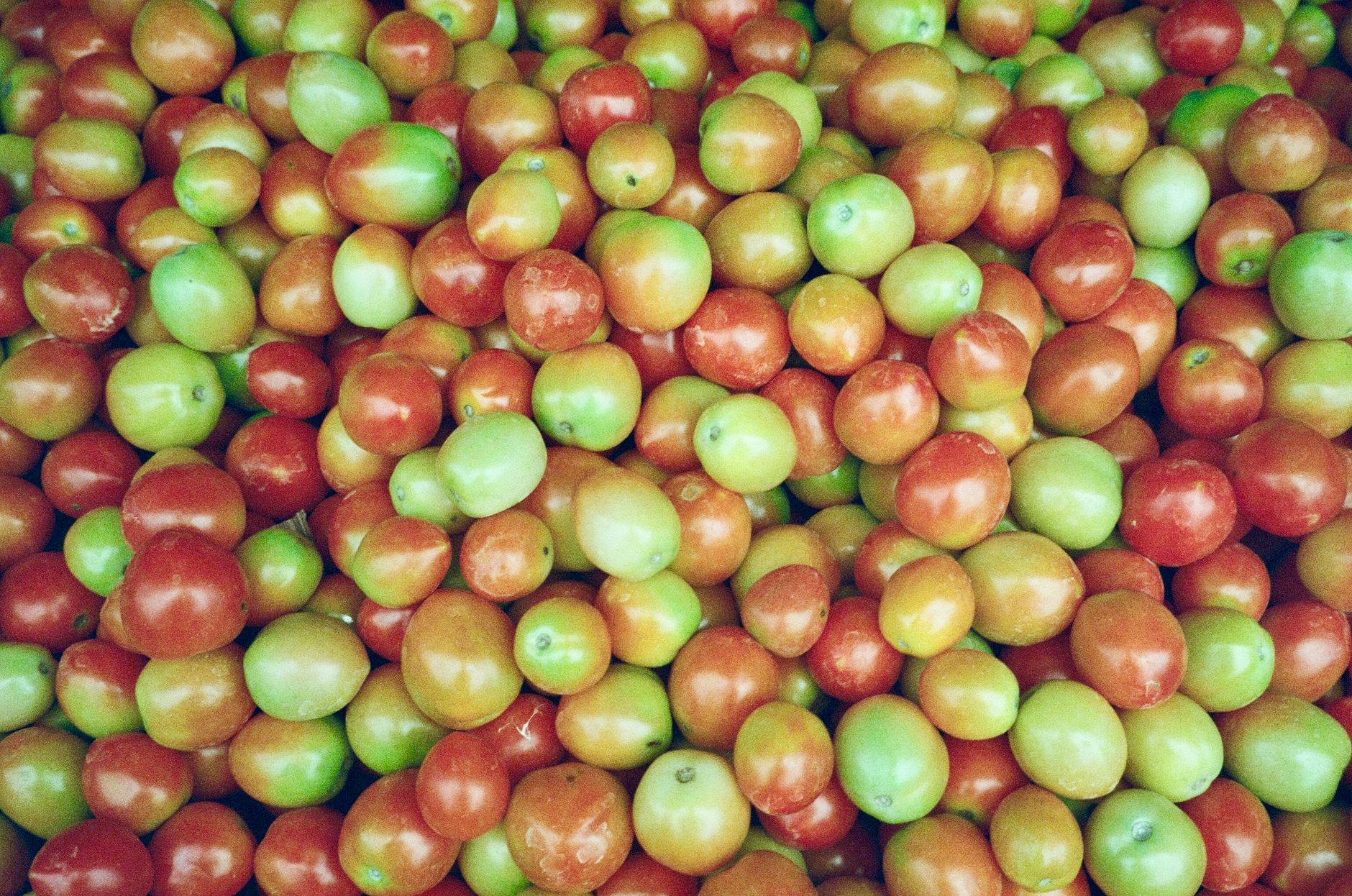
The price of a 20-kilogram bag of wheat flour, the primary ingredient for roti, the nation's staple flatbread, has seen dramatic and politically sensitive spikes. Similarly, prices for poultry, lentils, onions, and tomatoes have experienced severe volatility, making a balanced diet an unaffordable luxury for a growing segment of the population.
This inflationary pressure is not a monolithic force but a confluence of several powerful currents. On the global stage, Pakistan remains vulnerable to fluctuations in commodity prices. The country is a significant importer of key food items, including edible oils like palm and soybean oil, as well as certain pulses.
Following the COVID-19 pandemic and geopolitical conflicts such as the war in Ukraine, global supply chains have been thrown into disarray. Shipping costs soared, and the prices of agricultural inputs like fertilizer and fuel reached record highs, with those costs inevitably passed down to import-dependent nations like Pakistan.
While global factors provide the backdrop, Pakistan's specific domestic challenges have amplified the crisis. Decades of inconsistent agricultural policies, underinvestment in rural infrastructure, and a fragmented supply chain have created an environment ripe for price manipulation and inefficiency. The journey from farm to market is often fraught with intermediaries, each adding a layer of cost.
Hoarding and speculative trading by powerful cartels have become rampant, particularly for essential commodities like sugar and wheat. These groups often create artificial shortages to drive up prices, exploiting the information gap and lack of regulatory oversight.
The government's response has been a mix of subsidies, price caps, and administrative crackdowns. However, these measures have often proven to be temporary fixes rather than long-term solutions. Subsidies, while politically popular, place an immense strain on the national exchequer, which is already grappling with a significant fiscal deficit and external debt obligations. Price controls are difficult to enforce uniformly across the country's vast and informal economy, often leading to shortages as suppliers withdraw from the market rather than sell at a loss.
The State Bank of Pakistan has been forced to walk a tightrope, using monetary policy to combat inflation. It has repeatedly raised its key policy rate to curb aggregate demand and stabilize the economy. While necessary, these interest rate hikes also increase the cost of borrowing for farmers and food producers, potentially stifling investment in agricultural productivity and modernization. It is a classic economic dilemma: the medicine to cure inflation can sometimes slow the very growth needed to create economic resilience.
Compounding these economic woes is the escalating threat of climate change. Pakistan is ranked among the top ten most vulnerable countries to climate-related disasters. The catastrophic floods of 2022 were a devastating reminder of this vulnerability.
The floods submerged an estimated one-third of the country, decimating millions of acres of standing crops, including cotton, wheat, and vegetables. Billions of dollars in agricultural losses were recorded, and critical infrastructure like roads, bridges, and storage facilities was washed away.
The immediate aftermath saw a severe shortage of essential food items, particularly onions and tomatoes, with prices skyrocketing overnight. The destruction of livestock and poultry farms further constrained the supply of protein. These climate-induced agricultural shocks are becoming more frequent and intense, disrupting planting and harvesting cycles and making long-term food security an increasingly precarious goal.
The reliance on a water-intensive agricultural model, fed by the Indus River system, is under threat as glaciers melt and weather patterns become more erratic. Without significant investment in climate-resilient agriculture, including water management systems and drought-resistant crops, these supply-side shocks will continue to fuel food inflation.
Behind the macroeconomic data lies a profound human cost. The urban poor and middle class are being squeezed from all sides. Wages have not kept pace with the torrid rate of inflation, leading to a sharp decline in real purchasing power.
Families are forced to make impossible choices: reducing the number of meals per day, cutting back on nutritious but expensive items like meat and fresh vegetables, and pulling children out of school to save on fees or send them to work. The pressure is particularly acute for daily wage earners and those in the informal sector, who lack a safety net and are most exposed to economic volatility.
Nutritional outcomes, already a challenge in Pakistan, are worsening. According to UNICEF and the World Food Programme, rates of stunting and wasting in children under five remain alarmingly high. Food inflation directly exacerbates this public health crisis, as households substitute cheaper, calorie-dense but nutrient-poor foods for a more balanced diet. The long-term consequences of this trend are dire, impacting cognitive development, health outcomes, and the future productivity of an entire generation.
The social fabric is also showing signs of strain. Public anger and frustration over rising living costs have fueled protests and political instability. The government faces immense pressure to provide relief, but its policy options are constrained by the stringent conditions of international bailout packages, such as those from the International Monetary Fund (IMF), which typically require fiscal consolidation, the removal of subsidies, and market-based exchange rates. These measures, while aimed at achieving long-term macroeconomic stability, often inflict short-term pain on the general population, creating a volatile political environment.
Addressing Pakistan's food inflation crisis requires a multi-pronged strategy that moves beyond short-term fixes. A foundational step is modernizing the agricultural sector. This involves investing in research and development to improve crop yields, promoting climate-resilient farming techniques, and improving water management through initiatives like drip irrigation. Enhancing agricultural extension services can provide farmers with the knowledge and tools they need to adapt to changing conditions and improve productivity.
Reforming the food supply chain is equally critical. Investment in cold storage facilities, farm-to-market roads, and modern logistics can reduce post-harvest losses, which are currently estimated to be as high as 30 to 40 percent for some perishable goods. Digitizing the supply chain and creating transparent commodity markets can help break the grip of exploitative middlemen and cartels, ensuring that farmers receive a fairer price for their produce and consumers pay less. The use of technology, such as mobile apps to provide real-time market price information, can empower both farmers and consumers.
Strengthening social safety nets is essential to protect the most vulnerable segments of the population. Programs like the Benazir Income Support Programme (BISP) provide a crucial lifeline through direct cash transfers. Expanding the reach and adequacy of these programs can help cushion the poor from the worst impacts of inflation. Targeted subsidies, directed specifically at low-income households for essential food items, can be a more efficient and fiscally sustainable approach than broad, untargeted subsidies.
Finally, achieving macroeconomic stability is the bedrock upon which any sustainable solution must be built. This requires consistent and predictable fiscal and monetary policies aimed at controlling inflation, managing the national debt, and creating an environment conducive to investment. Bolstering trade policy to diversify import sources and seek more favorable terms can also mitigate exposure to global price shocks. These are not easy tasks, and they require political will and a long-term vision that transcends electoral cycles.
The crisis of food inflation in Pakistan is a complex challenge with deep roots and far-reaching consequences. It serves as a stark illustration of how global forces, domestic policy, and environmental vulnerabilities can converge to impact the most fundamental aspect of human life: the ability to afford to eat. For businesses operating in or sourcing from the region, this environment presents significant risks, including supply chain disruptions, a decline in consumer purchasing power, and social instability.
For policymakers and international organizations, it underscores the urgent need for integrated strategies that build resilience at every level, from the smallholder farmer to the national economy. Navigating this period of turmoil requires a clear-eyed understanding of the interconnected risks and a commitment to long-term, structural reforms. The path forward is difficult, but ignoring the problem is not an option, as the well-being of a nation hangs in the balance.
Sources and methodology
Reported from the public datasets below.
More from the Foodie Pundit Newsroom
- Grocery Inflation Cools As Major Retailers Report Slowing Supplier Price Hikes
- That Can of Tomatoes on Your Shelf Tells a Story About Water, Wages, and Wall Street
- Spirits and Fine Wine Market Shifts Toward High-Value Premiumization
- How Peru's High-End Restaurant Boom Transformed National Food Economics
- The New Architecture of Luxury Dining Restructures High-End Restaurant Economics