Pantry Dining Goes Mainstream As Grocery Brands Capitalize On Grazing Culture
How a viral TikTok grazing trend evolved into a permanent retail shift that is driving grocery sales and menu redesigns.
By Foodie Pundit Newsroom - Published - Section: Grocery Cpg
Key points
- Grazing and snack-based meals have transitioned from a viral internet trend into a lasting consumer habit.
- Grocery manufacturers are shifting toward smaller, modular packaging to accommodate low-effort meal assembly.
- Restaurants are updating menus with shareable small plates and customizable platters to compete with at-home snacking.
- Combining low-cost pantry staples with small portions of premium ingredients helps consumers manage food inflation.
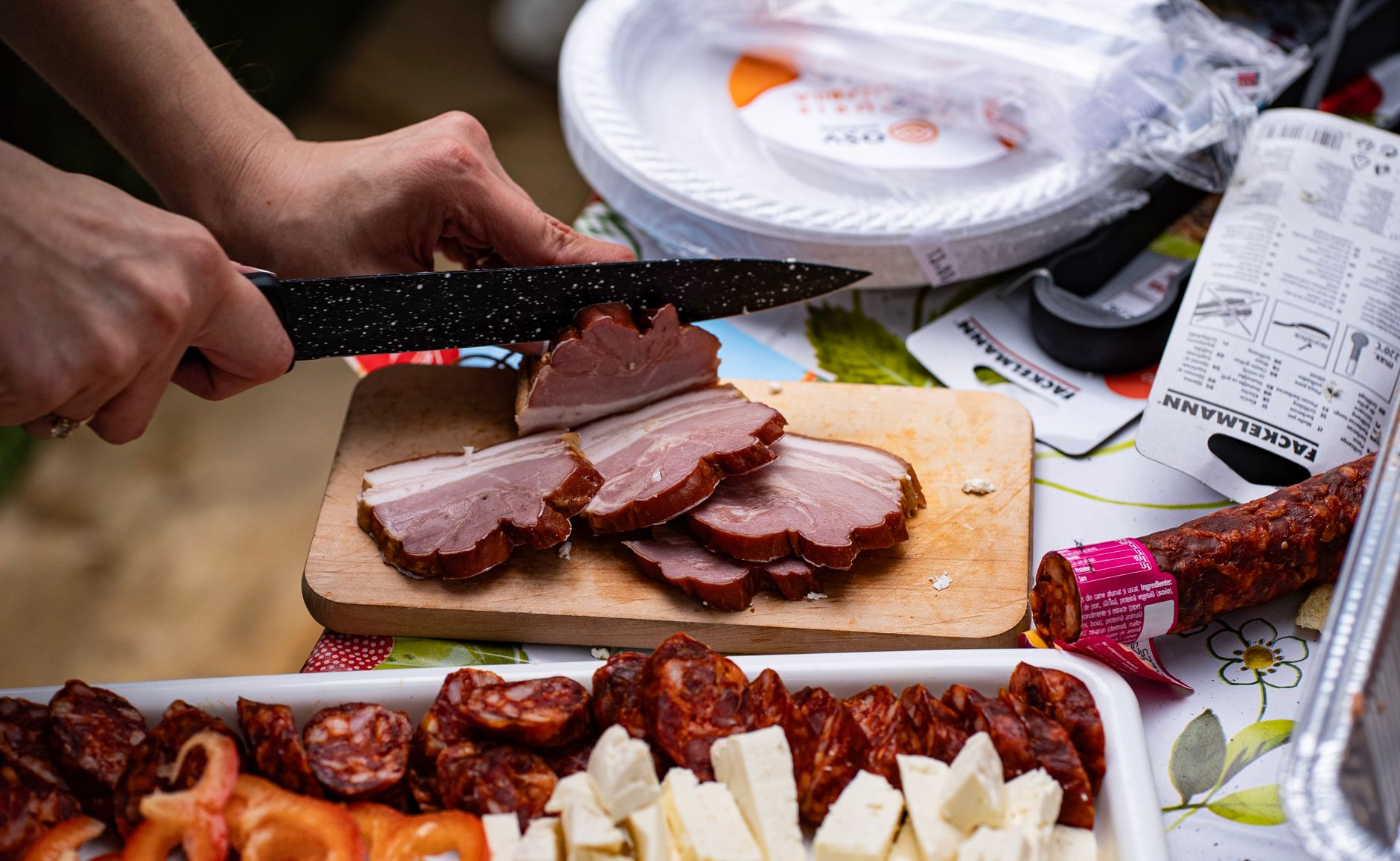
What started as a spontaneous social media trend has transformed into a permanent shift in American dining habits. The concept of assembling a casual meal from various pantry staples, cold cuts, cheeses, and dips continues to capture the market. Food manufacturers and grocery retailers are now restructuring their product lines to capture this growing consumer behavior.
Reporting from Today highlights how the social phenomenon has evolved from a short lived viral moment into a sustained commercial force. Market research indicates that consumers are increasingly ditching traditional multi-component dinners in favor of low effort snack assemblies. This shift is reshaping how consumer packaged goods companies develop, package, and market their everyday food products.
Major food brands have noticed a steady rise in sales for snack adjacent categories over the past year. Items such as cured meats, specialty crackers, pre-portioned cheeses, and ambient dips are seeing sustained growth. Retailers are responding by reorganizing store layouts to make impulse snack pairing much easier for busy shoppers.
The popularity of assembled snack meals reflects broader economic and demographic changes across the country. Younger consumers, particularly Gen Z and Millennials, are balancing tight budgets with demanding work schedules. Spending hours cooking a full meal from scratch after work feels increasingly unappealing to a generation raised on convenience and visual media.
Financially, creating a custom plate from diverse pantry items offers flexibility and cost control. Shoppers can mix premium items like artisan cheeses with lower cost staples like raw vegetables and canned legumes. This approach allows consumers to enjoy high flavor variety without incurring the high costs associated with dining out at full service restaurants.
Furthermore, the rise of single person households has made conventional recipe scaling difficult and wasteful. Cooking a traditional protein, starch, and vegetable meal often results in excess leftovers that go unused. Assembled snack plates eliminate this waste by allowing individuals to prepare exact portions tailored to their immediate appetite.
Seeing the clear shift in consumer behavior, food manufacturers are altering their long term product strategies. Companies are moving away from bulk packaging in favor of small, modular snack kits designed for quick assembly. The emphasis is on convenience, freshness, and high quality ingredients that feel indulgent yet effortless.
According to industry data cited by Today, search volume and retail tracking for grazing components remain near record highs. Grocery chains are now creating dedicated grazing sections in their refrigerated aisles. These curated displays bring together dips, charcuterie, olives, and artisan breads into a single shopping zone.
The trend has also opened up significant space for innovation in specialty condiments and spreads. Premium hot honeys, small batch hummuses, and specialty nut butters have seen increased basket penetration. Consumers view these flavor boosters as inexpensive luxuries that elevate simple pantry ingredients into a satisfying meal.
The shift toward assembled snacking presents both a challenge and an opportunity for the foodservice sector. Traditional casual dining chains have seen traffic fluctuate as consumers opt for quick, home based alternatives. In response, many operators are revamp their menus to feature more shareable, small plate offerings that mimic the grazing experience at home.
Fast casual concepts are particularly well positioned to capitalize on this dining style. Many operators are introducing custom buildable platters that mirror the variety found on a home charcuterie board. By offering customizable combinations of proteins, dips, and flatbreads, restaurants hope to win back consumers seeking low effort variety.
Even high end establishments are leaning into the trend by expanding their bar menus and happy hour offerings. Tinned fish, curated pickle selections, and house made spreads are becoming central profit drivers for urban venues. Diners increasingly prefer ordering several small, high flavor items over committing to a single heavy entree.
For the average consumer, the institutionalization of snack dining means more convenient and diverse choices at the supermarket. Grocery stores will continue to expand their selection of single serve ingredients and curated grazing kits. This makes it easier than ever to put together a low effort, satisfying meal without spending excessive time in the kitchen.
From a financial perspective, embracing the snack plate model can help manage personal food inflation. By relying on a base of pantry staples and adding small portions of higher end items, you can maintain a varied diet while controlling weekly grocery bills. The flexibility of grazing also helps reduce food waste, stretching your budget even further.
As food manufacturers continue to lean into this trend, expect to see even more specialized products hitting the shelves. From portable charcuterie trays to exotic spread pairings, the market is fully aligning with your desire for quick, customizable meals. The humble snack plate is no longer a lazy compromise, it is the new standard for modern dining.
Sources and methodology
Reported from the public datasets below.
More from the Foodie Pundit Newsroom
- Kroger Trims Prices on 1,000 Grocery Essentials in Bid for Summer Shoppers
- Unbroken Habit: Why Specialty Coffee Chains Are Defying Inflation
- Daily Coffee Habits Outpace Inflation as Premium Beverage Chains See Steady Demand
- Caffeine Beats Inflation as Starbucks and Coffee Chains See Unyielding Consumer Demand
- Caffeine Habit Outpaces Inflation as Premium Coffee Demand Holds Firm