Pickle Coffee Emerges as the Latest Viral Beverage Trend Challenging Specialty Coffee Norms
Viral social media trends are bringing savory pickle juice into cold brew and lattes, testing barista operations and consumer palates across the specialty bever
By Foodie Pundit Newsroom - Published - Section: Coffee Cafes
Key points
- Social media content creators are blending dill pickle brine and whole pickles into iced coffee and espresso drinks, driving high online engagement.
- Sensory science explains the trend, as sodium in pickle juice blocks coffee bitterness while acetic acid creates a sharp, cocktail-like balance.
- Low ingredient costs offer high margins for cafes, though risk of garlic and dill cross-contamination poses operational challenges for baristas.
- The phenomenon reflects growing consumer interest among younger demographics for savory, functional, and visually striking custom beverages.
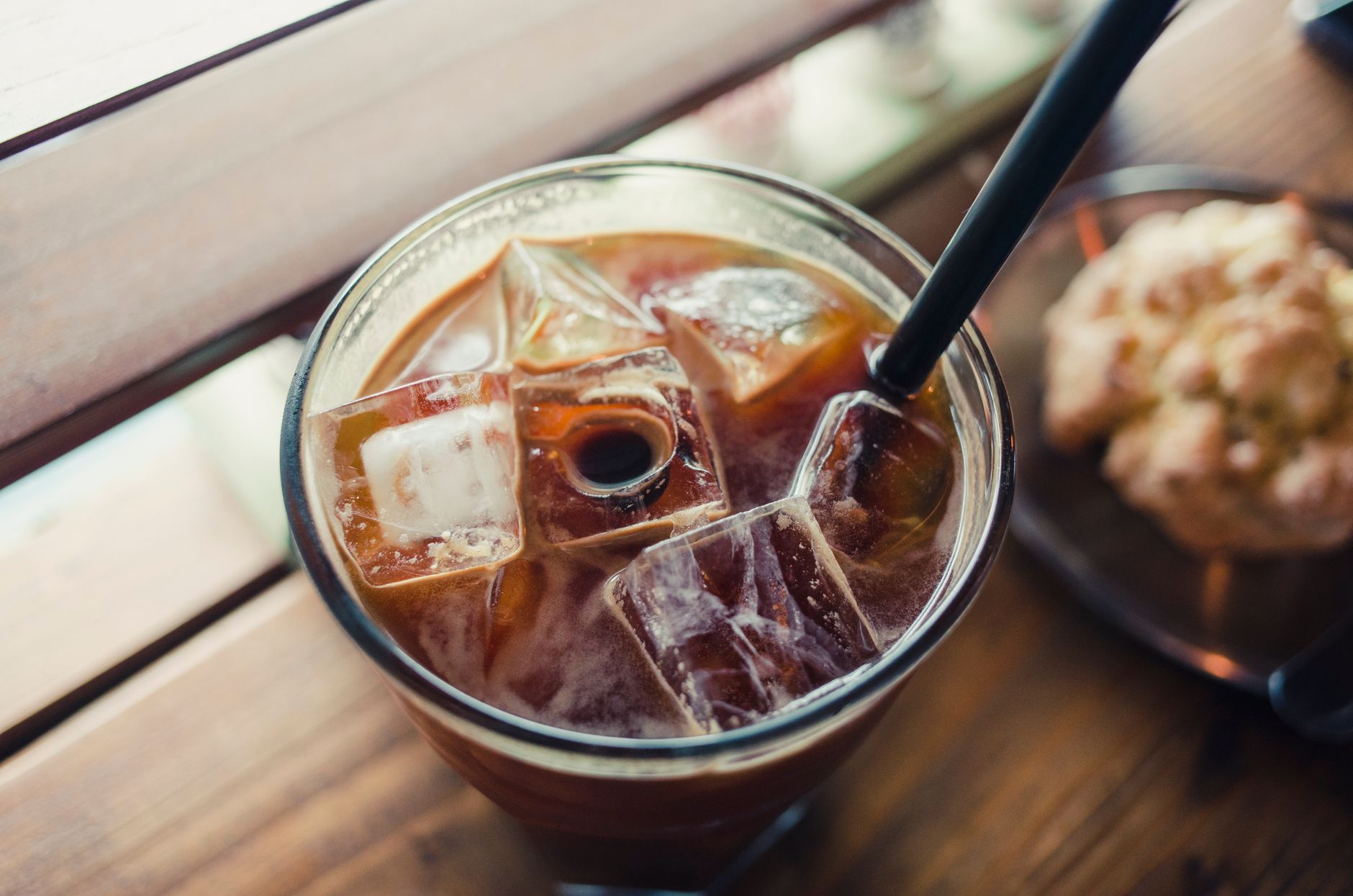
The digital landscape has long served as a breeding ground for unusual culinary combinations, but the latest beverage trend reaching mainstream social media feeds is pushing the boundaries of traditional coffee culture. Content creators across short form video platforms have begun combining cold brew coffee, espresso shots, and iced lattes with pickle juice, whole dill pickles, and spicy brine garnishes. What initially appeared to be a lighthearted social experiment has quickly transformed into a viral phenomenon, driving millions of impressions and prompting reactions from professional baristas and food industry analysts alike.
According to reporting from Tasting Table, the movement gained traction as users sought out novel flavor profiles that challenge standard coffee menus. While sweet syrups, nut milks, and seasonal spices have dominated specialty coffee shops for decades, savory and high-acid additions represent a sharp departure from commercial norms. Enthusiasts of the drink claim that the bright, vinegary punch of dill pickle brine cuts through the bitterness of heavy roast beans, creating an unexpectedly refreshing contrast that mimics the acid balance found in complex craft cocktails.
From a food chemistry perspective, the pairing of coffee and pickle brine relies on fundamental principles of taste balance. Coffee beans contain high levels of chlorogenic acids and tannins, which contribute to natural bitterness and astringency. When combined with the sodium chloride and acetic acid found in dill pickle brine, the overall perception of bitterness is muted. Sodium is a known bitter-blocker in sensory science, which allows subtle fruity or nutty undertones of the coffee bean to come forward while adding a sharp, salty finish.
Baristas and beverage developers note that while the combination sounds jarring on paper, it builds on established global drink traditions. In various South American and Scandinavian culinary circles, pairing salty, sharp, or fermented elements with hot and cold beverages has a long history. Furthermore, the modern craft cocktail movement frequently utilizes shrub syrups, botanical vinegars, and savory rinses to add depth to spirit bases. The pickle coffee trend essentially adapts these mixology techniques to non-alcoholic caffeine delivery, targeting adventurous younger consumers who view daily coffee runs as a form of sensory exploration.
OPERATIONAL AND MARKETING IMPACT ON COFFEE SHOPS
For independent coffee shop owners and regional chains, viral drink trends represent both an opportunity and a logistical puzzle. The low cost of pickle brine makes experimentation virtually risk-free from a food cost perspective. Unlike expensive alternative milks or specialty imported syrups, pickles are cheap, shelf-stable, and readily available through standard broadline distributors. A single jar of dill pickles can yield dozens of drink additions, providing operators with high-margin menu additions that generate organic social media buzz without significant capital investment.
However, operational challenges remain for high-volume coffee retailers considering adding savory brine to their standard offerings. Cross-contamination of equipment is a primary concern for fast-paced baristas. Standard milk steaming wands, syrup pumps, and cocktail shakers can easily retain the pungent aromatics of garlic, dill, and vinegar if not sanitized thoroughly between uses. A residual pickle flavor in a standard vanilla latte would quickly alienate traditional customers, forcing shop managers to designate separate tools or restrict pickle coffee prep to specific service stations.
The rise of savory coffee additions highlights shifting consumer preferences among Generation Z and millennial demographics. Market research in the specialty beverage space shows that younger drinkers are increasingly migrating away from hot, simple drip coffee in favor of complex, customized iced drinks. Flavor novelty, visual appeal, and shareability on social platforms often take precedence over classic roast profiles. The visually striking image of a whole dill pickle spear resting inside an iced oat milk espresso drink serves as ideal fodder for algorithm-driven content feeds.
Furthermore, the wellness industry has recently elevated pickle juice as a functional beverage option, touting its high electrolyte content for hydration and muscle cramp prevention. By blending pickle brine with cold brew, consumers perceive a dual benefit of rapid hydration alongside an energy boost. While health claims surrounding the combination are largely anecdotal, the perception of functional utility helps sustain interest beyond the initial viral novelty factor, keeping the drink in daily rotation for a niche group of fitness enthusiasts and adventurous eaters.
For the average consumer, the surge in pickle coffee content signals a broader shift in how mainstream cafes approach beverage menus. While major national coffee chains are unlikely to place dill lattes on permanent overhead menu boards, you can expect to see independent cafes and trendy regional spots offering temporary seasonal novelties featuring savory, acidic, and salty elements. Consumers looking to try the combination at home should start small by adding a quarter ounce of strained dill brine to a dark roast iced cold brew before attempting full espresso lattes.
For restaurant operators and coffee shop owners, the trend demonstrates the powerful influence of social media in driving foot traffic through novelty menu items. Implementing limited-time promotional drinks that cost pennies to produce can generate significant engagement without requiring long-term inventory commitments. As long as beverage stations maintain strict sanitation protocols to prevent odor transfer, embracing viral flavor experiments remains an effective, low-risk strategy for capturing market attention in a crowded dining sector.
Sources and methodology
Reported from the public datasets below.
More from the Foodie Pundit Newsroom
- Savory Brews Take Over Social Feeds As Pickle Coffee Trend Challenges Beverage Norms
- Lavender Seasonal Menus Drive High Traffic and Social Media Virality Across Quick Service Coffee Sector
- Lavender Flavor Craze Hits Starbucks as Social Media Drives Spring Menu Sales
- New York Restaurants Face Massive Reservation Boom Following Michelin Guide Releases
- Kuala Lumpur Restaurants Shift Strategy With High-End May Menu Drops