Pickle Coffee Emerges as the Latest Viral Beverage Trend Testing Cafe Operators
Social media creators are mixing dill brine with cold brew, signaling a broader shift toward savory flavor profiles in the beverage industry.
By Foodie Pundit Newsroom - Published - Updated - Section: Coffee Cafes
Key points
- Viral social media videos have popularized adding dill pickle brine and garnishes to iced coffee and espresso drinks.
- Food chemistry explains the pairing, as sodium in pickle juice suppresses coffee bitterness while acidity adds brightness.
- Low ingredient costs make savory beverage experiments attractive for operators seeking temporary promotional lifts.
- The phenomenon signals growing consumer demand for complex, low-sugar, and savory flavor profiles in specialty drinks.
A new social media trend is pushing the boundaries of beverage menu innovation, as viral videos showcase consumers adding pickle juice and dill pickle spears to iced coffee. This unconventional combination has dominated short-form video feeds, drawing millions of views and triggering fierce debate among coffee enthusiasts and casual drinkers alike. While the pairing may seem like an April Fools joke or a publicity stunt, food beverage analysts note that it reflects deeper shifts in consumer taste preferences and modern menu development.
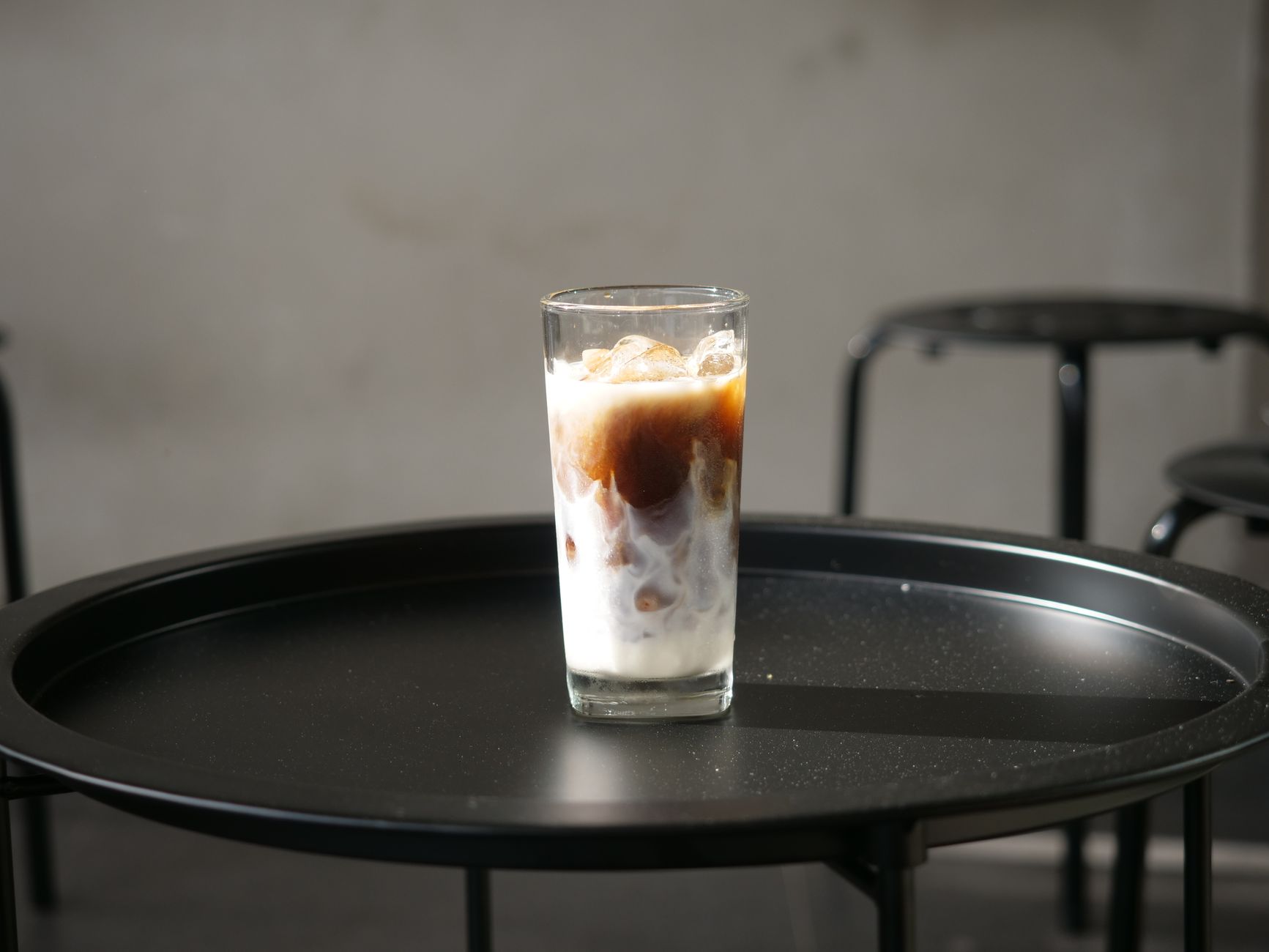
The trend gained widespread traction through social media creators who experimented with adding splashes of dill pickle brine directly into iced espresso drinks, sometimes finishing the glass with a whole pickle garnish. Initial reactions ranged from intense disgust to surprising approval, with several creators noting that the saltiness and acidity of the pickle juice offset the natural bitterness of dark roast coffee. As reported by Tasting Table, the phenomenon highlights how viral internet culture rapidly elevates unusual flavor profiles into mainstream culinary conversation.
To understand why a pickle coffee combination might appeal to certain palates, food scientists point to the fundamental principles of taste pairing and flavor balance. Coffee is inherently bitter and acidic, while pickle brine delivers high levels of sodium, vinegar, and aromatic dill oil. Salt is a known modifier of human taste perception that actively suppresses bitterness while enhancing underlying sweetness. When mixed in precise ratios, the sodium in the brine cuts through the harsh notes of espresso, creating a smoother overall profile that mimics the functional role of sea salt in modern caramel or mocha beverages.
Furthermore, the high acid content of pickle juice creates a bright, tangy contrast that resembles the natural acidity found in light roast specialty coffees. Many high-end specialty beans feature natural citrus, berry, or wine-like flavor notes that coffee roasters actively cultivate. Adding brine introduces a direct acetic acid punch, which can create a surprisingly refreshing flavor profile when combined with cold water, milk, or dairy alternatives over ice.
Beyond the molecular chemistry of taste, the rise of pickle coffee illustrates the powerful influence of creator-driven food trends on the hospitality landscape. Today, viral visibility often drives immediate trial, as younger consumers view trying unusual food mashups as a form of social currency. Independent cafes and regional chains are increasingly forced to monitor these rapid digital movements, deciding whether to embrace temporary novelties or maintain traditional menu offerings.
While few national coffee chains have officially added pickle brine to their permanent electronic menus, several independent beverage operators have launched limited-time promotional drinks to leverage the hype. Some progressive cafes are experimenting with house-made pickle syrups or botanical shrubs that mimic the tangy, herbaceous qualities of dill without the overwhelming saltiness of industrial brine. These tailored variations aim to capture the viral interest while providing a more refined, palatable drink for mainstream customers.
From a profitability standpoint, viral trends built around low-cost pantry staples offer distinct advantages for restaurant operators. Pickle juice is inexpensive, widely available, and requires zero specialized equipment to store or dispense behind a commercial beverage bar. If a viral drink garners local media attention or social media engagement, the return on investment can be substantial, even if the beverage remains on the menu for only a few weeks.
However, rapid trend adoption carries operational risks for busy coffee shops during peak morning hours. Introducing non-traditional ingredients into standard assembly lines can disrupt workflow, complicate allergen cross-contamination protocols, and lead to inconsistent drink preparation if staff are not properly trained. Operators must carefully balance the marketing potential of viral menu items against the necessity of maintaining speed of service and brand consistency across all shifts.
The pickle coffee movement also highlights a broader shift toward savory and functional flavor profiles in the non-alcoholic beverage market. Sweeter, syrup-heavy iced drinks are facing growing competition from tangy, botanical, and salt-forward beverages like fermented kombucha, drinking vinegars, and savory sodas. As consumer interest in health-focused, low-sugar options continues to rise, salty and acidic flavor boosters offer a way to deliver complex taste experiences without relying on excessive corn syrup or refined sugars.
For everyday consumers, the emergence of pickle coffee serves as an entertaining reminder of how subjective taste preferences can be. If you are curious about trying the combination at home, coffee experts recommend starting with a cold brew or iced americano rather than a hot milk latte, as cold temperatures help blend the sharp brine with the liquid. Adding a tiny splash of brine to a dark roast can soften harsh notes, though pouring in a full shot of pickle juice will quickly overpower the beans.
For restaurant owners and coffee shop operators, this trend underscores the importance of agility in menu marketing and product development. While you do not need to rewrite your core menu for every viral video that trends online, having the flexibility to run low-risk, creative specials can drive foot traffic and demonstrate brand relevance to younger demographics. Watching how these savory coffee concepts evolve will provide valuable insights into future beverage design and broader consumer flavor trends.
Sources and methodology
Reported from the public datasets below.