Dill Pickles in Cold Brew: Cafe Owners Face the Economic Reality of Viral Beverage Trends
Social media creators are pouring dill brine into cold brew, forcing cafe operators to weigh novelty against operational friction.
By Foodie Pundit Newsroom - Published - Section: Coffee Cafes
Key points
- Viral social media trends are accelerating the pace of beverage menu innovation for small cafes and major chains alike.
- The combination of pickle brine and cold brew leverages basic taste chemistry by using sodium to suppress bitterness and enhance acidity.
- Savory and low-sugar flavor profiles continue to gain market share across the broader non-alcoholic beverage industry.
- Cafe owners face operational challenges around inventory management and cross-contamination when adopting rapid internet crazes.
When social media creators began pouring dill pickle juice directly into cold brew coffee earlier this year, casual observers dismissed it as a desperate bid for digital attention. Industry analysts, however, recognized a familiar pattern unfolding across short-form video platforms. The combination of sour brine, fresh dill notes, and dark roasted coffee beans quickly shifted from a novelty dare into a broader commercial discussion about beverage innovation, consumer curiosity, and the raw economics of menu development.
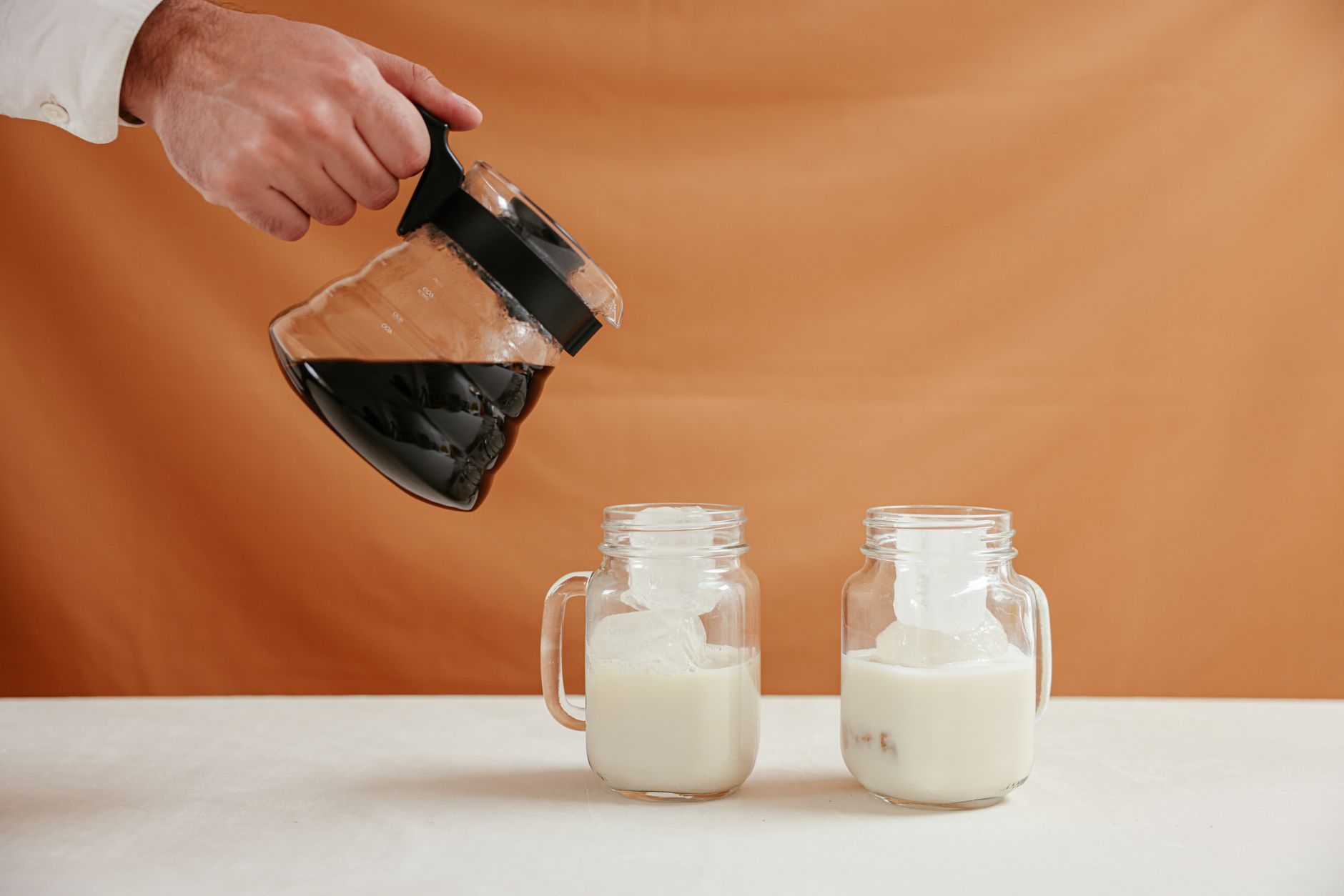
As reported by Tasting Table, the trend gained massive traction as user-generated videos racked up millions of views across TikTok and Instagram. Coffee drinkers, intrigued by the unexpected pairing of acid and caffeine, started replicating the concoction at home and ordering customized variations at independent cafes. The underlying mechanics of the drink rely on high acidity to cut through the bitter, roasted profile of cold brew, creating a contrast that adventurous drinkers find surprisingly refreshing.
The rapid rise of pickle coffee illustrates how modern beverage trends propagate through the digital ecosystem. Unlike traditional culinary R and D cycles that require months of consumer testing and regional rollouts, viral social media recipes bypass standard commercial filters entirely. A single creator posts a striking visual combination, algorithms amplify the content based on high engagement rates, and thousands of viewers attempt to replicate the experience within hours.
This acceleration places immense pressure on specialty coffee shops and mainstream restaurant operators. Specialty beverage menus have historically relied on predictable seasonal flavors like vanilla, caramel, or fall spices. The sudden influx of savory and high-acid ingredient requests forces cafe owners to decide whether to stock non-traditional garnishes or risk losing foot traffic to competitors who adapt quicker to internet culture.
From a culinary perspective, pairing fermented brine with roasted coffee beans is not entirely without precedent. Professional baristas and flavor chemists have long used small amounts of salt to reduce the perception of bitterness in dark roasts. Sodium ions suppress bitter taste receptors on the human tongue, allowing underlying sweet and fruity notes in the coffee bean to come forward.
Pickle juice carries this chemical reaction a step further by introducing acetic acid and herbal aromatics. The vinegary punch mimics the bright acidity found in high-altitude light roasts, such as those grown in Kenya or Ethiopia. While the aggressive dill profile remains controversial among purists, the basic flavor interaction relies on established principles of taste balancing that modern mixologists use daily in craft cocktail programs.
For small business owners in the food and beverage sector, social media beverage crazes present a complex financial calculation. Offering a trending drink can drive short-term foot traffic, boost average check sizes, and attract younger demographics who prioritize novelty. On the flip side, managing inventory for volatile trends creates operational friction and potential waste if consumer interest dissipates overnight.
Sourcing extra jars of dill pickles requires minimal capital expenditure compared to specialized syrup lines or dairy alternatives. However, the operational challenge lies in speed of service and staff training. Cross-contamination between savory brine and sweet drink stations poses a genuine risk in fast-paced cafe environments. Store managers must establish strict handling procedures to ensure pickle aromatics do not taint standard milk frothing pitchers or espresso machinery.
The surge in pickle coffee interest highlights a larger shift in consumer taste preferences toward complex, savory, and functional beverages. Over the past decade, consumer appetite for sugary, dessert-like coffee drinks has gradually bifurcated. While sweet frozen blends remain major revenue drivers, a growing segment of suburban and urban consumers seeks lower-sugar options that provide unique sensory feedback.
This evolution is already visible across the broader food service landscape. Bone broth cafes, savory teas, and salty electrolyte drinks have seen steady sales growth as consumers move away from high-fructose syrups. Pickle juice, rich in sodium and vinegar, appeals directly to consumers looking for intense flavor without adding substantial calories or processed sugars to their morning caffeine routine.
Major corporate coffee chains maintain dedicated trend-tracking teams to monitor platforms like TikTok for emerging flavor profiles. While national brands rarely adopt extreme viral recipes immediately, they frequently adapt the core concepts behind them into mainstream menu items. The success of pickle coffee could eventually manifest as commercial launches of salted botanical cold brews or citrus-brine iced teas.
By tracking user sentiment and engagement metrics in real time, corporate culinary teams cut down on expensive early-stage focus groups. A viral drink that generates hundreds of thousands of organic user videos serves as a massive market research study. Operators can observe exactly which demographics respond to a flavor profile before committing millions of dollars to global supply chain contracts.
For everyday drinkers, the rise of internet-driven drink trends means more experimental flavor combinations at local coffee shops. Cafe owners are increasingly willing to stock unusual ingredients if it keeps their menus relevant to younger customers. The broader business takeaway is that beverage menus are becoming more customizable and dynamic than ever before, with operators highlighting acidity, salt, and herbal notes as they move beyond traditional sweet syrups. Whether pickle coffee becomes a permanent staple or fades by next season, the underlying demand for bold flavor contrasts is reshuffling the economics of the daily coffee run.
Sources and methodology
Reported from the public datasets below.
More from the Foodie Pundit Newsroom
- Why Dining Out Costs Stay High Even as Inflation Cools
- Asda Slashes Prices On Over 200 Everyday Items To Fight Inflation
- Pakistani Kitchens Face Severe Economic Pressure as Global Food Inflation Spikes
- Chipotle Rolling Out Automated Kitchen Equipment Signals Fast Casual Industry Shift
- Chipotle Deploys Robotic Assembly Lines as Fast Casual Goes High Tech