Foodie Pundit

Plant Based Food Innovation Accelerates with Next Generation Seafood and Egg Swaps

Advanced food science is driving a new wave of realistic seafood and egg alternatives into mainstream dining.

By Foodie Pundit Newsroom - Published - Updated - Section: Restaurants
Plant Based Food Innovation Accelerates with Next Generation Seafood and Egg Swaps

Key points

  • Plant based food innovation is shifting focus from basic burgers toward complex seafood and egg alternatives.
  • Advanced processing and fermentation technologies allow new substitutes to closely match animal proteins in texture and taste.
  • Flexitarian consumers are driving mainstream demand for high quality, elevated plant based menu items.
  • Food service operators use these stable alternatives to hedge against volatile supply chains and rising ingredient costs.

The landscape of plant based eating is undergoing a seismic shift across global culinary capitals. What began as a modest movement centered around basic tofu stir fries and simple garden salads has matured into a sophisticated, highly technical segment of the global food industry. Consumers are no longer satisfied with simple vegetable substitutes that barely mimic the textures or flavors of traditional animal proteins. Instead, the market demand has pivoted sharply toward high fidelity alternatives that match meat, dairy, and seafood in both nutritional profile and sensory experience.

Recent industry observations published by the Evening Standard highlight how food technology companies are meeting this demand with unprecedented precision. The focus of alternative protein innovation has broadened far beyond the standard beef patty replacements that dominated supermarket shelves over the past decade. Today, the most dynamic growth is occurring in complex product categories such as whole cut seafood alternatives and functional egg substitutes designed for commercial baking and breakfast services.

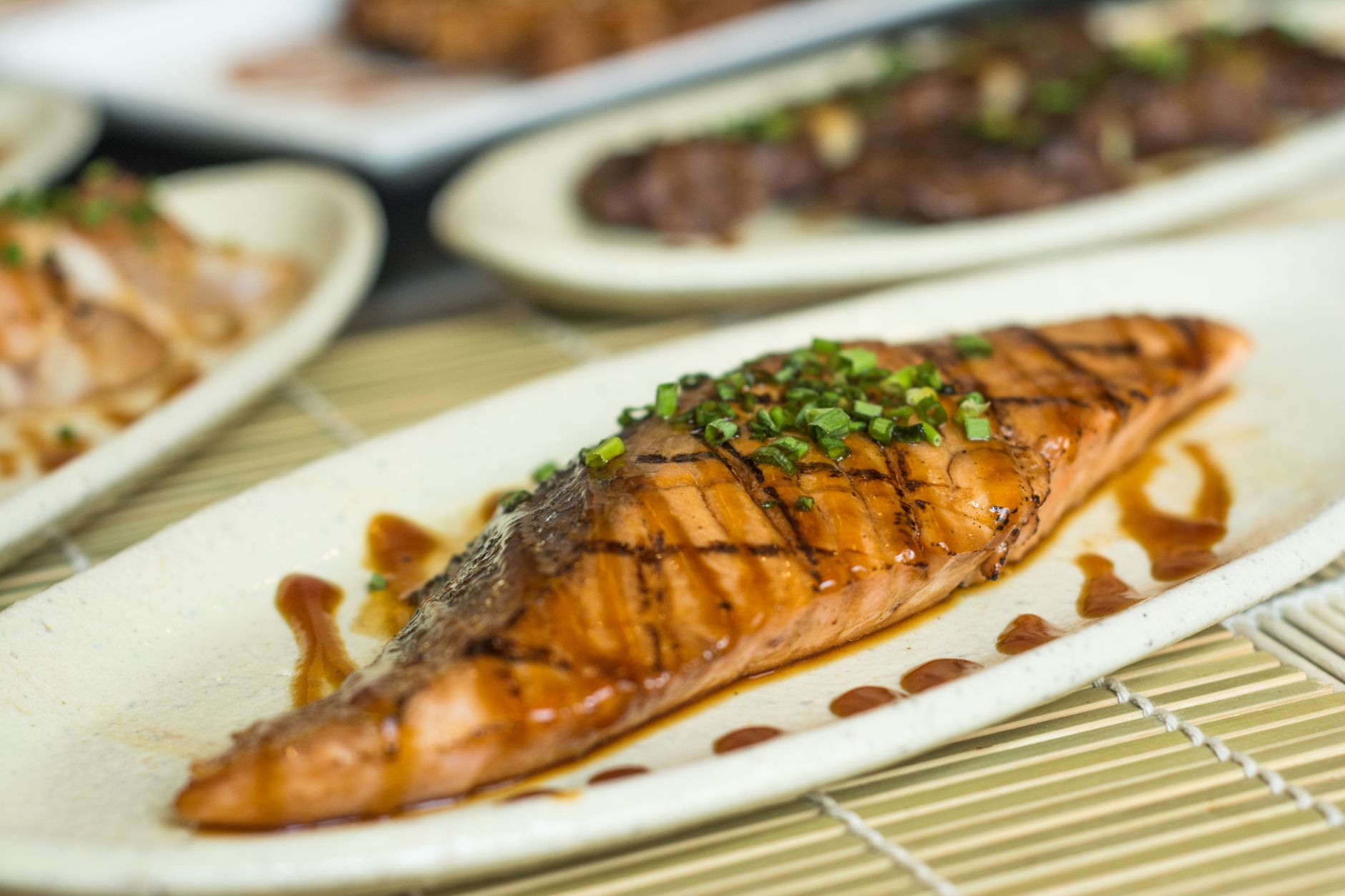
Creating convincing plant based seafood has historically presented a major technical hurdle for food scientists and culinary innovators. The unique delicate texture, flake structure, and subtle marine flavor profiles of fish are notoriously difficult to replicate using standard plant proteins like soy or wheat gluten. However, recent breakthroughs in food processing, microalgae utilization, and high moisture extrusion technology have enabled manufacturers to create alternative salmon, tuna, and shrimp that closely resemble their marine counterparts.

These advancements come at a critical time for the global seafood market, which faces mounting pressure from overfishing, rising ocean temperatures, and supply chain volatility. Restaurants and grocery retailers are eagerly adopting these new ocean alternatives to appeal to environmentally conscious diners who wish to reduce their consumption of wild caught fish without sacrificing traditional seafood dishes. According to reporting from the Evening Standard, consumer interest in alternative seafood is expected to accelerate rapidly throughout the current calendar year.

Equally transformative is the rapid evolution of plant based egg alternatives, which have moved far beyond dry powders and basic liquid mixes. Modern egg swaps are formulated using novel proteins derived from mung beans, yellow peas, and cultivated microalgae. These formulations allow the product to scramble, bake, and emulsify just like conventional chicken eggs, opening up vast new possibilities for commercial bakeries and brunch establishments.

The culinary performance of these new egg substitutes allows chefs to produce fluffy omelets, rich quiches, and delicate pastries without altering established kitchen workflows. For food service operators facing volatile egg prices caused by recurrent outbreaks of avian influenza, these stable plant based alternatives offer both cost predictability and culinary consistency. Diners are increasingly finding that these breakfast options deliver a satisfying meal that rivals traditional dishes in both taste and presentation.

Behind this new wave of plant based products lies an impressive array of biological and chemical innovations. Fermentation technology, both precision fermentation and biomass fermentation, is playing an essential role in synthesizing proteins that are molecularly identical to animal counterparts. By utilizing specialized microflora, food producers can generate key flavor compounds and functional proteins without needing intensive land or water resources.

Furthermore, culinary research labs are focusing heavily on clean label formulations that address consumer demands for healthier ingredient lists. Early generations of plant based meats often faced criticism for containing high levels of sodium, saturated fats, and synthetic additives. The current generation of products emphasizes simple, nutrient dense ingredients like legumes, root vegetables, and natural seed oils while maintaining the desired texture and mouthfeel.

The primary engine driving this market growth is not strict vegans or vegetarians, but rather the expanding demographic of flexitarian consumers. These individuals actively seek to reduce their meat and dairy intake for health, environmental, or ethical reasons, but they remain unwilling to compromise on taste or convenience. Because flexitarians regularly eat animal proteins, their standards for alternative products are exceptionally high, pushing brands to constantly refine their offerings.

Hospitality groups and mainstream restaurant chains are responding by integrating these premium plant based items directly into their core menus rather than relegating them to small, isolated vegetarian sections. By offering elevated plant based dishes that hold their own alongside classic steak or seafood options, operators can capture larger party sizes and boost overall check averages.

For the average consumer, these culinary advancements mean that plant based eating is becoming far more accessible, varied, and enjoyable. You no longer have to settle for dry veggie burgers or compromise on flavor when dining out with friends or preparing meals at home. The expansion of realistic seafood and egg alternatives allows you to explore creative cooking styles while effortlessly incorporating more sustainable choices into your weekly diet.

As these alternative protein technologies continue to scale up, production costs are expected to fall, bringing premium plant based options closer to price parity with traditional animal products. Whether you are aiming to lower your carbon footprint, manage dietary cholesterol, or simply try innovative new dishes at your local brunch spot, the modern plant based market offers an exciting array of high quality choices that fit seamlessly into everyday life.

Sources and methodology

Reported from the public datasets below.

All sources Foodie Pundit reports from

More from the Foodie Pundit Newsroom

Permalink