Foodie Pundit

Plant Based Menu Trends Reshape Food Service Economics As Bakery And Restaurant Innovation Accelerates

Culinary operators and commercial bakeries are expanding plant-based offerings to capture high-margin flexitarian spending and diversify revenue streams.

By Foodie Pundit Newsroom - Published - Updated - Section: Desserts Snacks
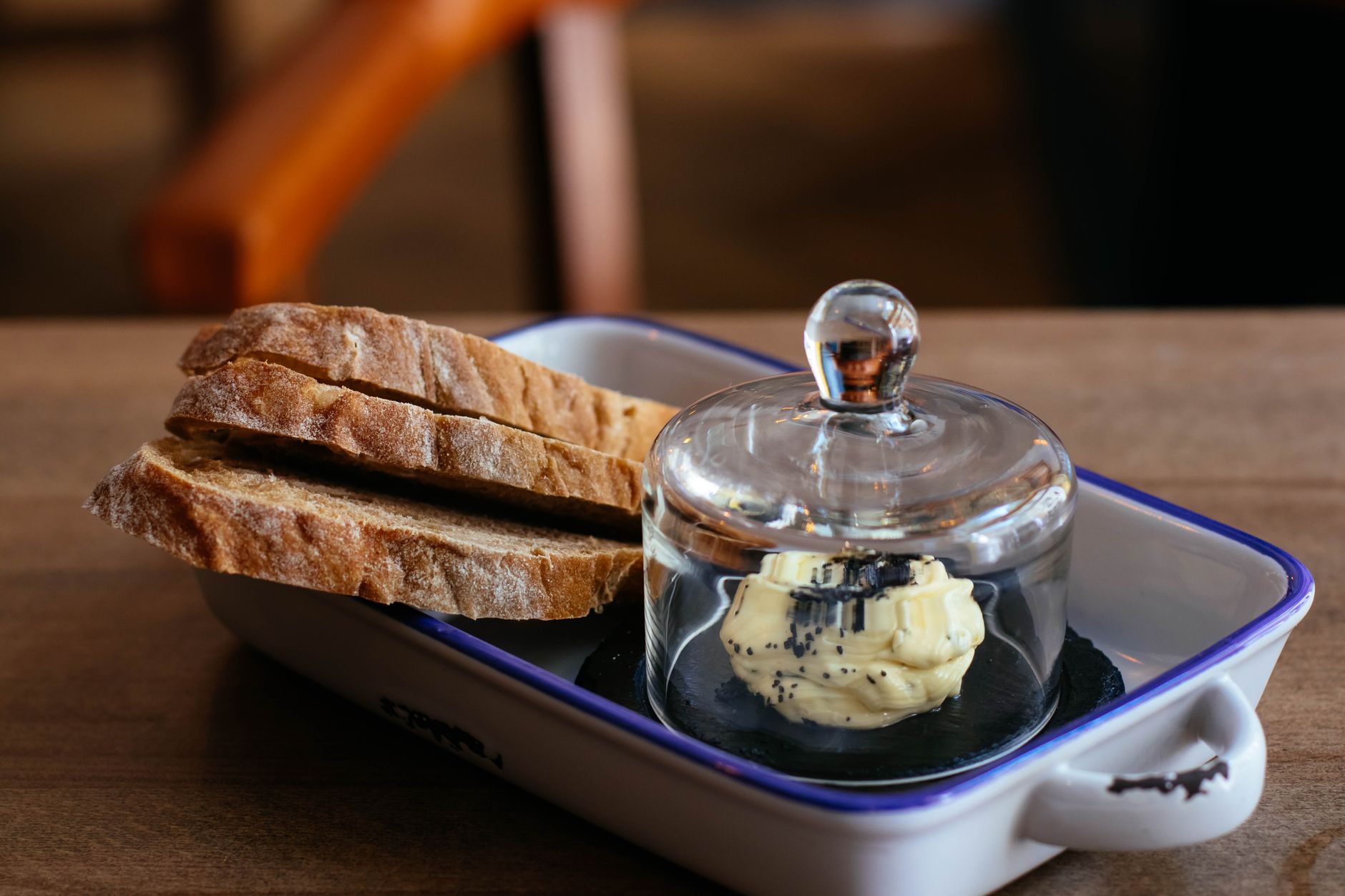
Plant Based Menu Trends Reshape Food Service Economics As Bakery And Restaurant Innovation Accelerates

Key points

  • Restaurants are moving from basic meat analogs to whole-vegetable preparations to increase margins and clean-label appeal.
  • Ingredient advancements in functional plant fats allow commercial bakeries to produce high-end pastries with broader consumer reach.
  • Flexitarian diners drive the majority of plant-based revenue growth, making menu flexibility essential for group bookings.
  • Cross-utilization of alternative fats and proteins helps food service operators streamline kitchen inventory and optimize food costs.

PLANT-BASED EXPANSION RETHINKS THE COMMERCIAL KITCHEN

Commercial bakeries and restaurant operators across the nation are fundamentally altering their core recipe formulations as plant-based dining transitions from a niche lifestyle choice to a mainstream commercial necessity. Industry reporting from Bake Magazine highlights how culinary research and development teams are moving past simple meat substitutes to embrace sophisticated, produce-forward menu engineering. The financial implications of this shift extend through every level of the food service supply chain, influencing everything from wholesale ingredient procurement to front-of-house marketing strategies.

Historically, dining establishments treated vegan items as an afterthought, often offering only a single modified salad or a basic side dish to satisfy non-meat eaters. Today, operators are designing entire menu concepts around plant-centric dishes that appeal to flexitarian consumers who actively seek out diverse culinary experiences. This shift in consumer behavior allows restaurants to capture higher-margin sales from groups of diners who might otherwise select a competing establishment based on dietary inclusivity.

INGREDIENT INNOVATION DRIVES NEW MARGIN POTENTIAL

The rapid evolution of plant-based fat systems and specialized emulsifiers has unlocked unprecedented opportunities for commercial bakers. Traditional pastry production relies heavily on dairy butter and eggs for structure, moisture, and flavor transport, presenting technical challenges when reformulating classic items. Modern ingredient suppliers have responded by introducing tailored fat blends derived from coconut, cocoa butter, and sunflower oil that mimic the melting point and mouthfeel of dairy fats without compromising product shelf stability.

By utilizing these advanced ingredient matrices, commercial bakeries can create elevated viennoiserie, cakes, and artisanal breads that satisfy both strict vegans and traditional pastry enthusiasts. The economic advantage lies in cross-utilization, as stocking a single high-performing plant-based butter alternative allows bakeries to streamline inventory while catering to multiple demographic segments simultaneously. Furthermore, as scaling production reduces unit costs for specialized plant-based fats, wholesale margins for premium vegan baked goods continue to improve.

While early iterations of the plant-based boom focused heavily on highly processed meat substitutes, current culinary trends emphasize whole vegetables, legumes, and grains elevated through technical preparation. Chefs are utilizing techniques such as slow-roasting, smoking, and koji fermentation to draw deep savory flavors from simple root vegetables and mushrooms. Industry analysts at Bake Magazine note that this approach yields significantly higher gross profit margins compared to purchasing proprietary packaged alternatives from large supply distributors.

Focusing on house-crafted, vegetable-forward dishes enables culinary teams to maintain tighter control over food costs while offering unique signature items that cannot be easily replicated by competitors. This focus on natural flavor profiles also aligns with growing consumer preference for clean-label dining options that avoid excessive sodium and additive ingredients. Consequently, menus featuring creative preparations of whole produce are seeing strong sales performance across both casual and fine-dining operations.

CAPITAL INVESTMENT AND SUPPLY CHAIN SHIFTS

The sustained growth of non-dairy and plant-centric menu items has triggered notable shifts in capital allocation for restaurant groups and food manufacturing facilities. Facilities are increasingly investing in dedicated production lines or strict sanitation protocols to prevent cross-contamination with common dairy and egg allergens. These capital expenditures are often offset by long-term savings in cold storage logistics, as many plant-based raw materials offer extended shelf lives compared to fresh dairy products.

Distributors are also expanding their catalog offerings to accommodate regional restaurant demands for specialized plant proteins, functional starches, and alternative dairy bases. Major broadline distributors now feature dedicated plant-based category managers who assist independent restaurant operators in optimizing menu layouts and calculating plate costs for non-dairy options. This institutional support structure reduces the operational friction that previously deterred smaller operators from adopting extensive vegan offerings.

DEMOGRAPHIC DYNAMICS AND CONSUMER SPENDING

Underlying this structural transformation is a permanent shift in demographic dining habits, particularly among younger cohorts who prioritize sustainability and health alongside flavor. Flexitarian diners, defined as consumers who regularly eat plant-based meals without strictly adhering to a vegan lifestyle, now represent the largest driver of growth in the food service sector. Their purchasing decisions are heavily influenced by menu diversity, making flexible dining options a critical factor in restaurant selection for social gatherings.

Data indicates that tables with at least one diner following a specialized diet tend to yield higher average check sizes, as companions are willing to dine at higher-priced venues that accommodate all guests. Restaurant operators who successfully integrate sophisticated plant-based options report increased guest loyalty and higher repeat visitation rates. As a result, culinary teams are incentivized to continuously innovate their plant-based menus rather than treating them as static, token offerings.

For everyday consumers, this industry-wide transformation translates directly to better quality, greater variety, and fairer pricing when dining out or purchasing packaged baked goods. You no longer have to compromise on texture or flavor when choosing plant-based options at your local bakery or favorite neighborhood bistro.

For operators and culinary professionals, the widespread acceptance of plant-centric dining offers a proven pathway to optimize food costs and capture growing demographic market share. Investing in creative recipe development using whole ingredients and functional plant fats provides a resilient operational framework capable of navigating shifting consumer preferences and fluctuating commodity markets.

Sources and methodology

Reported from the public datasets below.

All sources Foodie Pundit reports from

More from the Foodie Pundit Newsroom

Permalink