Popular Bay Area Pho Destination Expands Peninsula Footprint to Serve Suburban Diners
A celebrated Vietnamese noodle house expands south from San Francisco to tap into shifting suburban dining trends and strong Peninsula demographics.
By Foodie Pundit Newsroom - Published - Section: Restaurants
Key points
- Urban restaurant operators are increasingly turning to suburban Peninsula markets for growth due to shifting demographic patterns and hybrid work trends.
- Pho and soup-based concepts require specialized kitchen infrastructure and broth consistency, making strategic site selection critical for expansion.
- Suburban downtowns offer strong weekday lunch and evening takeout demand from hybrid workers based outside central city cores.
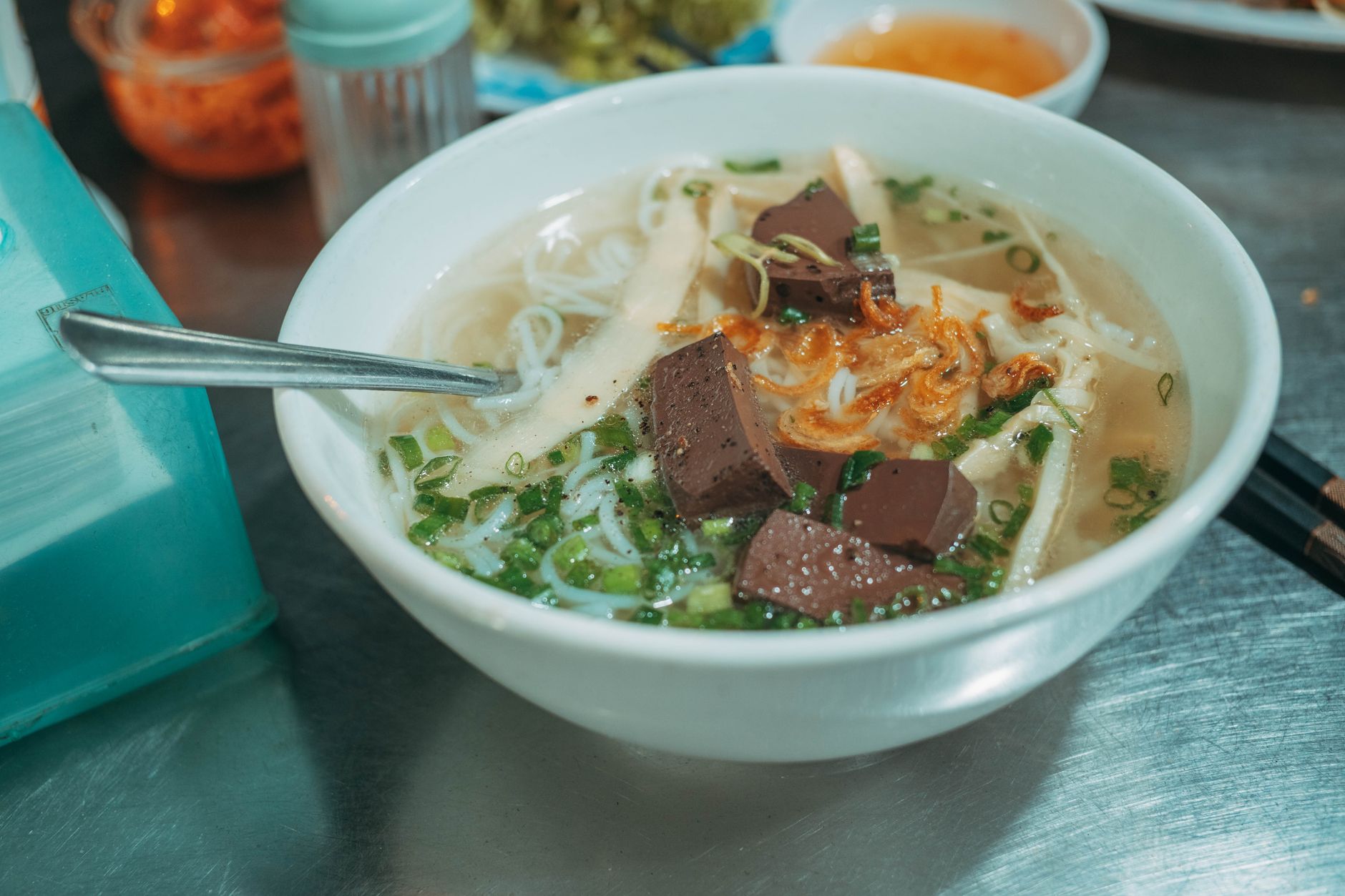
The San Francisco Bay Area restaurant landscape is experiencing a subtle shift as beloved urban eateries seek out growth opportunities in surrounding suburban markets. A prominent Vietnamese restaurant known for its traditional noodle soups and vibrant street food menu has announced plans to expand its footprint onto the Peninsula. The move highlights broader economic trends shaping the regional food service industry, where rising operational costs in central city hubs are driving operators to look toward suburban downtowns for sustainable growth.
According to reporting by SFGate, the upcoming location aims to capture strong consumer demand from tech workers and families residing outside San Francisco proper. For years, diners living on the Peninsula have traveled into the core city or ventured further south to San Jose to access highly regarded pho spots. By placing a flagship outpost along the Peninsula, the restaurant group is shortening the distance between its core brand and a captive, high-income demographic that dines out frequently.
Operating a restaurant in a major metropolitan center has become increasingly complex over the past several years. Higher commercial rents, minimum wage increases, and prolonged changes in foot traffic patterns have compressed profit margins for independent operators. Suburban Peninsula downtowns offer a compelling counterweight to these urban challenges. Municipalities in San Mateo County often present higher median household incomes and stable, localized foot traffic that is less dependent on corporate commuter cycles.
Industry analysts note that suburban commercial real estate often allows for larger dining rooms and more flexible kitchen layouts compared to historic urban storefronts. This additional space is vital for high-volume operations like pho restaurants, which require large stockpots, specialized broth-simmering equipment, and substantial cold storage. Expanding into a roomier suburban footprint allows the culinary team to maintain quality control while increasing total seat counts and catering capacity.
BROTH INFRASTRUCTURE AND CULINARY LOGISTICS
Scaling a specialized concept requires meticulous planning around supply chains and kitchen logistics. Pho is a labor-intensive dish that relies on long simmer times, often taking up to twenty hours to extract deep flavors from beef bones, marrow, and warm spices. Maintaining absolute consistency across multiple locations is one of the most difficult hurdles for growing Vietnamese concepts. Operators typically choose between central production facilities or building out fully equipped prep kitchens at each individual branch.
For this expansion, maintaining the integrity of the foundational broth remains the central operational priority. Small variations in water filtration, burner output, or pot dimensions can alter the final flavor profile that made the original location famous. By investing in standardized equipment and rigorous staff training, the team aims to ensure that Peninsula diners experience the exact same aromatic complexity and rich texture that earned the brand its original local acclaim.
The shifts in remote and hybrid work policies have permanently altered where Bay Area residents consume their weekday meals. While downtown business districts continue to navigate variable daily foot traffic, suburban neighborhoods have seen a sustained surge in lunch and early evening dining activity. Workers operating from home offices are seeking high-quality, convenient dining options closer to their primary residences, benefiting suburban commercial corridors immensely.
Pho serves as an ideal menu item for this evolving consumer behavior. It provides a comforting, hot meal for dine-in patrons while also remaining one of the most durable and popular items for off-premises takeout order volume. The ability to generate strong revenue through both sit-down service and direct digital ordering makes a noodle house concept particularly resilient in suburban strip centers and downtown shopping districts.
While the Peninsula offers attractive demographics, it is far from an untested dining market. Cities along the Caltrain corridor already host a diverse array of Asian eateries, ranging from long-standing family-run spots to modern fast-casual chains. Entering this space requires a clear brand identity and a distinct quality advantage to win over loyal local diners who already have established weekly routines.
The arrival of a heavily hyped city favorite inevitably alters local market dynamics. Existing small business owners must adapt to increased competition for both customer dollars and kitchen labor. However, local business associations often view the arrival of marquee regional dining brands positively. A highly anticipated opening can serve as an anchor tenant for a neighborhood block, increasing foot traffic that ultimately benefits adjacent retail and service businesses.
For local diners, the arrival of a top-tier pho spot on the Peninsula means easier access to high-quality regional cuisine without the burden of long highway commutes or difficult urban parking. You can expect broader menu availability during weekday lunch hours and more convenient options for family dinners and takeout. As popular city brands continue to open suburban outposts, suburban residents gain access to a richer, more diverse dining scene right in their own neighborhoods.
From an industry perspective, this opening signals continued confidence in the economic viability of suburban Bay Area commercial districts. As mid-sized restaurant groups scale their operations outward, diners gain access to consistent, highly polished food concepts closer to home. Watching how this location performs could offer a blueprint for other urban culinary brands considering similar expansions along the Peninsula in the coming year.
Sources and methodology
Reported from the public datasets below.
More from the Foodie Pundit Newsroom
- Major Restaurant Chain Files for Chapter 11 as Sector Facing Financial Shakeup
- Eco Friendly Winemaking Reconfigures Supply Chains and Beverage Menus
- Sustainable Viticulture Reshapes the Global Wine Market as Producers Cut Carbon Footprints
- Sustainable Wine Movement Redefines Global Beverage Production and Restaurant Menus
- Eco Friendly Wine Practices Transform Restaurant Beverage Programs and Supply Chains