Your pork chop's flavor is all in its gut microbes
New research reveals the surprising connection between a pig's gut microbes and its DNA, and how this biological conversation dictates the flavor and quality of
By Foodie Pundit Newsroom - Published - Updated - Section: Agriculture Supply
Key points
- The genetic makeup of a pig significantly influences its gut microbiome, which in turn affects fat metabolism and meat quality.
- Key bacterial genera like Oscillospira and Roseburia are linked to gene expression in the brain, liver, and muscle, impacting flavor and texture.
- The gut-brain axis in pigs is a major factor in the animal's overall health and metabolic state, directly influencing the final pork product.
- This research opens the door for breeding pigs that are genetically predisposed to cultivate beneficial microbes, creating a new standard for premium pork.
- Future food labels and marketing may focus on the microbial and genetic story behind meat, similar to how wine terroir is marketed today.
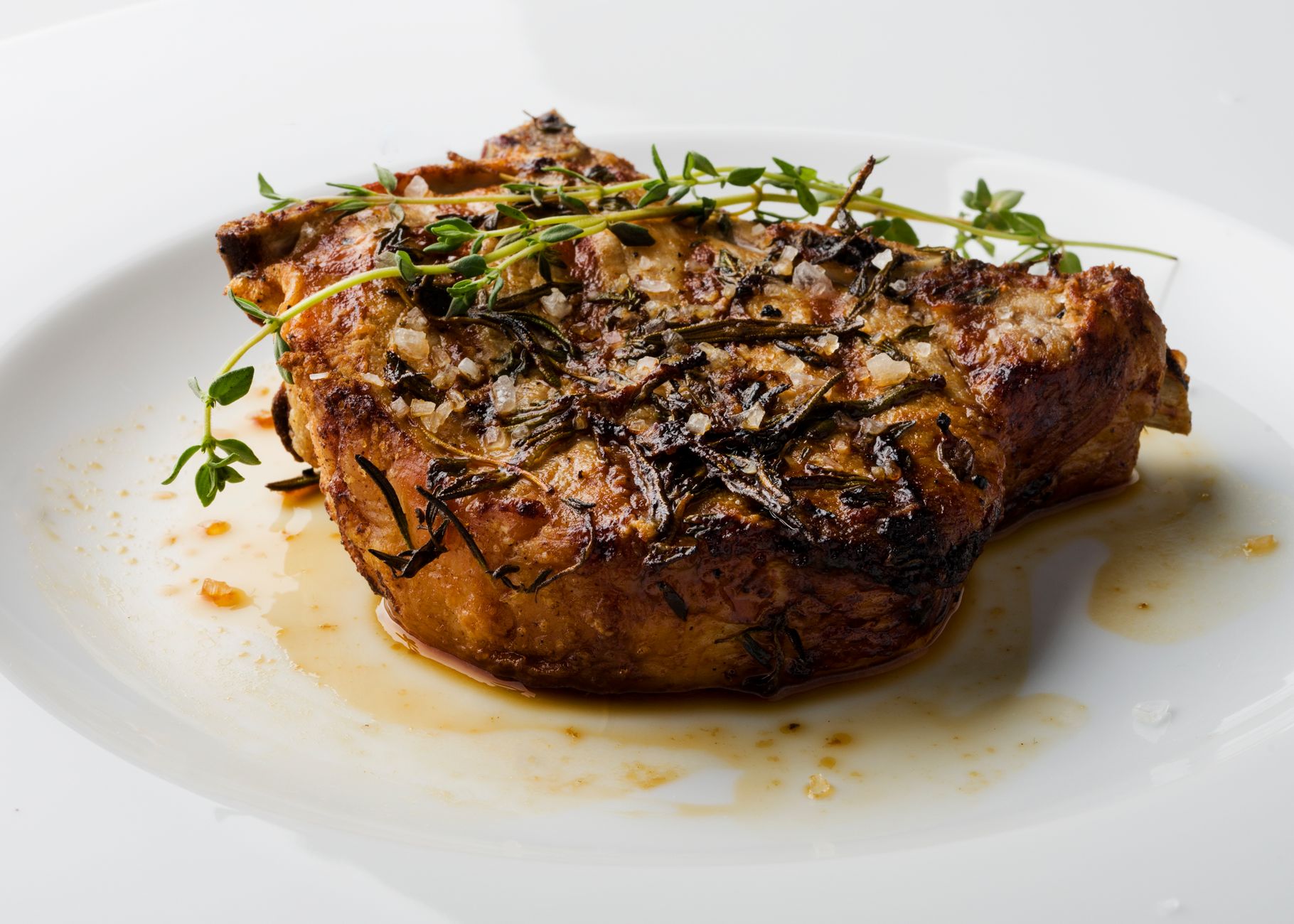
The pork chop on your plate is having a moment. Once a humble, perhaps even overlooked, weeknight staple, it is now the subject of intense culinary and scientific fascination. The world of pork is undergoing a quiet but dramatic revolution, driven not by a celebrity chef or a new cooking technique, but by something far smaller and more mysterious: the intricate world of microbes living in the animal's gut.
New research is revealing that the ultimate quality, flavor, and even the nutritional profile of pork may be determined by a complex biological conversation between the pig's genes and its gut microbiome. This isn't just about what the animal eats. It's about how its body, guided by its DNA, cultivates and interacts with a specific community of bacteria. The findings are poised to reshape everything from animal husbandry to the way we think about the meat we consume.
According to a landmark study published in the journal Functional & Integrative Genomics, the genetic makeup of a pig has a profound influence on which microbes can thrive in its digestive system. This, in turn, influences critical aspects of the pig's biology, such as how it metabolizes fat and regulates its immune system. For the consumer, this translates directly to the eating experience: the texture, the marbling, and the subtle notes of flavor that distinguish a premium pork chop from a standard one.
For years, the formula for high-quality pork seemed relatively straightforward: good breeding, good feed, and a low-stress environment. But producers and scientists noticed inconsistencies. Animals from the same genetic lines, raised on the identical diet, would often yield meat of varying quality.
This puzzle led researchers to look for a hidden variable, a factor that could explain these differences. The answer, it turns out, was hiding in plain sight, within the pig's own digestive tract.
The research team, in a comprehensive study involving 72 Large White pigs, a breed prized in the pork industry, took an unprecedented look into this biological black box. They didn't just analyze the pigs' DNA. They also mapped the microbial communities in their gut and analyzed gene expression in key tissues: the brain, liver, and muscle. This multi-omics approach, like cross-referencing three different sets of blueprints, allowed them to connect the dots between the host's genetics, its internal microbial world, and the resulting physiological traits.
What they found was a revelation. Specific genes in the pigs acted as master regulators, creating an environment that favored certain types of bacteria. In essence, the pig's DNA was rolling out a welcome mat for a select group of microbial guests.
These weren't random bacteria, but key players known to influence health and metabolism. The study identified several bacterial genera of particular importance: Oscillospira, Roseburia, and Anaerostipes, among others. These microbes are not just passive residents; they are active participants in the pig's life.
These bacteria are essentially tiny biological factories. They break down complex fibers from the pig's diet into beneficial compounds like short-chain fatty acids (SCFAs). These compounds are a critical energy source for the pig and play a vital role in maintaining gut health. More importantly, they send signals throughout the body, influencing processes far beyond the gut itself.
One of the most compelling findings from the study revolves around lipid metabolism. The way an animal stores and processes fat is the single most important factor in the flavor and texture of its meat. The intramuscular fat, known as marbling, is what gives a pork chop its succulence and depth of flavor. The researchers discovered that the presence of specific gut microbes was directly linked to the activity of genes responsible for how the pig handles fat.
Genes like ZDHHC2 and TMEM69, which were highlighted in the Functional & Integrative Genomics paper, are involved in lipid metabolism and immune function. The study showed that the expression of these genes in the liver and muscle tissue was significantly associated with the abundance of certain bacteria. For example, a higher population of a genus like Roseburia, which is a known producer of the SCFA butyrate, could lead to a different expression of fat-metabolizing genes. This could result in a pig that is genetically predisposed to develop more intricate marbling.
This genetically-mediated relationship explains why two pigs can have vastly different meat quality even on the same diet. One pig's genetic code fosters a microbial community that excels at producing compounds that signal the body to create more marbling. The other pig's genetics may cultivate a different set of microbes, leading to a leaner outcome. This moves the conversation beyond simple "genetics" and into the realm of "functional genetics", where the DNA's interaction with the microbiome is the true driver of the final product.
The implications for the food industry are enormous. Pork producers could potentially move from breeding for general traits to breeding for a specific gut-microbe-welcoming genetic profile. It opens the door to a future where pigs are selected not just for their growth rate, but for their innate ability to partner with beneficial microbes that naturally enhance the quality and flavor of their meat. This represents a more holistic and potentially more sustainable approach to animal agriculture, one that works with an animal's natural biology rather than against it.
Perhaps the most fascinating aspect of the research is the light it shines on the gut-brain axis in pigs. The connection between the gut and the brain is a hot topic in human health, linked to everything from mood to cognitive function. The new study confirms that this axis is just as critical in livestock, with direct consequences for the food on our tables.
Sources and methodology
Reported from primary records. Open any source to verify a claim.