Portuguese Chefs Remix Traditional Staples To Drive Culinary Tourism Boom
Portuguese chefs are modernizing heritage seafood and regional recipes to create one of Europe's most dynamic restaurant markets.
By Foodie Pundit Newsroom - Published - Updated - Section: Restaurants
Key points
- Contemporary Portuguese chefs are combining heritage ingredients like salt cod with modern global techniques.
- Foreign investment and rising international tourism are funding ambitious new restaurant concepts across Lisbon and Porto.
- Industry leaders are balancing high-end culinary innovation with efforts to protect historic neighborhood taverns.
The culinary landscape across Portugal is undergoing a dramatic transformation as a new generation of chefs reimagines the nation's deeply rooted dining traditions. For decades, Portuguese gastronomy was largely defined by rustic seafood dishes, simple grilled meats, and century-old baking customs that varied little from region to region. Today, progressive kitchens in Lisbon, Porto, and coastal dining hubs are pushing boundaries while preserving the foundational ingredients that make the country's food unique.
Recent reporting by the Houston Chronicle highlights how contemporary culinary directors are abandoning rigid rules to craft modern tasting menus. Diners visiting major urban centers now encounter refined interpretations of classic comfort foods, elevated by global techniques and innovative presentation styles. This shift reflects a broader economic evolution within the southern European hospitality sector, where international tourism and rising local standards are fueling creative investment.
HISTORIC FOUNDATIONS MEET MODERN TECHNIQUE
Traditional Portuguese cuisine relies heavily on salt cod, known locally as bacalhau, alongside canned seafood, olive oil, garlic, and fresh herbs. Historically, these humble staples sustained communities through lean economic times and defined the home-cooking ethos of the nation. Modern culinary leaders are not discarding these heritage elements, but rather using them as a launching pad for sophisticated flavor profiles and complex textures.
Chefs are now utilizing precise temperature control, fermentation, and artistic plating to transform dishes that were once considered basic tavern fare. Slow-cooked seafood broths are being refined into intense reductions, while traditional preserved fish is featured in avant-garde starter courses. By marrying heritage flavors with international culinary methods, these kitchens are proving that traditional ingredients can hold their own on the global fine-dining stage.
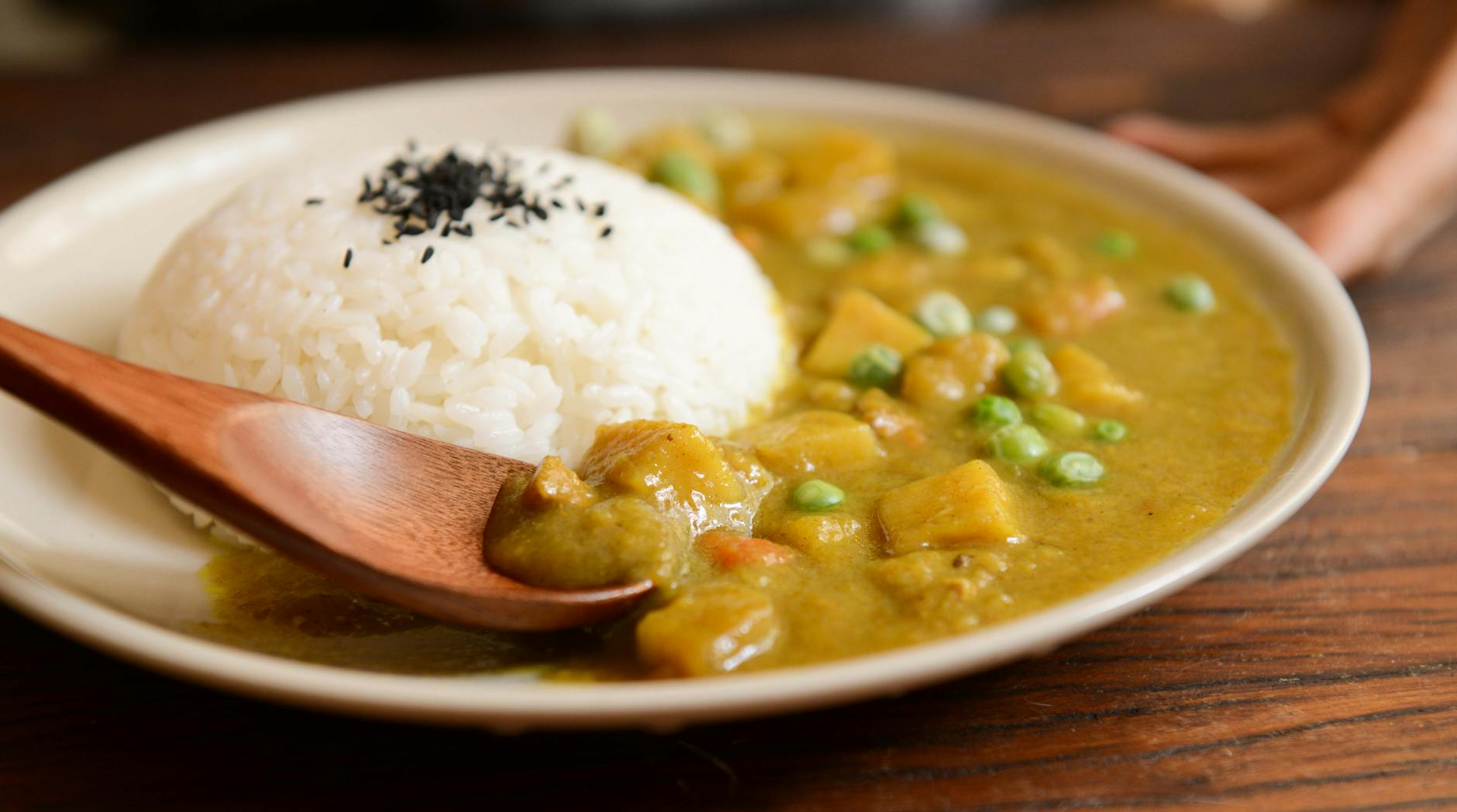
The current movement is also heavily influenced by Portugal's historical trade routes and its dynamic immigrant communities. Ingredients from Brazil, Angola, Mozambique, and Goa are finding their way into contemporary restaurant kitchens with greater frequency and nuance. Spices such as piri piri peppers, coconut milk, and fragrant curry blends are being integrated into classic Iberian bases, creating a multi-layered dining experience that honors the nation's complex history.
This cross-cultural integration is attracting significant attention from international food critics and culinary travelers alike. Restaurant groups are capitalizing on this momentum by opening specialized dining venues that showcase these global connections. Industry analysts note that this thematic shift has helped diversify the market, moving the narrative away from simple beachside dining toward a sophisticated, multi-faceted gastronomic destination.
ECONOMIC DRIVERS BEHIND THE KITCHEN REVOLUTION
The commercial growth of Portugal's restaurant sector is tightly linked to a post-pandemic surge in international travel and real estate investment. Major foreign capital has flowed into urban hospitality projects, bringing increased funding for high-concept restaurant spaces and top-tier kitchen equipment. Local talent, many of whom trained in Michelin-starred establishments across western Europe, are returning home to launch their own ambitious ventures.
Additionally, local agricultural suppliers and boutique winemakers are benefiting from this high-end culinary boom. Modern chefs are forming direct partnerships with regional farmers, sustainable fisheries, and natural vineyard operators to secure premium ingredients. This hyper-local supply chain reinforces the authenticity of the menus while keeping capital circulating within regional economies, creating a resilient foundation for long-term growth.
Despite the widespread acclaim, the rapid modernization of the food scene presents distinct challenges for traditional operators. Rising commercial rents in central Lisbon and Porto have forced some long-standing neighborhood taverns, known as tascas, to close or relocate to peripheral districts. Industry observers worry that over-commercialization could erode the everyday food culture that originally gave the country its culinary charm.
To counter this trend, several municipalities are exploring cultural heritage protections for legacy dining institutions. Meanwhile, forward-thinking chefs are actively seeking a balance between innovation and preservation by maintaining accessible price points and highlighting regional folklore in their menu concepts. The ongoing dialogue between legacy operators and modern innovators remains a central theme in the nation's evolving food discourse.
As foreign visitors continue to flock to the Iberian Peninsula, Portugal is well-positioned to cement its status as a top-tier European food capital. The blend of high-end tasting counters, creative wine bars, and updated neighborhood eateries offers a diverse array of experiences for every type of diner. Restaurant investors remain optimistic about the market, pointing to strong bookings and sustained international interest as indicators of lasting strength.
The ongoing transformation demonstrates that traditional culinary identities do not have to remain static to survive in a globalized economy. By honoring foundational ingredients while welcoming external techniques and ideas, Portuguese chefs are establishing a dynamic blueprint for cultural preservation through culinary innovation. The movement serves as a compelling case study for other historic European markets navigating modern consumer expectations.
For travelers and food enthusiasts planning a trip to Europe, Portugal offers an increasingly dynamic dining environment that goes far beyond standard tourist fare. Expect to encounter high-level culinary creativity at price points that often remain more accessible than those found in neighboring France or Spain.
Diners should consider booking reservations well in advance for high-profile tasting rooms in Lisbon and Porto, while leaving space on their itineraries to explore traditional tascas. Supporting both modern concepts and historic neighborhood venues helps maintain the vital balance that keeps this unique food culture thriving.
Sources and methodology
Reported from the public datasets below.
More from the Foodie Pundit Newsroom
- Portugal Fine Dining Footprint Expands as Michelin Awards Broaden Beyond Urban Centers
- Inside the Commercial Pivot of Borough Market From Freight Hub to Global Culinary Destination
- General Mills Posts Strong Quarterly Gains Behind Cereal and Snack Category Resilience
- Grocery Bills Keep Creeping Up as Store Brands Take Over the Aisles
- A Mystery Restaurant Is Coming To Orlando. Soon.